A Day in the Life of an Event Planner: Balancing Creativity and Logistics
Event management is more than just organizing timelines and booking vendors, it’s about bringing ideas to life in a way that feels seamless for everyone involved. Behind every successful event is a careful balance between imagination and execution, where creative concepts meet structured planning. Whether you're producing a corporate gathering, campus program, or large-scale celebration, the ability to align vision with logistics is what ultimately determines the outcome.
In this article, we’ll break down how creativity and logistics work together within event management, why both are essential, and how striking the right balance leads to experiences that are not only engaging but also flawlessly executed.
Balancing Creativity and Logistics
What Does Creativity Look Like in Event Planning?
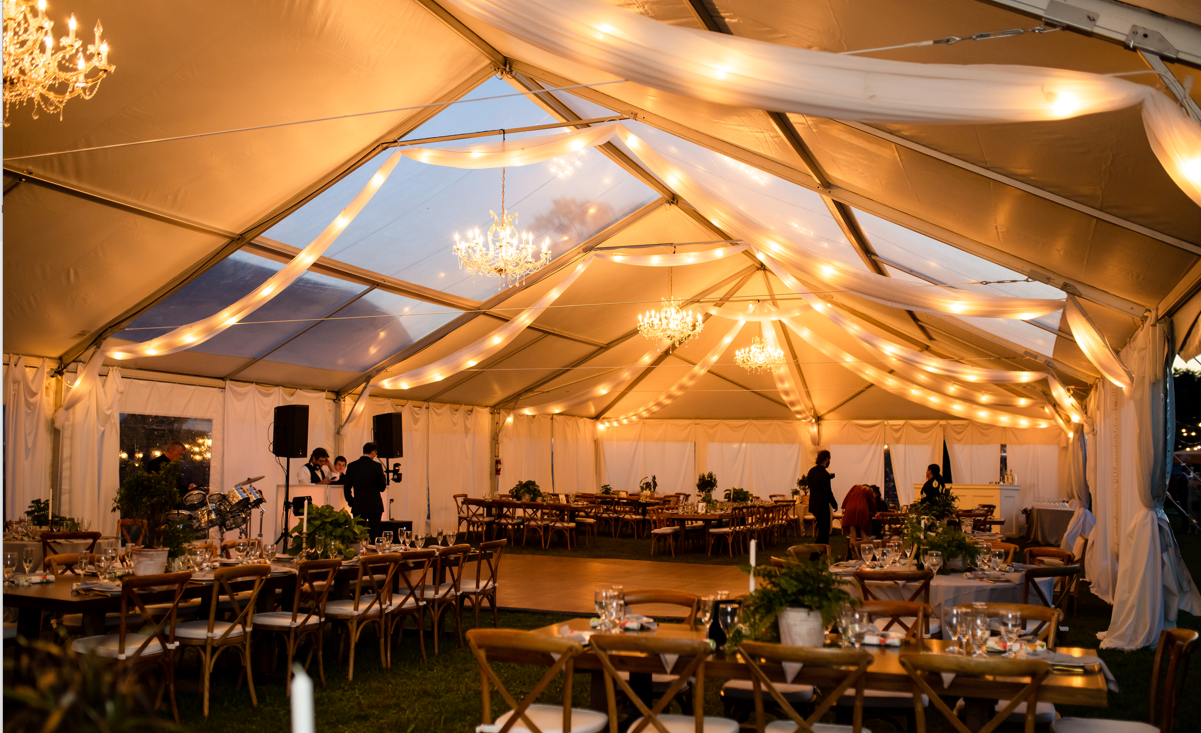
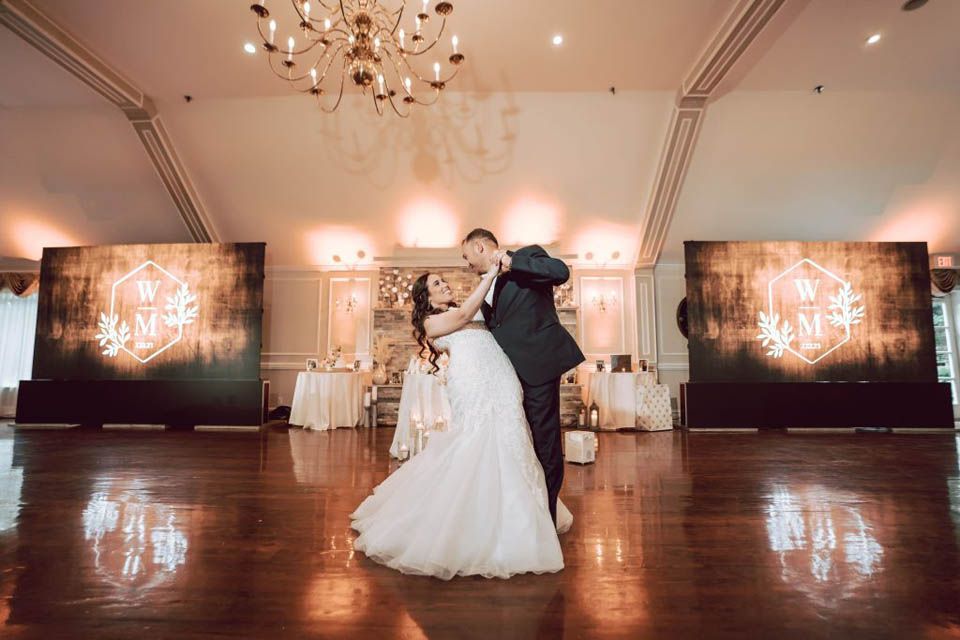
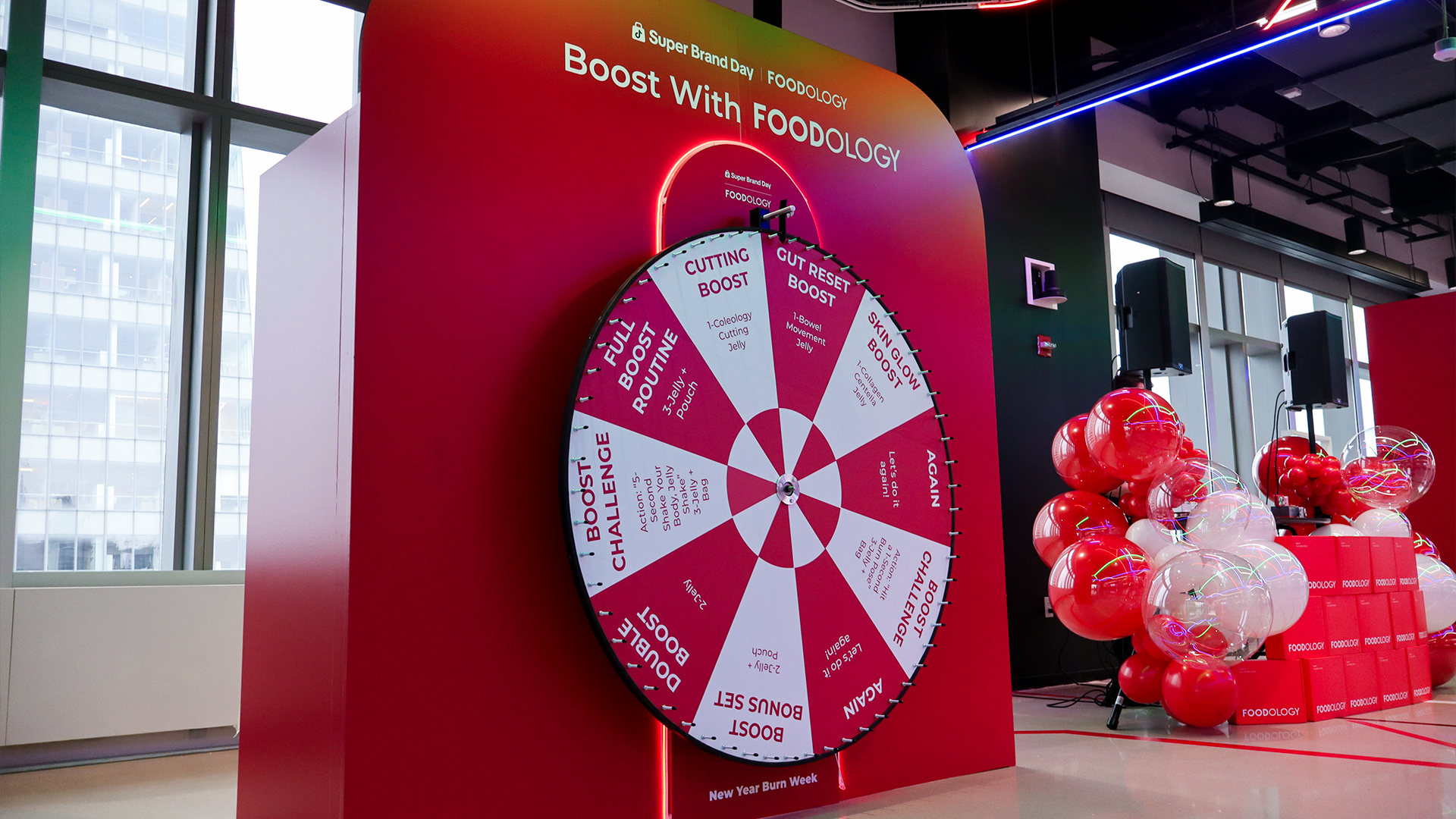
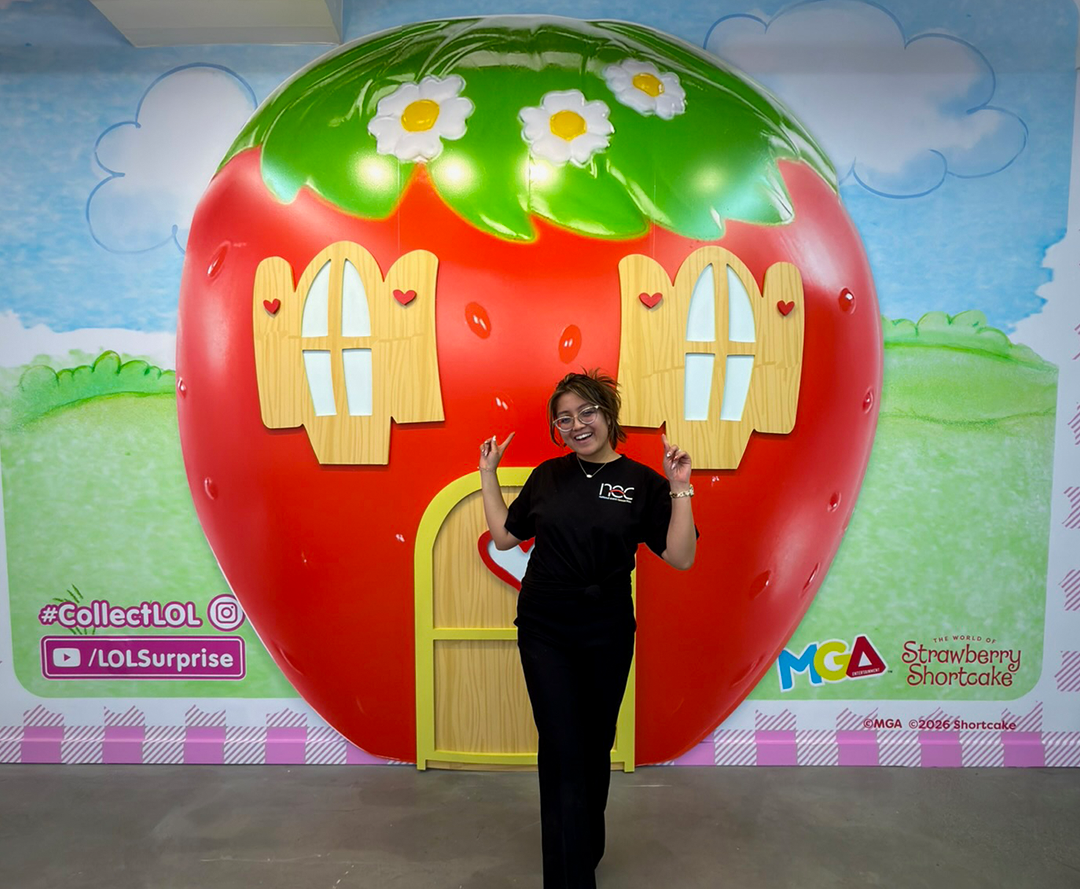
Creativity in event planning is what transforms a gathering into a unique experience tailored to the purpose and audience. It involves crafting elements that evoke emotion and engagement, shaping the event's overall atmosphere. This could mean developing a distinctive theme, selecting visually striking decor, or designing interactive entertainment that captivates attendees. Creativity allows planners to incorporate details that leave a lasting impression, whether it's through imaginative installations, curated playlists, or unexpected touches that surprise and delight.
Understanding the client's vision is a fundamental part of the creative process. Event planners should work closely with clients to identify their goals and preferences, ensuring the creative elements reflect their ideas while also resonating with the audience. Whether the event is formal, festive, or casual, the creative choices should align with its intended purpose. Colors, materials, lighting, and even seating arrangements play an important role in setting the tone.
To foster creativity, event planners can draw inspiration from various sources, such as current trends, cultural themes, or even personal experiences. By staying open to new ideas and experimenting with different approaches, they can develop unique concepts that set their events apart. Creativity doesn't always require extravagant measures, it’s often the thoughtful and innovative details that make the biggest impact.
What are the Key Logistics Behind Successful Event Planning?
Logistics in event planning focuses on the operational details that ensure everything runs efficiently and according to plan. These elements are not always visible to attendees but are critical for the event’s success. Key aspects of logistics include creating comprehensive schedules, managing budgets, coordinating with vendors, and securing permits. From arranging transportation and ensuring equipment is delivered on time to troubleshooting technical setups like sound systems and lighting, logistics encompass all the moving parts that bring an event to life.
Attention to detail is essential when managing logistics. A well-organized timeline keeps every task on track, preventing delays that could disrupt the event. Budget management ensures all resources are allocated effectively, allowing for creative elements to be executed without overspending. Communication is another cornerstone of effective logistics, as planners need to maintain clear and ongoing discussions with vendors and suppliers to avoid missteps or misunderstandings.
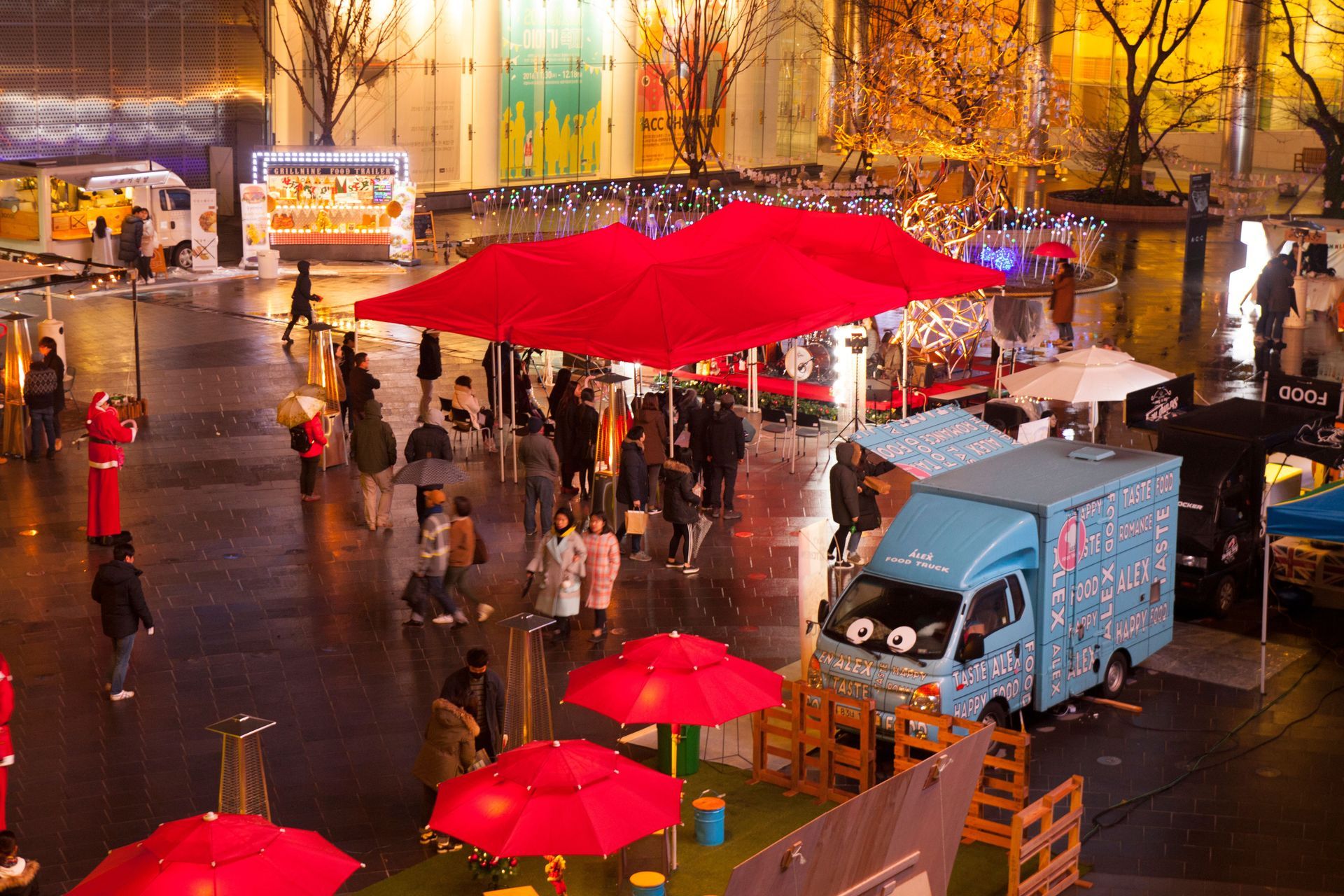
Another important aspect is risk management and contingency planning. Events can face unexpected challenges such as weather disruptions, last-minute cancellations, or technical malfunctions. Anticipating potential issues and having backup plans in place minimizes their impact and keeps the event running smoothly. For example, reserving an alternate indoor venue in case of rain or having extra equipment on hand can save valuable time and resources.
Technology is an increasingly vital part of logistics in event management. Using tools like project management software or event planning platforms streamlines coordination, ensuring that tasks and timelines are easily tracked and adjusted as needed. Leveraging these tools helps event planners stay organized, especially when managing large or complex events.
What Strategies Help Balance Creativity and Logistics in Event Planning?
Finding the right balance between creativity and logistics requires a proactive approach that fosters collaboration and clarity. Start by ensuring that all stakeholders, designers, coordinators, and vendors, have a shared understanding of the event’s objectives. This alignment helps teams stay focused on the event’s purpose while working within practical boundaries.
One effective strategy is creating a detailed plan that outlines creative ideas alongside logistical requirements. For instance, if you’re planning an elaborate lighting display, consider the power sources, wiring setup, and safety regulations during the concept phase. By addressing these details early, you can avoid conflicts between your vision and the realities of execution.
Breaking tasks into smaller, manageable steps can also streamline the integration of creativity and logistics. Use tools like checklists or planning software to allocate responsibilities clearly and track progress. Having milestones ensures both teams remain on the same page, reducing the risk of miscommunication or overlooked details.
It’s also helpful to allocate time for brainstorming within the constraints of a realistic timeline. Encourage creative thinkers to present multiple options, allowing for flexibility when logistical challenges arise. This way, adjustments can be made without compromising the event’s core vision.
Budget transparency is another important factor. Sharing cost breakdowns with creative teams allows them to develop innovative solutions within the set financial limits. Open discussions about what is feasible encourage smarter choices without stifling creativity.
Finally, consider implementing regular check-ins to review progress. These meetings provide opportunities to address potential roadblocks, assess how well creative and logistical elements are integrating, and make any necessary adjustments. This ongoing communication ensures that all aspects of the event move forward in unison, keeping the planning process as efficient and cohesive as possible.
What Challenges Do Event Planners Face When Balancing Creativity and Logistics?
Balancing creativity and logistics in event planning can be demanding, as the two often pull planners in different directions. One of the most frequent challenges is managing budget limitations. While creative concepts can elevate an event, they must fit within financial boundaries. Planners may face tough decisions, such as modifying or scaling back ideas to ensure affordability without compromising quality. This requires a careful evaluation of priorities and a willingness to explore alternative approaches that align with the budget.
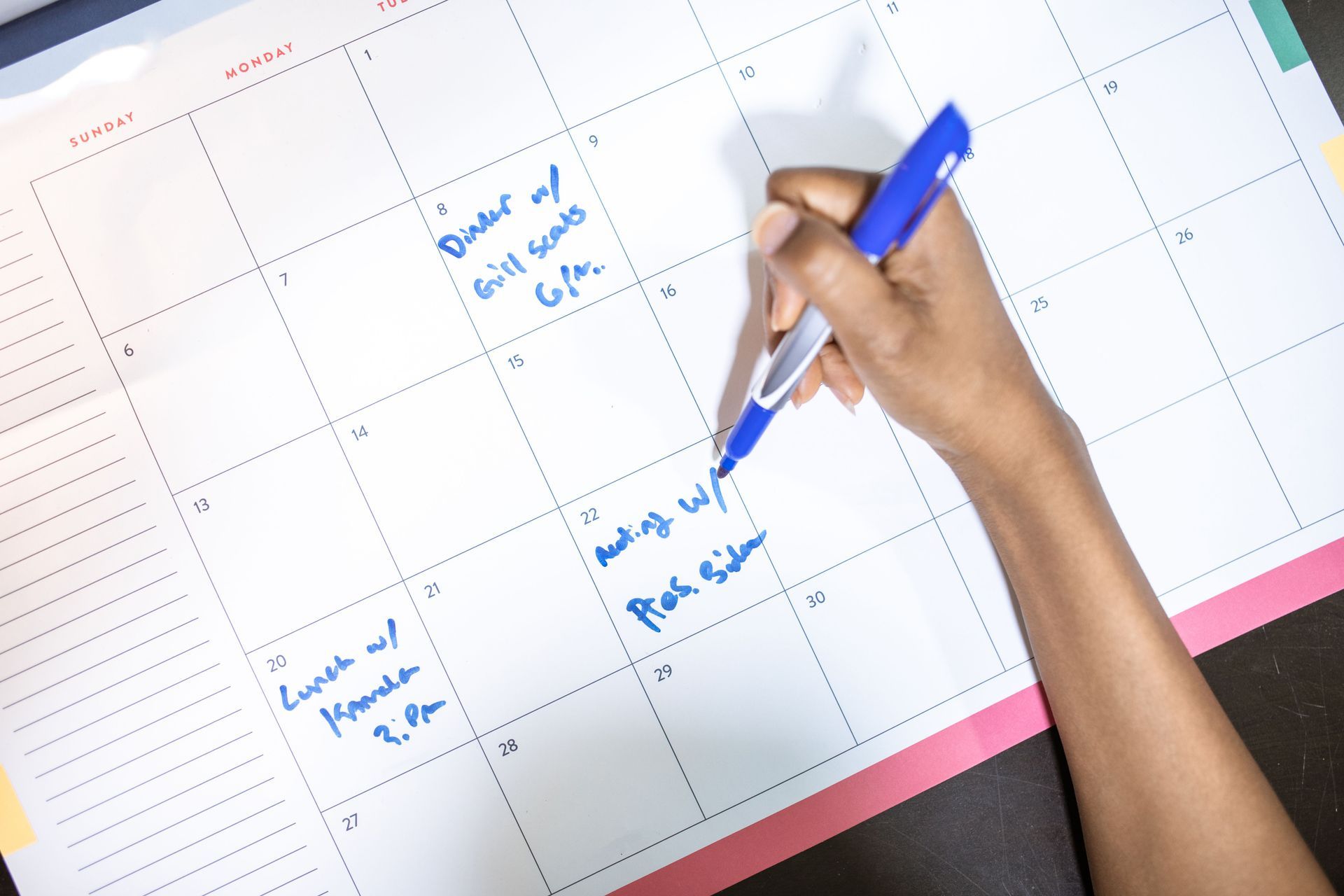
Time constraints also pose difficulties when integrating creative and logistical elements. Tight deadlines can limit the ability to fully develop and execute creative ideas while ensuring logistical precision. In these situations, clear timelines and prioritization become critical. Setting realistic expectations for what can be achieved within the given timeframe helps to reduce stress and maintain focus on essential tasks.
Another challenge is coordinating diverse teams with different expertise and priorities. Creative professionals may focus on pushing boundaries, while logistical teams aim to ensure efficiency and practicality. Bridging this gap involves fostering open communication and mutual understanding. Establishing shared goals and maintaining regular check-ins can help align these perspectives and create a collaborative environment.
Unforeseen issues, such as last-minute vendor changes or technical malfunctions, can disrupt plans and require immediate adjustments. These unexpected events test a planner’s ability to think on their feet and find solutions that accommodate both creative and logistical needs. Flexibility and preparedness, including having contingency plans, are key to navigating such disruptions effectively.
Successfully addressing these challenges requires adaptability, problem-solving skills, and a proactive mindset. By approaching the planning process with these qualities, event planners can work through conflicts and ensure the event remains cohesive and well-executed, no matter the obstacles.
What can NEC do?
Balancing creativity and logistics in event planning requires thoughtful coordination and flexibility. Rather than choosing one over the other, successful events are created when innovative ideas are supported by strong organization and clear communication. When creative teams and logistical planners collaborate effectively, they can bring unique concepts to life while ensuring every detail runs smoothly.
When these two elements work together, the result is an event that not only meets its goals but also leaves a lasting impression on attendees. Taking time to evaluate your planning process, stay adaptable, and refine your approach can help create a more efficient workflow and stronger overall event experience.
If you're planning your next event and looking for ways to combine creativity with seamless execution, the team at National Event Connection is here to help. Reach out today to start planning an event experience that is both engaging and well-executed.
Enjoyed this article? Discover more on our Event Production Blog.