What Goes Into Building a Brand Activation
Brand activations don't happen by accident. Behind every immersive booth, pop-up experience, or trade show showstopper is a coordinated effort involving custom fabrication, careful planning, and a production timeline that leaves no room for guesswork. If you're considering a brand activation for your next event, understanding what actually goes into building one will help you plan smarter, budget realistically, and partner with the right team.
What Is a Brand Activation, Exactly?
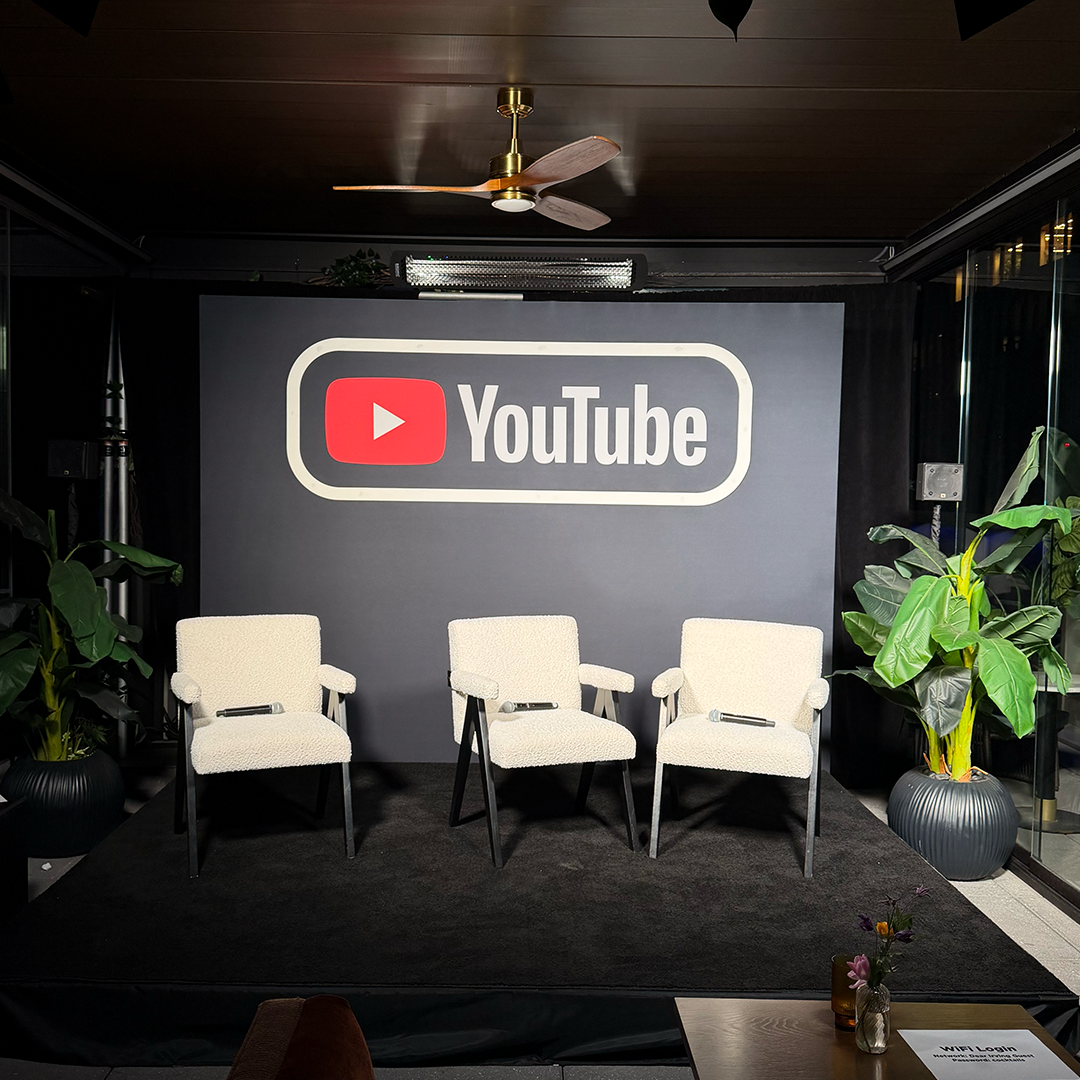
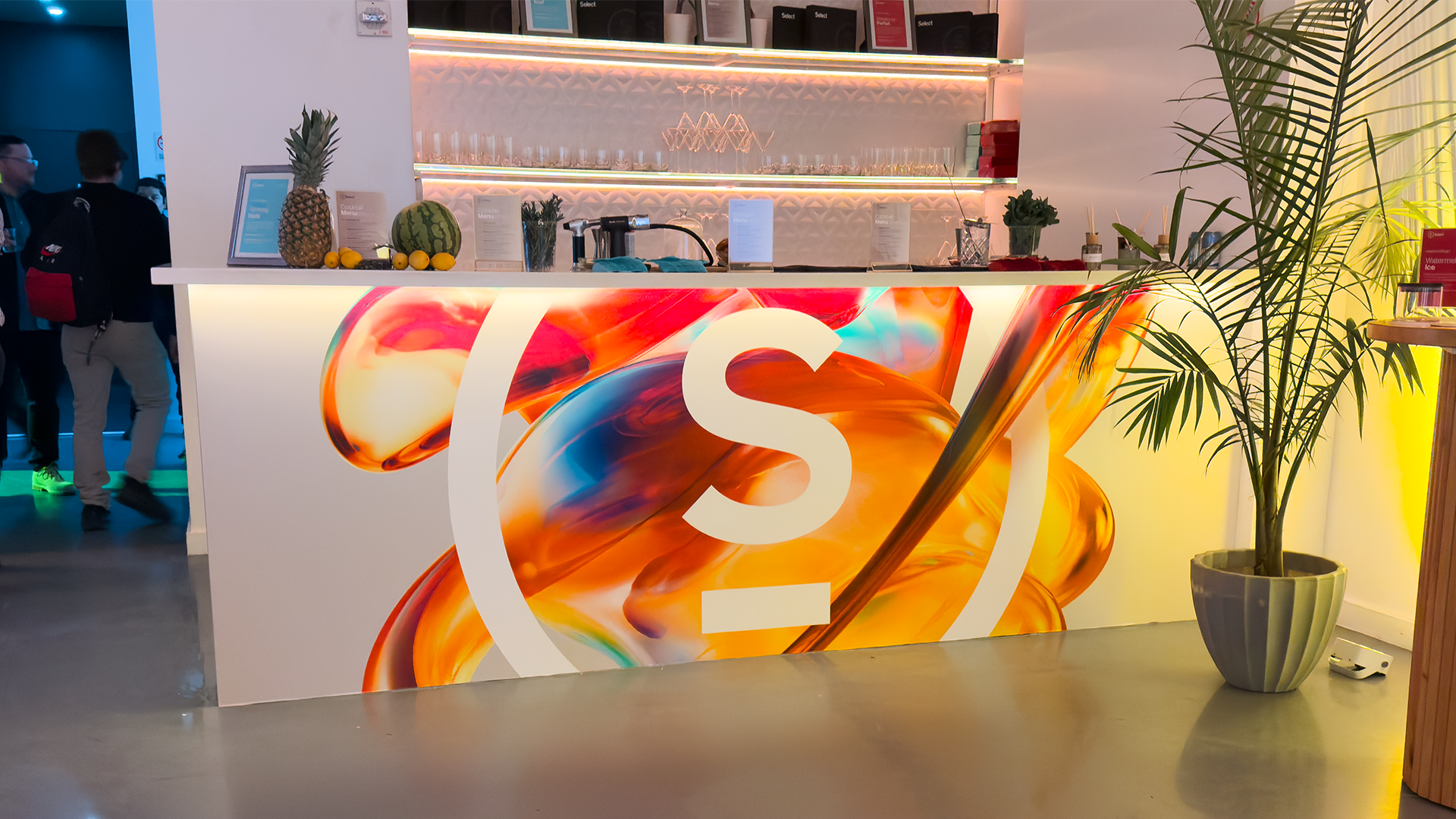
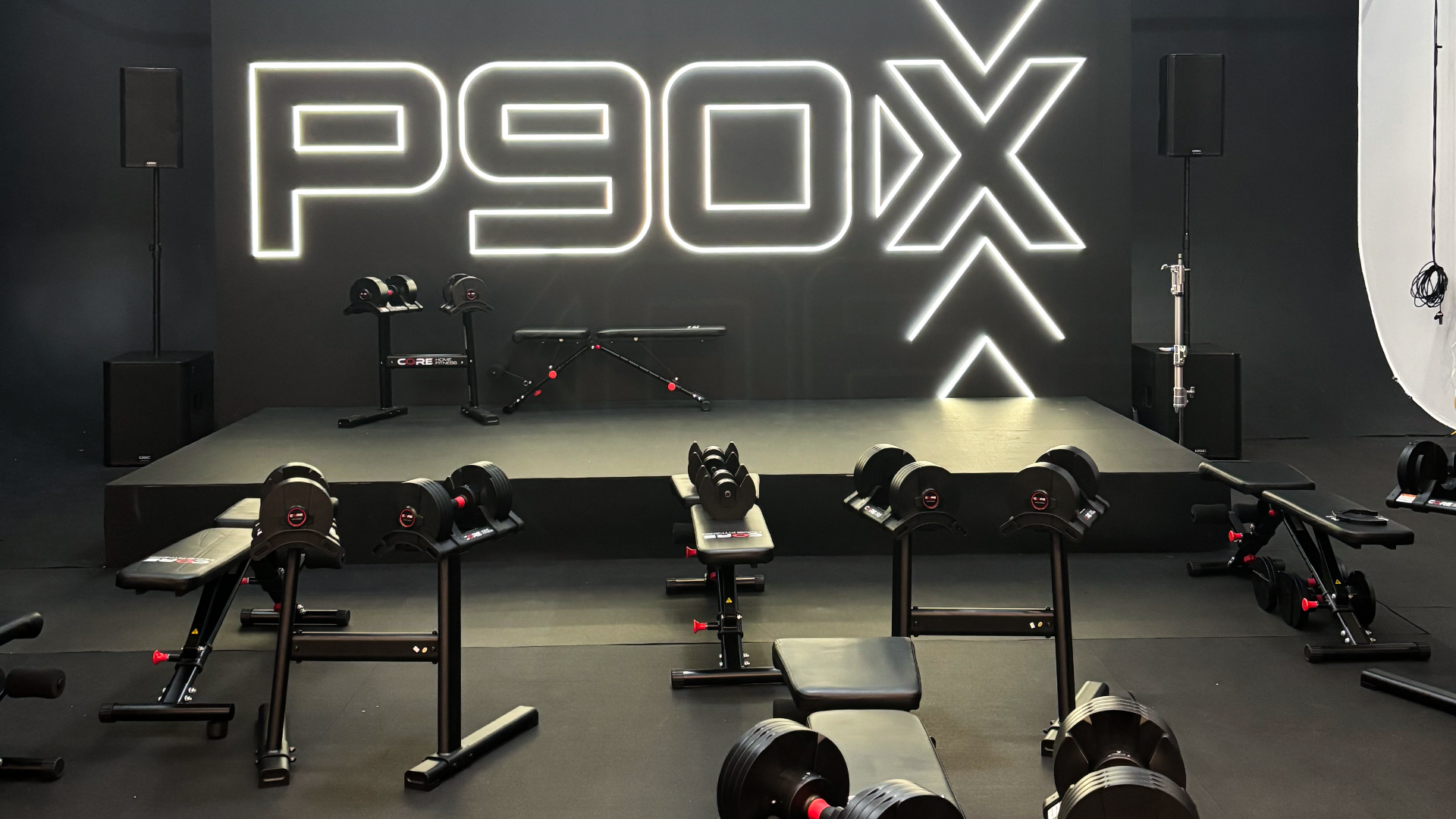
A brand activation is any experiential marketing effort designed to create a direct, memorable interaction between a brand and its audience. Unlike traditional advertising, activations invite people to engage, through interactive displays, custom-built environments, product demos, or immersive installations. Whether it's a festival footprint, a retail pop-up, or a trade show exhibit, the goal is the same: turn passive viewers into active participants.
But none of that happens without solid fabrication work behind the scenes.
The Materials: Where Every Brand Activation Begins
Fabrication is the backbone of any successful brand activation. This is the process of designing and building the physical structures, displays, and props that bring a concept to life. The materials chosen at this stage affect everything downstream, durability, cost, transportability, and visual impact.
Common materials used in brand activation fabrication include:
- Wood and MDF – Ideal for custom structures, furniture pieces, and framing that need a solid, paintable surface.
- Aluminum and steel framing – Used for load-bearing structures, modular booths, and anything that needs to be reused across multiple events.
- Acrylic and PVC – Popular for signage, light boxes, and sleek modern finishes.
- Foam board and PVC panels – Lightweight options for large-scale graphics and temporary set pieces.
- Fabric and tension fabric systems – Great for backdrops, ceiling treatments, and portable branded environments.
- LED and lighting components – Increasingly central to activations that rely on visual drama or interactivity.
The right fabrication partner will help you choose materials based on your event's environment (indoor vs. outdoor), how often the activation will be reused, your budget, and the overall design vision. A well-fabricated brand activation isn't just visually striking , it's built to hold up under real-world event conditions, from crowded convention floors to outdoor festival weather.
The Timeline: How Long Does It Really Take?
One of the most common questions we get is, "How far in advance do we need to start?" The honest answer: earlier than you think. A rushed fabrication timeline almost always shows in the final product.
Here's a general framework for how a brand activation timeline typically breaks down:
8–12 Weeks Out: Concept and Design This is where the vision takes shape. Your team works with designers to define the activation's goals, layout, and look. Renderings and material specs are finalized here, and this is also when fabrication planning begins in earnest.
6–8 Weeks Out: Fabrication Begins Once designs are locked, the fabrication team starts building. This includes cutting and assembling structural elements, printing graphics, sourcing hardware, and beginning any custom carpentry or metalwork. This phase often takes the longest because quality fabrication simply cannot be rushed.
3–4 Weeks Out: Quality Checks and Dry Fit Before anything ships, a proper build should go through a test assembly, sometimes called a "dry fit." This catches structural issues, sizing errors, or finish problems before they become a costly surprise on-site.
1–2 Weeks Out: Logistics and Packing Crating, labeling, and shipping logistics are finalized. For activations traveling to multiple markets or events, this stage is critical to avoiding damage in transit.
Event Week: Installation and Strike The final structure is delivered, installed, and inspected on-site. A good production team will also plan for strike (breakdown) and storage or return logistics after the event wraps.
If your timeline is compressed, it's not impossible to still create a strong brand activation, but it usually means fewer custom fabrication elements and more reliance on modular, rental-based components.
The Process: How It All Comes Together
A successful brand activation build follows a structured process that keeps design, fabrication, and logistics aligned from day one.
1. Discovery and Strategy Every activation starts with understanding the brand's goals. What's the message? Who's the audience? What action do you want people to take after engaging with it?
2. Design and Rendering Concepts are translated into 2D and 3D renderings so stakeholders can visualize the final product before a single material is cut.
3. Fabrication Planning This is where materials are sourced, vendors are confirmed, and the build is broken into manageable production stages. Experienced fabrication teams also plan for contingencies, backup materials, extra hardware, and buffer time.
4. Building and Assembly Skilled fabricators bring the design to life, whether that means custom woodworking, metal fabrication, digital printing, or electrical integration for lighting and interactive elements.
5. Quality Control Every activation should be inspected for structural integrity, finish quality, and functionality before it ever reaches the event site.
6. Installation and On-Site Support The activation is delivered and assembled on location, often with a production team on standby to handle any last-minute adjustments.
7. Strike and Storage Post-event, the structure is disassembled and either stored for reuse or properly disposed of, depending on the client's plans for future events.
Why Fabrication Quality Makes or Breaks a Brand Activation
It's tempting to focus on the flashy final result, the Instagram-worthy backdrop or the interactive touchscreen wall, but none of that matters if the underlying fabrication is weak. Poor materials or rushed construction lead to activations that look great in renderings but fall apart (sometimes literally) under real event conditions.
Working with a team that understands both the creative and technical sides of fabrication ensures your brand activation isn't just eye-catching on day one, but durable enough to represent your brand well across multiple events and markets.
Partner With Experts Who Understand the Full Process
Building a brand activation is a genuine production effort involving design, engineering, fabrication, and logistics all working in sync. At National Event Connection, we manage every stage of that process, from initial concept through final strike, so your brand activation is built right, on time, and ready to make an impact.
If you're planning your next event and want a brand activation that's as functional as it is memorable, our team is ready to help you plan the materials, timeline, and fabrication process from the ground up. Contact us today!
Enjoyed this article? Discover more on our Event Production Blog.