How to Master Event Planning with Proven NYC Event Management Tips
Event Management
Event management blends creativity, organization, and problem-solving to create seamless experiences for clients and attendees. At its core, it involves balancing multiple components, from logistical planning to vendor coordination, all while maintaining a clear focus on the event’s purpose. Successful planners rely on proactive strategies, attention to detail, and adaptability to handle the diverse needs of each event. NYC, as a vibrant hub, offers endless opportunities but also unique challenges, requiring planners to stay informed about the latest industry trends and local regulations. Each decision, no matter how small, contributes to the overall success and impact of the event.
Understanding Client Needs
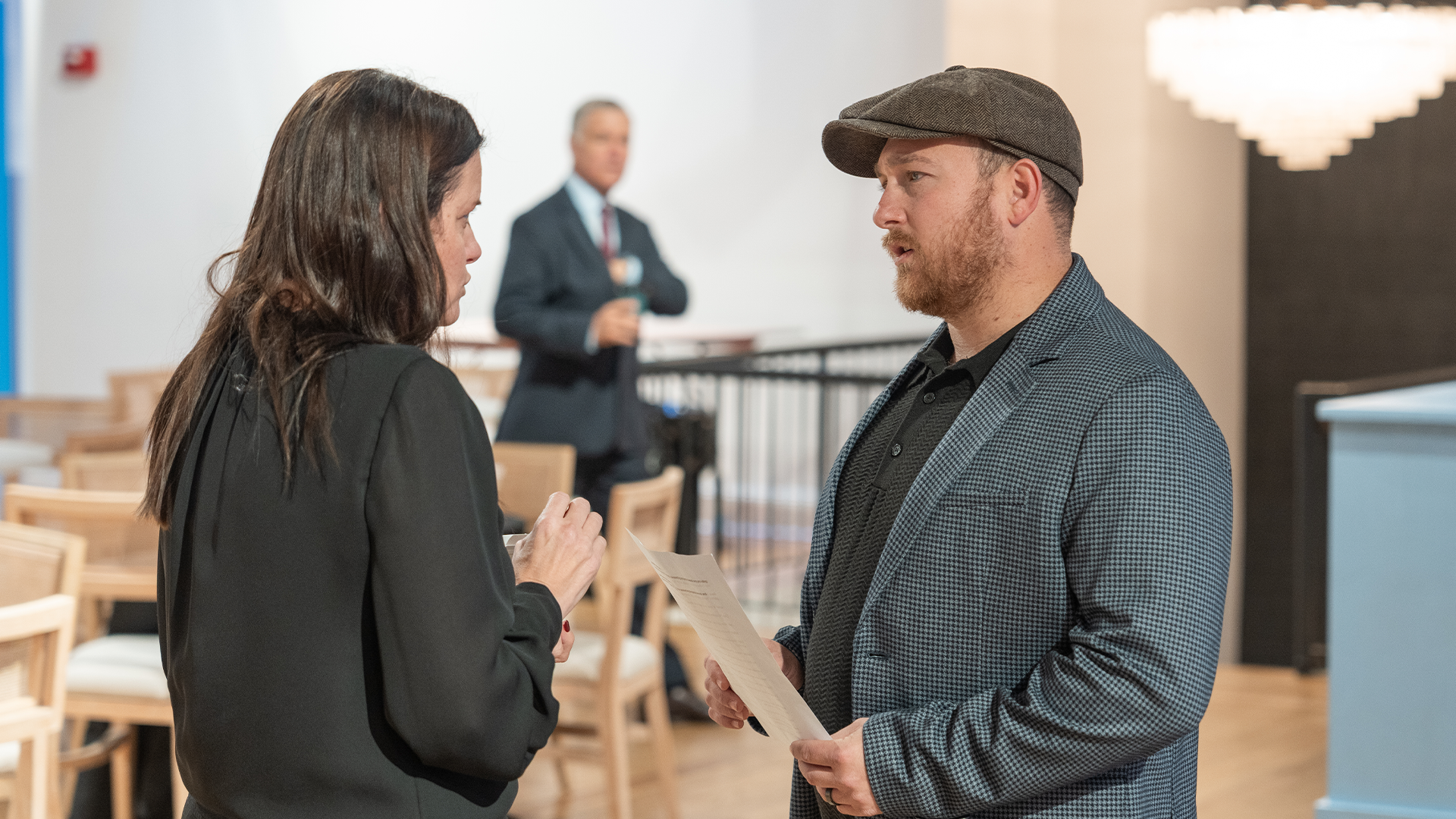
Effective event planning starts with truly grasping what the client envisions. Begin by hosting in-depth discussions to explore their objectives, preferred style, and any specific priorities they have in mind. Use open-ended questions to encourage detailed responses, allowing you to capture a full picture of their expectations. Pay close attention to the details they share, as these often influence the event’s tone and design. Keep clear and consistent communication throughout the planning process to ensure alignment. Creating a detailed client profile or event brief can serve as a valuable reference for both parties, helping to avoid misunderstandings.
Additionally, remain flexible and open to feedback, as adjustments may arise as the planning progresses. Prioritizing the client’s needs ensures that their vision is at the center of every decision, fostering trust and delivering a highly personalized experience.
Budget Planning and Management
Creating and managing a budget effectively is one of the most critical responsibilities in event planning. Begin by categorizing expenses, such as venue costs, catering, entertainment, décor, and contingency funds for unexpected needs. Prioritize essential elements while remaining mindful of areas where costs can be optimized. Leverage tools like budgeting software or spreadsheets to monitor expenses and ensure every dollar is accounted for. Regularly review and update the budget throughout the planning process to avoid surprises. Communicate with vendors early to get clear pricing and identify potential cost-saving opportunities, such as package deals or early booking discounts. Keep an organized record of all invoices and receipts to stay financially transparent and prepared. Adopting a proactive approach to budgeting allows planners to maintain financial control while delivering a successful, high-quality event.
Venue Selection and Setup
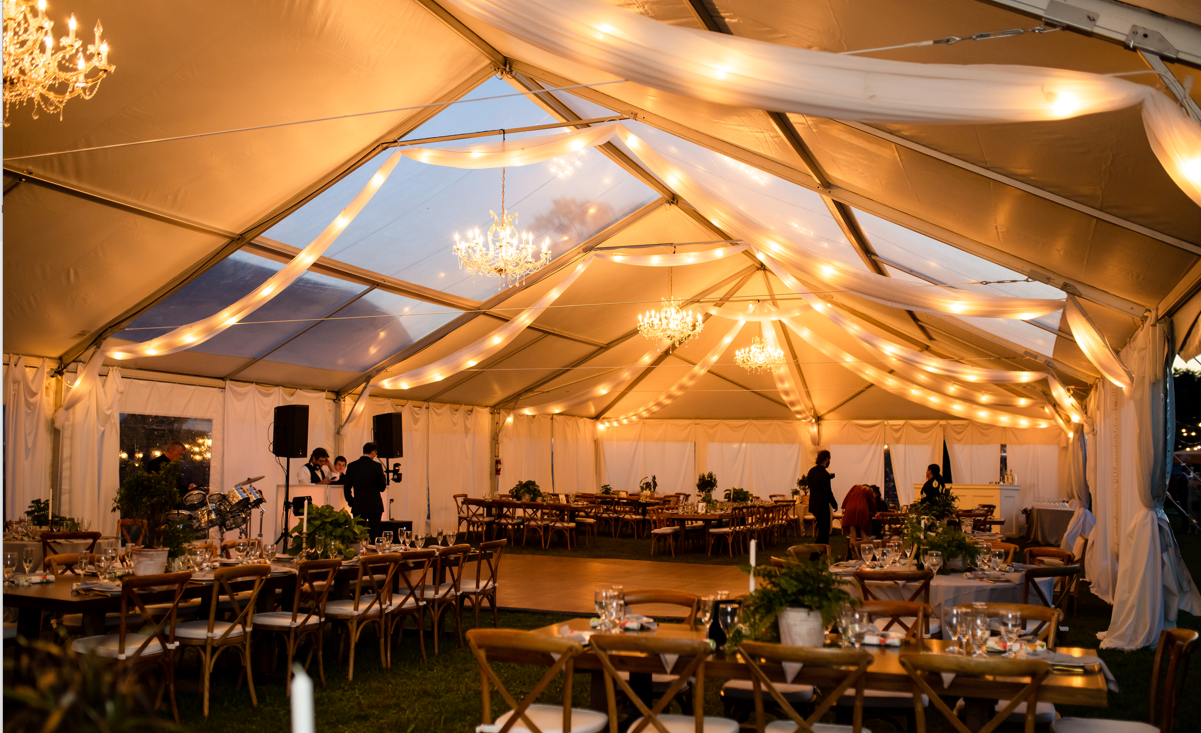
Choosing a venue requires a careful evaluation of both the event's purpose and logistical requirements. Focus on finding a location that aligns with the event’s theme and can comfortably accommodate the expected number of attendees.
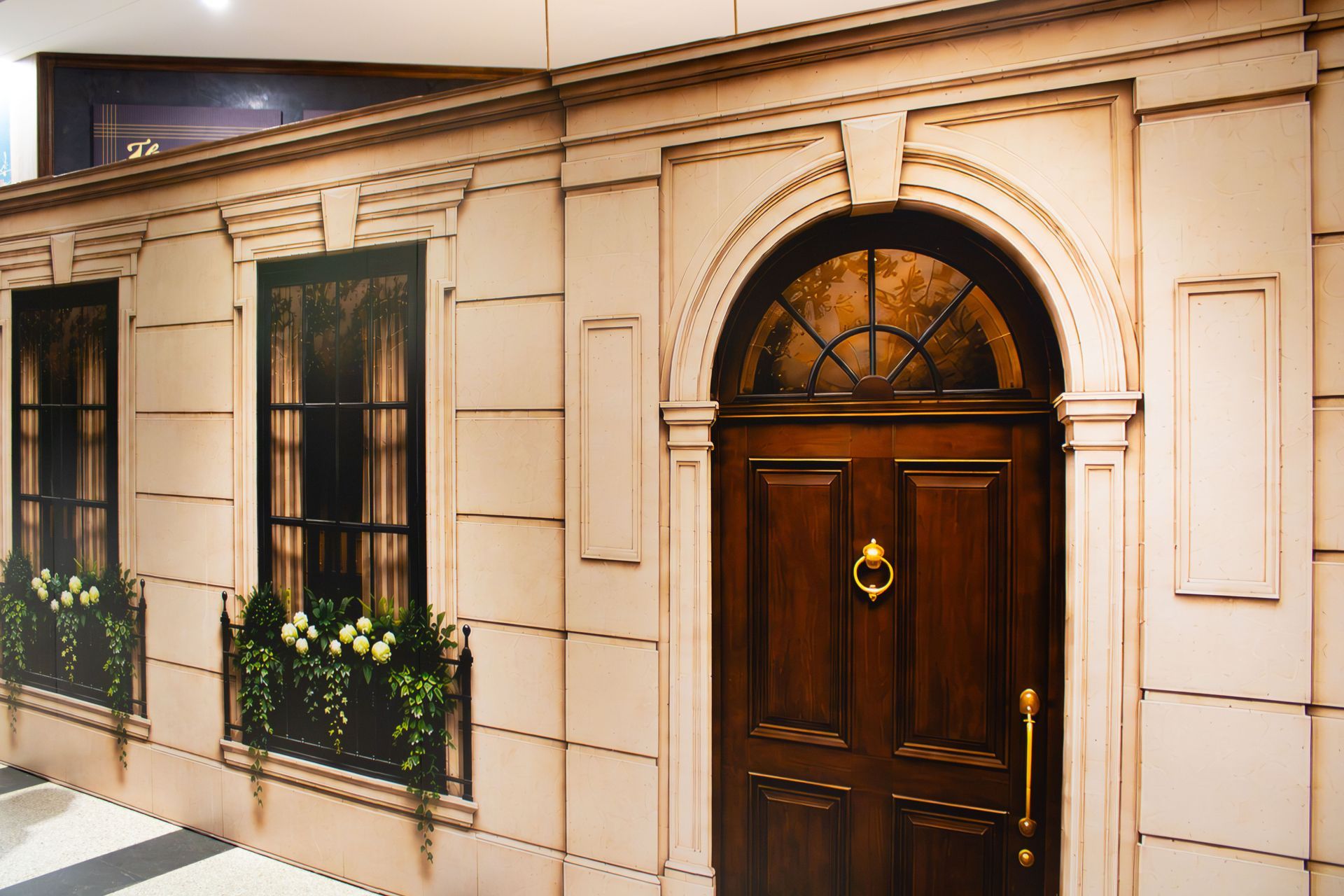
In NYC, options range from historic landmarks to modern spaces, offering endless possibilities to create a unique atmosphere. Prioritize practical considerations like accessibility for guests, parking options, and proximity to public transportation. Assess the venue’s layout to ensure it supports your planned activities, whether it’s breakout sessions, networking areas, or a main stage. When visiting potential venues, inquire about included amenities such as audiovisual equipment, Wi-Fi, or in-house catering, which can save time and costs. Always book well in advance to secure your desired location, as NYC’s competitive market often leads to high demand for prime spaces.
Marketing and Promotion Strategies
Leveraging effective marketing strategies ensures your event captures attention and drives attendance. Begin by identifying your target audience and tailoring your promotional efforts to their preferences and behaviors. Use social media platforms like Instagram, LinkedIn, and Facebook to share visually appealing posts, stories, and updates that generate buzz. Consider creating a dedicated event page or using hashtags to increase online visibility. Email marketing remains a powerful tool, design concise, engaging emails with clear calls-to-action for RSVPs or ticket purchases. Collaborate with local businesses, media outlets, or industry influencers to broaden your event’s reach. Offer early bird promotions or exclusive discounts to encourage early registration.
Utilize analytics tools to track the performance of your campaigns, enabling you to refine and optimize your approach as needed. By employing a thoughtful, audience-focused strategy, you can maximize your event’s exposure and impact.
Day-of-Event Coordination
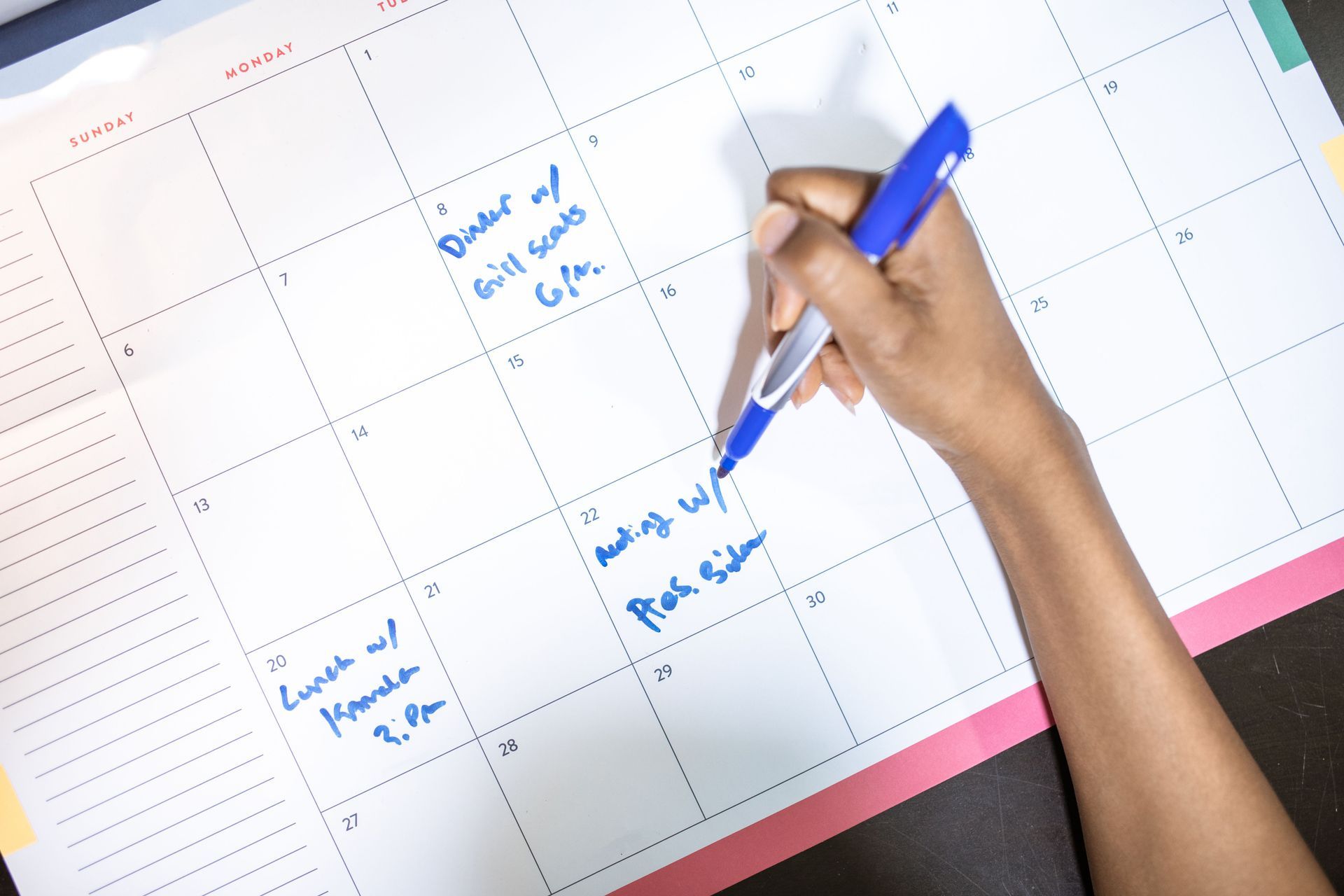
Effective day-of-event coordination requires a clear plan and the ability to adapt to real-time developments. Start by distributing a detailed timeline to all staff and vendors, ensuring everyone understands their responsibilities. Conduct a final walkthrough of the venue to confirm all setups align with the event plan. Designate a central point of contact for resolving issues quickly, whether it's a last-minute vendor adjustment or guest assistance. Utilize communication tools like radios or group messaging apps to stay connected with your team throughout the day. Keep a checklist handy to monitor progress and avoid overlooked tasks. Regularly check in with vendors and staff to maintain a smooth flow, ensuring the event proceeds as planned and exceeds expectations.
Post-Event Follow-Up
Gathering insights post-event is crucial for continuous improvement. Distribute surveys to attendees, vendors, and staff to collect feedback on what worked well and what could be enhanced. Use analytics tools to assess metrics like attendance rates, social media engagement, and overall satisfaction. Compile this data into a comprehensive report to evaluate the event's success against its objectives.
Thank all stakeholders, including attendees and vendors, for their participation, as maintaining positive relationships is key for future collaborations. Address any unresolved issues promptly to leave a lasting positive impression. By thoroughly analyzing results and feedback, you can fine-tune your approach and ensure an even smoother execution for upcoming events.
How Can NEC Help?
Event management requires skillful planning, adaptability, and attention to detail to ensure every aspect comes together seamlessly. With NYC’s fast-paced environment and diverse opportunities, collaborating with a professional team can make all the difference.
NEC specializes in providing tailored event management solutions, from budgeting and venue selection to day-of coordination and post-event analysis. Our experienced team works closely with you to understand your unique needs, ensuring a flawless execution that reflects your vision. Let NEC handle the complexities so you can focus on engaging with your guests and creating meaningful connections. Reach out to NEC today to discover how we can support your event planning journey and help you achieve outstanding results.
Enjoyed this article? Discover more on our Event Production Blog.