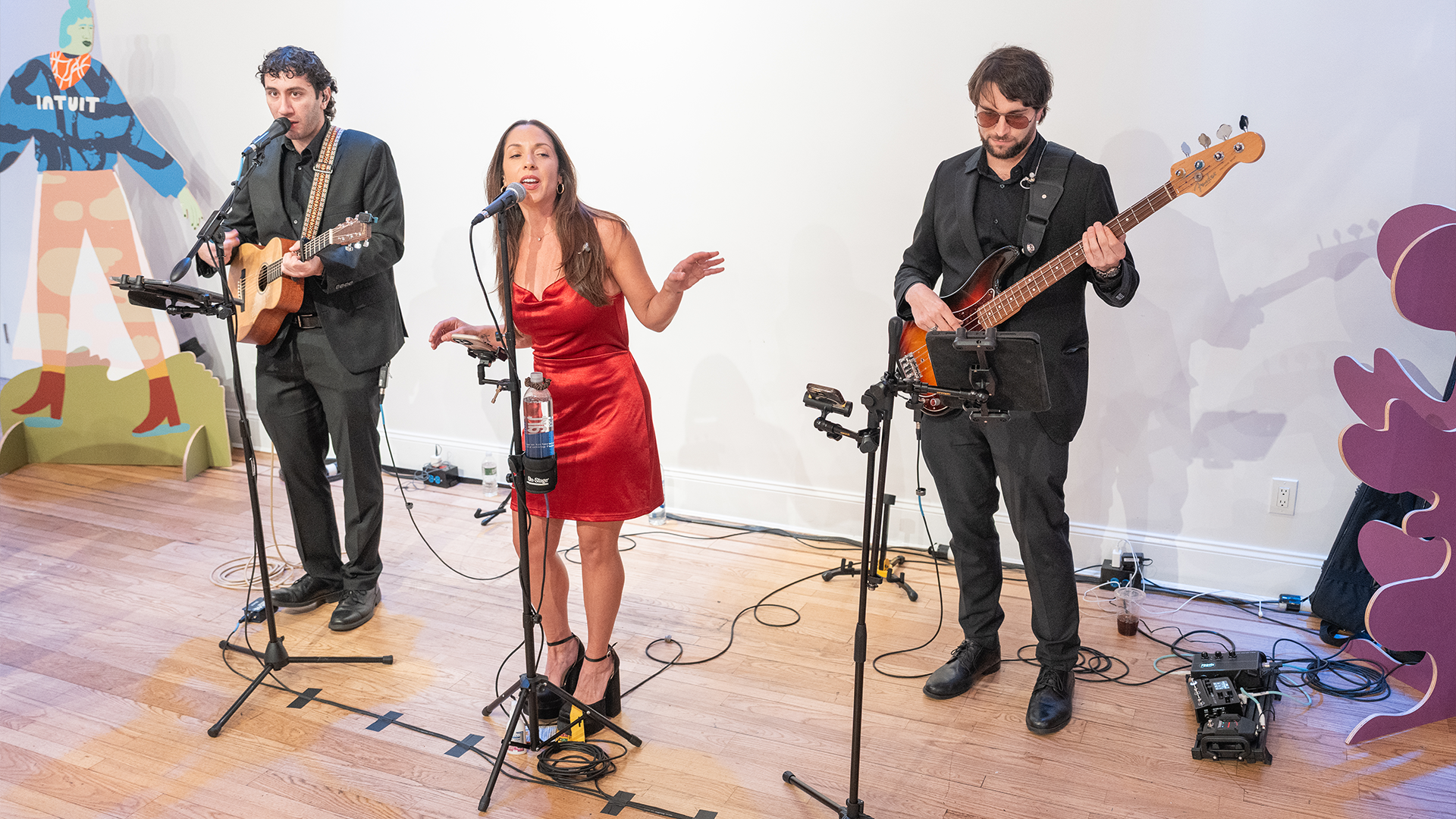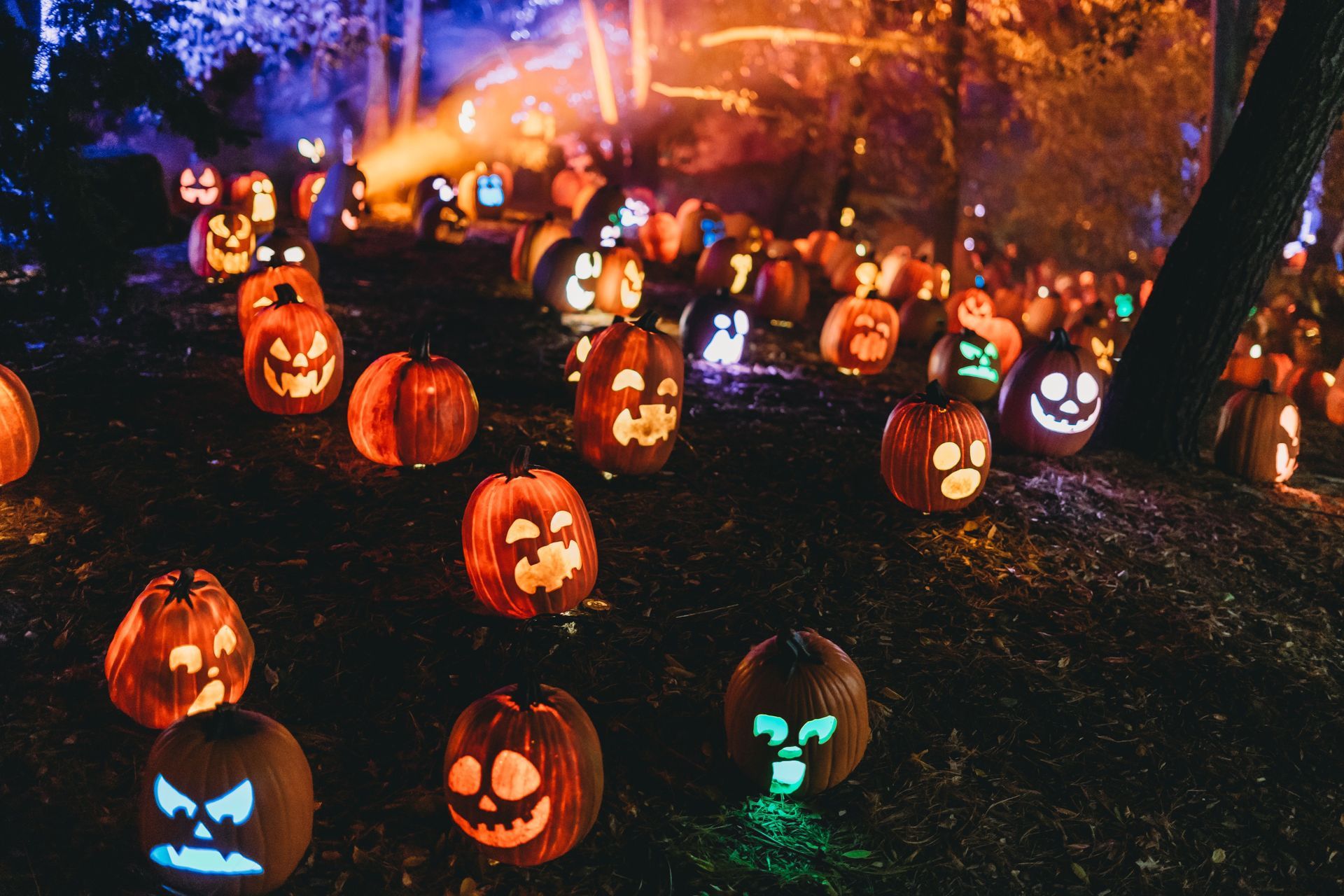
Photography vs. Videography: A Guide to Capturing Your Big Event
If there's one question that comes up again and again during event planning, it's this one: Do I need a photographer, a videographer, or both?
It's a fair question. Both services cost money, both require coordination on the day of your event, and both promise to capture something you'll want to keep forever. But photography and videography aren't interchangeable, they capture different things, in different ways, for different reasons. This guide breaks down what each one offers, so you can make the right call for your event.
What Photography Does Best
Photography freezes a single moment in time. A great photo can capture an expression, a gesture, or the exact second something meaningful happened, and it does it in a way you can hold onto, print, frame, and share instantly.
Reasons to prioritize photography:
- Speed and shareability. Photos can be edited and shared within hours or days, perfect for social media, thank-you cards, or a quick recap for guests who couldn't attend.
- Tangible keepsakes. Prints, albums, and framed images become lasting physical reminders of the day, something videos can't fully replicate.
- Lower cost, high impact. Photography is generally more budget-friendly than videography, making it a strong choice for events with tighter budgets.
- Versatility. A single photo can be used for invitations, marketing materials, press coverage, or personal keepsakes in ways video footage typically can't.
- Less intrusive. A photographer can often move through a crowd more discreetly than a videographer managing cameras, lighting, and audio equipment.
Photography tends to be the right call for events where the
moments matter more than the
motion, think corporate headshots, product launches, smaller private gatherings, or events where guests want quick, sharable content.
What Videography Does Best
Videography captures movement, sound, and story. It preserves speeches word for word, the energy of a room, the laughter, the music, and the atmosphere, things a still image simply can't convey.
Reasons to prioritize videography:
- Emotion and atmosphere. Video captures tone of voice, laughter, applause, and the general feeling of a room, elements that bring an event back to life in a way photos alone cannot.
- Storytelling. A well-edited event video can tell a full narrative arc, from setup to closing remarks, giving future viewers context and continuity.
- Speeches and key moments, in full. If your event includes toasts, keynotes, award presentations, or performances, video preserves them exactly as they happened.
- Marketing longevity. For corporate and brand events, video content performs exceptionally well across websites, social platforms, and future promotional material.
- Reliving the day. Years later, a video lets you (or your organization) actually relive the event, not just see a snapshot of it.
Videography shines for weddings, conferences, galas, product reveals, and any event with a strong emotional or narrative component worth preserving in motion.
When You Should Have Both
For many large-scale events, the honest answer is: both. Photography and videography aren't competing services, they're complementary ones, each covering what the other can't.
Consider hiring both if your event includes:
- Multiple important moments happening at once (a wedding ceremony and reception, a conference with breakout sessions and a keynote)
- A mix of formal and candid moments you'll want documented, both the posed group photo and the genuine, unscripted reaction
- Content needs across different channels, photos for a press release and social posts, video for a recap reel or promotional trailer
- A significant investment in the event itself, if you're already spending heavily on venue, catering, and production, the additional cost of full documentation is often worth it
- A desire for a complete archive, some moments are best remembered as a photo, others as a video clip, and having both means nothing important gets lost
Many event planners find that photography and videography teams can work seamlessly alongside each other with minimal coordination required, a good sign that "both" isn't overkill, it's simply thorough.
Questions to Ask Yourself When Deciding
As part of your event planning process, work through these questions:
- What's the primary goal of this event? Marketing content, personal memories, press coverage, and internal documentation each lean differently toward photo, video, or both.
- What's your budget, and how does it break down? If funds are limited, decide whether stills or motion better serve your top priority.
- Will there be speeches, performances, or key spoken moments? If so, video is hard to skip.
- How quickly do you need content? Photos typically turn around faster than edited video.
- Where will the content live afterward? Instagram, a website, a printed program, a highlight reel, different platforms favor different formats.
Final Thoughts
There's no universally "right" answer to the photography-versus-videography debate, it depends entirely on your event, your goals, and your audience. A strong event planning guide should always circle back to that same core idea: capture what matters most to you, in the format that will let you (and your guests) relive it best.
Whether you choose photography, videography, or a combination of both, the goal is the same, making sure your big day isn't just remembered, but truly preserved.
Contact us today for help with your next event!
Enjoyed this article? Discover more on our Event Production Blog.