Real Horror Stories: When Events Go Wrong
Ask any event planner about their worst day on the job, and watch their face change. The eyes go distant. The jaw tightens. Then comes the story.
The keynote speaker who got stuck on a tarmac in Denver. The wedding cake that slid off its stand twenty minutes before the reception. The 800-person conference where the Wi-Fi died the moment the live demo started.
Every planner has one. Most have several. And here's the secret nobody puts in the glossy brochures: things go wrong at almost every event. The difference between a disaster and a great story you tell later isn't luck. It's preparation, a cool head, and knowing exactly who to call when the floor drops out from under you.
So grab a flashlight and settle in. We're about to walk through the scariest things that can happen at an event, and more importantly, how the pros survive them.
Seven Event Nightmares (and How to Wake Up From Them)
1. The Venue Vanishes
It starts with an email that begins, "We regret to inform you." A burst pipe flooded the ballroom. The venue double-booked your date. Or the building simply failed a fire inspection the week of your event.
Losing your venue is the haunted house of event horrors, because everything else depends on it. Catering, décor, seating charts, signage, even your attendees' hotel bookings are all tied to that one address.
What to do: Call your venue contact immediately and get the facts in writing: what happened, what they're offering, and what your contract says about cancellation and relocation. Then start working your network. Other venues in the area often have last-minute openings, and planners who know local venue managers personally can fill a room in hours rather than days. Communicate early with attendees. A clear, confident message that says "new location, same great event" keeps people from panicking and canceling.
2. The Vendor Who Ghosts You
The florist stops answering. The DJ's phone goes straight to voicemail. The caterer shows up with food for 150 when you confirmed 250. Vendor failures are among the most common event nightmares, and they almost always strike when there's no time left to fix them calmly.
What to do: Keep a backup list of at least two alternative vendors for every critical service, especially food, audio-visual, and transportation. Confirm every booking three times: at signing, two weeks out, and 48 hours before. If a vendor no-shows, don't waste an hour chasing them. Move straight to your backup and deal with refunds after the event. For food shortages, local restaurants, grocery store catering departments, and food trucks can often step in faster than you'd expect.
3. The Tech Meltdown
The projector won't connect. The microphone squeals with feedback. The livestream freezes for 3,000 remote viewers. The registration app crashes and a line of attendees snakes out the door.
Technology is wonderful right up until it isn't, and when it fails, it fails in front of everyone.
What to do: Run a full technical rehearsal the day before, using the exact equipment, cables, and laptops that will be used live. Have a dedicated A/V tech on site, not just "someone who's good with computers." Keep offline backups of every presentation on a USB drive, print a paper check-in list, and have a spare microphone ready to hand over. If the livestream drops, post a quick update to your online audience so they know you're working on it. Silence is what makes people log off for good.
4. The Weather Turns Against You
You planned a gorgeous outdoor festival. The forecast said sunshine. Then the sky turns green, the wind picks up, and the tents start to lift.
Weather is the one guest you can never uninvite. Rain, extreme heat, snowstorms, and lightning can turn an outdoor event dangerous fast, and travel delays can keep half your attendees from arriving at all.
What to do: Every outdoor event needs a written Plan B, whether that's an indoor backup space, a tent rental on standby, or a rain date announced in advance. Assign one person to monitor the forecast and local alerts throughout the day. Decide your "call it" thresholds ahead of time, such as lightning within 10 miles, so no one has to make a tense judgment call in the moment. Safety always beats the schedule.
5. The Empty Room
You booked space for 500. You printed 500 badges. At start time, 140 people are sitting in a room built for crowds, and the silence echoes.
Low turnout is a quiet horror, but a painful one. It hurts sponsors, deflates speakers, and makes attendees wonder whether they made a mistake by showing up.
What to do: In the moment, shrink the space. Close off back sections, pull chairs forward, and move to a smaller room if possible. A full small room feels far more exciting than a half-empty big one. For the future, track registrations weekly and set clear warning points. If you're below target a month out, ramp up promotion, partner with industry groups, offer group discounts, and lean on your network to spread the word.
6. The Medical or Safety Emergency
An attendee collapses during the keynote. A fire alarm sends 1,200 people into the parking lot. A guest has a severe allergic reaction at dinner.
These are the stories no one wants to tell, and the ones where preparation truly matters most.
What to do: Know where the nearest exits, first aid kits, and AED devices are before doors open. For larger events, hire on-site medical staff or EMTs. Brief your team on who calls 911, who meets responders at the entrance, and who manages the crowd. Collect dietary and allergy information during registration and share it clearly with your caterer. When something serious happens, pause the program without hesitation. Attendees will remember how you handled it far longer than they'll remember the agenda.
7. The Speaker Who Never Shows
Your headliner, the name on every flyer, texts you at 7:00 a.m.: "Flight canceled. So sorry." Doors open at 9:00.
What to do: Ask whether they can present remotely. A video call on the big screen is far better than nothing. Keep a "bench" of local experts or panel moderators who could step in on short notice. You can also turn the slot into an interactive panel, an audience Q&A, or an extended networking session. Be honest with attendees. People are surprisingly forgiving of a last-minute change when you handle it openly and offer something valuable in its place.
How to Build a Horror-Proof Event
You can't stop every disaster. But you can make sure no disaster catches you empty-handed. The planners who survive the worst days tend to share a few habits:
- They write a contingency plan. One page per major risk is enough: what could happen, who decides, and what the backup is.
- They read every contract. Cancellation clauses, force majeure language, and refund terms matter most on the day you need them.
- They carry event insurance. Event cancellation and liability coverage can be the difference between a bad day and a financial catastrophe.
- They keep an emergency kit. Extension cords, tape, safety pins, phone chargers, a first aid kit, printed schedules, and a list of every vendor's cell number.
- They have a crisis chain of command. When something breaks, everyone on the team knows who makes the call, so no one wastes precious minutes debating.
- They debrief afterward. Every mishap becomes a lesson that makes the next event stronger.
Most of all, the best planners never work alone. They have a deep bench of trusted vendors, venues, and fellow professionals they can call at a moment's notice. When the pipe bursts at 6:00 a.m., the planner with the strongest network is the one who still pulls off the event.
Your Event Doesn't Have to Be a Horror Story
Every nightmare on this list has one thing in common. The events that survived them had a partner behind the scenes who had seen it all before and knew exactly what to do.
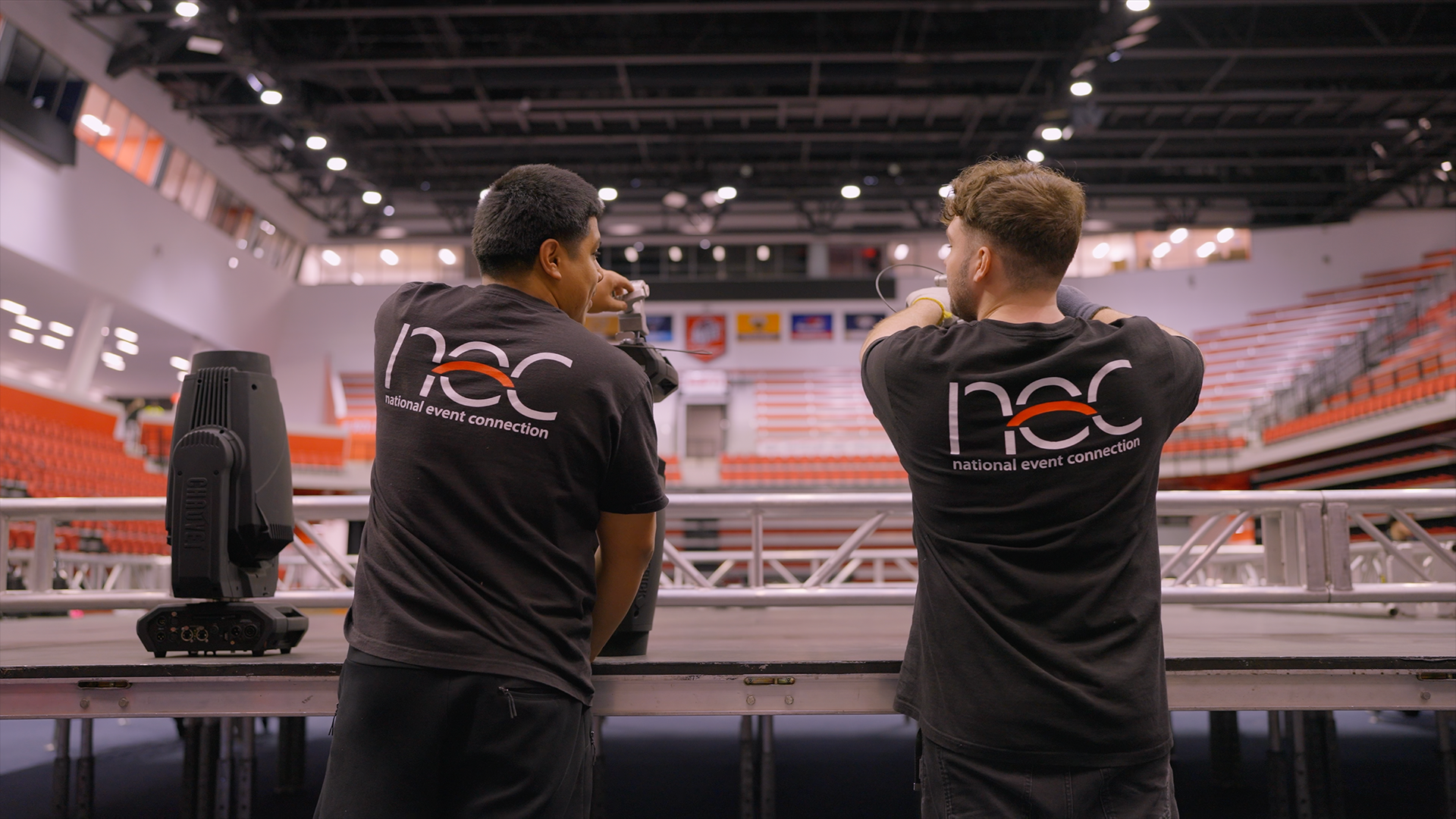
That partner is National Event Connection. As a highly trusted vendor for events across the country, we handle everything from logistics and venue coordination to vendor management, on-site staffing, and full audio-visual support.
We build the backup plans. We run the tech rehearsals. We confirm every vendor, test every microphone, and watch every forecast, so you don't have to. And when something does go sideways behind the curtain, our team fixes it before your guests ever notice.
You've read the horror stories. With National Event Connection, you'll never have to live one.
Planning an event? Contact National Event Connection today and let our team take care of every detail, so the only story your guests tell is how flawless it was. Request your free consultation now.
Enjoyed this article? Discover more on our Event Production Blog.