Strategies for Success: A Guide for Event Planners
Introduction to Corporate Event Planning
Setting Clear Goals and Objectives
Defining goals and objectives is the foundation of effective corporate event planning. Begin by identifying the primary purpose of your event, such as fostering networking opportunities, launching a product, or celebrating company milestones. Break these overarching goals into specific, measurable objectives that guide your planning process. For example, if your goal is to increase brand awareness, determine a target for social media engagement or attendee numbers. Engage stakeholders early to ensure alignment on these priorities and to gain valuable insights into what success looks like from different perspectives. Use these objectives to shape key decisions, such as selecting speakers, choosing activities, and designing the overall event flow. Having a clear focus helps you allocate resources wisely and ensures every element of the event contributes to achieving its intended outcomes.
Budgeting and Resource Allocation
Creating an effective budget begins with identifying all necessary expenses, including venue, catering, technology, staffing, and decorations. Research costs early to establish realistic estimates and compare vendor pricing to find the best value. Prioritize spending on items that directly contribute to achieving your event’s goals. For example, allocate more funds to high-impact elements like keynote speakers or unique activities if they align with your objectives. Always include a contingency fund, typically 10-15% of your total budget, to handle unexpected costs such as last-minute changes or additional needs. Track your spending closely throughout the planning process using budgeting tools or spreadsheets to ensure you stay on track. Keep all invoices and receipts organized for reference and future planning. Regularly review your budget with your team to adjust allocations if priorities shift or unforeseen opportunities arise.
Selecting the Perfect Venue
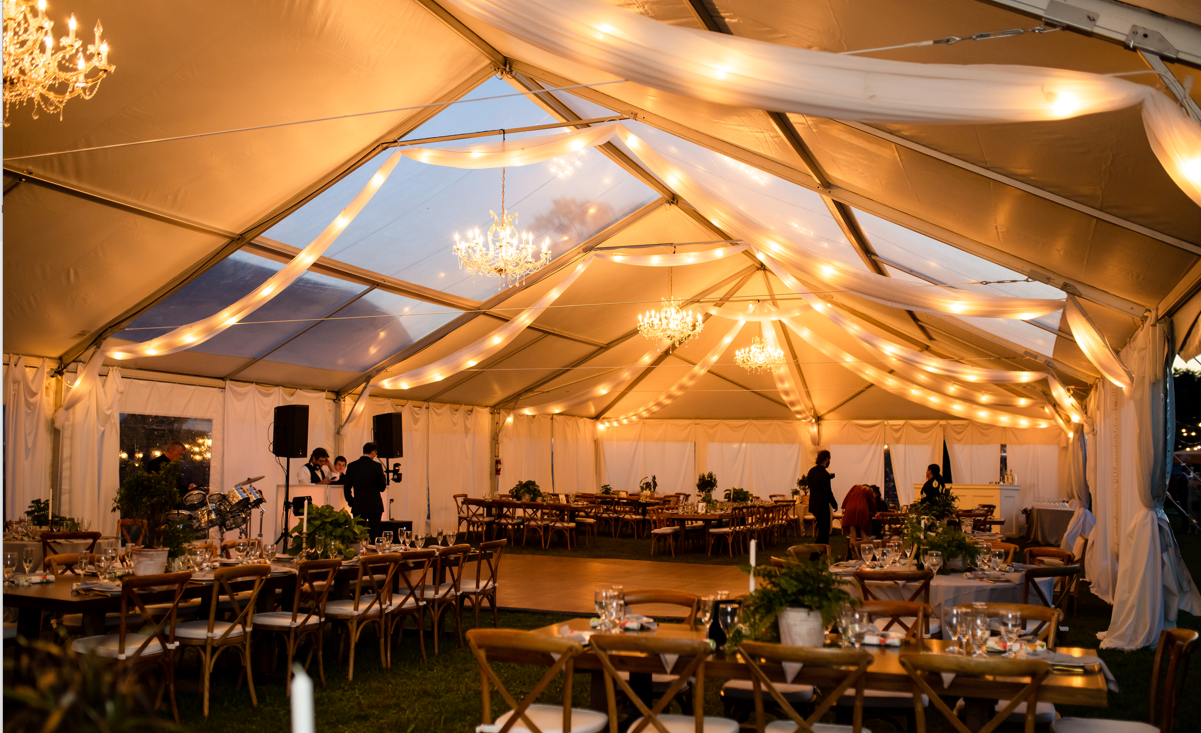
When selecting a venue, focus on practical considerations to ensure it meets the needs of your event. Confirm the location is convenient for attendees, with ample parking or transportation options. Check the venue’s capacity and ensure it complies with safety regulations. Review the layout to confirm it supports your event activities, such as breakout sessions or networking areas. Ask about available amenities, including audio-visual equipment, Wi-Fi, and on-site staff support. Evaluate accessibility features to accommodate all participants. Schedule a site visit to assess cleanliness, ambiance, and overall suitability. Review the venue’s policies on catering, decorations, and timing to avoid potential conflicts. When negotiating, clarify terms regarding deposits, cancellation policies, and additional fees. Confirm all agreements in writing to prevent misunderstandings. Early booking can secure your preferred date and provide more flexibility for planning other event elements.
Crafting a Memorable Experience
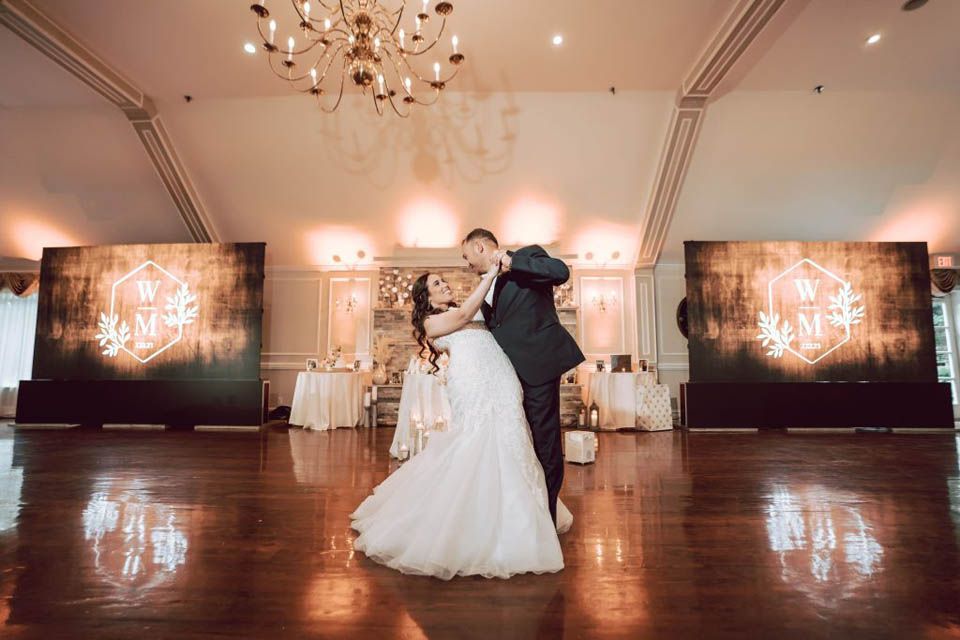
Focus on attendee engagement by incorporating activities tailored to your audience’s preferences. Include interactive elements like live polling, hands-on workshops, or small group discussions to encourage participation. Personalize the experience by using attendee data to customize event content, such as breakout session topics or networking opportunities. Offer unique touches, such as creative event themes, distinctive decor, or local culinary options, to leave a strong impression. Provide a mix of structured and flexible time so participants can explore and connect organically. Thoughtful entertainment, whether live music or an engaging speaker, can add energy and interest. Make sure all transitions, from check-in to closing, run smoothly to maintain a cohesive and enjoyable experience for all attendees.
Effective Promotion and Communication
To effectively promote and communicate about your event, start by defining your target audience and crafting messages that resonate with them. Create a detailed timeline for announcements, starting with a save-the-date notice, followed by invitations, and periodic updates leading up to the event. Use a mix of channels like email, social media, and event-specific webpages to reach your audience. Design visually appealing materials, ensuring consistency in branding across all platforms. Provide clear instructions for registration, including deadlines and key details. Engage potential attendees by highlighting event benefits, such as notable speakers or networking opportunities. Maintain communication post-registration with reminders, event schedules, and FAQs. Respond promptly to questions and concerns to keep attendees informed and engaged.
Evaluating Event Success
Gather post-event feedback through surveys, interviews, or comment cards to gain insights from attendees, stakeholders, and team members. Focus on questions that evaluate specific aspects of the event, such as content relevance, venue suitability, or overall organization. Review key performance metrics like attendance rates, social media engagement, and budget adherence to measure success against your initial goals. Analyze the feedback and data to identify recurring themes, areas for improvement, and strengths to build on for future events. Organize findings into actionable takeaways to guide your planning process moving forward. Share the results with your team and stakeholders to foster collaboration and ensure lessons learned are applied in the next planning cycle.
How can we help?
Planning a corporate event requires thoughtful preparation and a strategic approach to ensure every detail aligns with your objectives. By focusing on clear goals, effective resource management, and creating engaging experiences, you can produce events that leave a lasting impact. Evaluate each aspect of the process to refine your strategies for future success. Whether it's selecting the right venue, tailoring activities to your audience, or promoting the event effectively, every decision plays a role in achieving your vision. Now is the time to apply these strategies to your planning process. Ready to elevate your next corporate event? Collaborate with experienced professionals who can help bring your ideas to life and ensure your event exceeds expectations. Contact NEC today!
Enjoyed this article? Discover more on our Event Production Blog.