Building Relationships That Last in The Event Industry
Networking for Event Planners
Understanding Your Clients
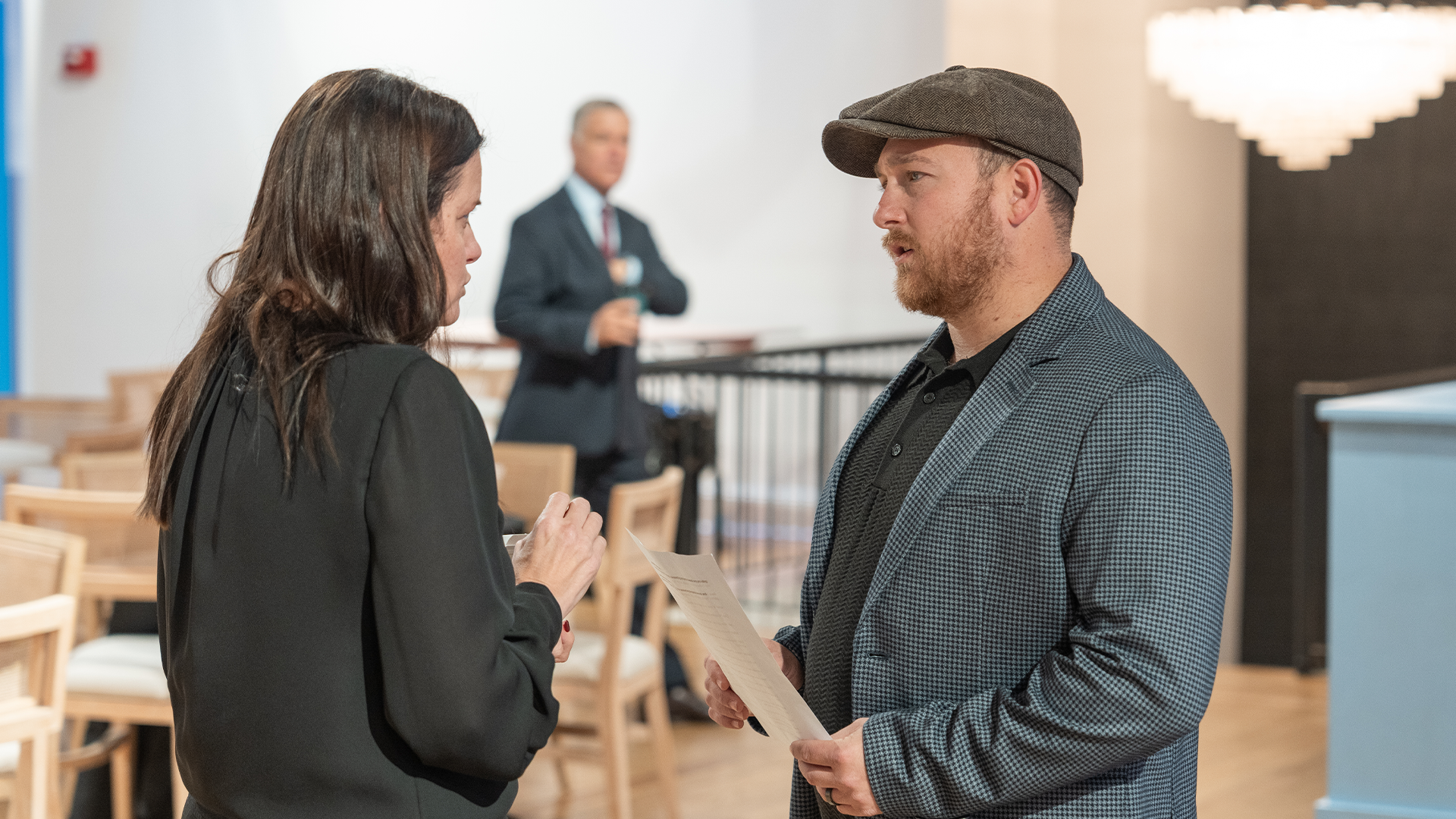
Understanding your clients begins with paying attention to the finer details of their unique vision and objectives. Each client is different, and it’s important to approach their event goals with a personalized perspective. Start by asking thoughtful questions that uncover what truly matters to them, such as their desired atmosphere, theme preferences, and priorities for the event experience. By doing so, you can align your planning strategies with their expectations.
Pay close attention to verbal and nonverbal cues during conversations, as these can offer valuable insight into their personality and style. When discussing their ideas, take notes and reflect back on what they’ve shared to ensure you’re on the same page. This not only helps avoid miscommunication but also shows that you’re engaged and dedicated to their vision.
In addition to direct communication, research the client’s professional background, past events, or branding elements if applicable. Gaining a deeper understanding of their history helps you anticipate their needs and offer tailored solutions. Building this level of familiarity allows you to create events that feel authentic and uniquely suited to them, setting the stage for a successful collaboration.
Effective Communication Strategies
Effective communication is about striking the right balance between clarity and personalization. Begin by actively listening to your clients and taking note of their preferences for communication. Some may prefer concise emails, while others appreciate the personal touch of a phone call or face-to-face meeting. Adapting to their style shows flexibility and attentiveness, which builds rapport.
When discussing plans or updates, focus on being direct and organized. Present information in a way that’s easy to understand, avoiding unnecessary jargon or overly complex explanations. This helps ensure that everyone remains on the same page throughout the planning process. Additionally, keeping track of conversations and agreements in writing can prevent misunderstandings later on.
Timing also plays a role in effective communication. Share updates or check in with clients at appropriate intervals, ensuring they stay informed without feeling overwhelmed. Anticipate questions they might have and proactively address any concerns to demonstrate your dedication to their event’s success. When faced with challenges or changes, communicate promptly and offer clear solutions to maintain confidence and trust.
Ultimately, creating an open line of communication where clients feel comfortable sharing their thoughts and concerns will encourage a positive working relationship that can support your professional growth.
Building Trust Over Time
Consistency and reliability are key when it comes to earning your clients’ trust. Make sure to follow through on commitments, whether it’s meeting deadlines, providing updates, or addressing questions promptly. Clients need to feel confident that you’ll deliver what you promise without constant oversight. Be transparent about your processes and any potential challenges, as honesty fosters a sense of security and understanding.
Focus on creating a collaborative environment where clients feel heard and valued. Involve them in decision-making when appropriate and provide clear, actionable options for any major choices. This not only ensures their satisfaction but also reinforces your role as a dependable partner.
Attention to detail also plays an important role in trust-building. Whether it’s remembering specific preferences, ensuring seamless execution, or going the extra mile with small thoughtful touches, these actions demonstrate your dedication to their event’s success. Showing genuine care for their needs and taking ownership of your role solidifies a strong professional bond over time.
Utilizing Social Media for Networking
Social media offers event planners a unique opportunity to connect with clients and industry professionals in a dynamic and interactive way. Use platforms like LinkedIn, Instagram, and Facebook to showcase your expertise, share behind-the-scenes glimpses of events, and highlight client success stories. Regularly posting valuable content not only demonstrates your skills but also keeps your name top of mind for potential collaborators and clients.
Engagement is key, take time to comment on others’ posts, respond to messages, and participate in industry-specific groups or discussions. This active involvement helps you foster authentic connections and positions you as a resource within the event planning community. Tailor your tone and approach depending on the platform, ensuring you align with the expectations of your audience.
When sharing content, focus on creating posts that resonate with your target audience. This might include event trends, helpful tips, or updates on your latest projects. Tagging clients or vendors (with permission) in relevant posts can further amplify your reach while building goodwill. Utilize hashtags strategically to broaden your visibility and attract like-minded professionals. By maintaining a consistent online presence and engaging meaningfully with others, you can use social media as a powerful tool to strengthen your professional network.
Attending Industry Events
Preparing for industry events allows you to make meaningful connections and stand out as a professional. Research the event’s schedule and participants beforehand to identify sessions or gatherings where you’re likely to meet individuals relevant to your goals. Bring business cards and prepare a brief, engaging introduction that highlights your role and expertise in event planning. During conversations, focus on active listening and showing genuine interest in others’ work. Asking thoughtful questions can help create a memorable interaction.
Pay attention to the atmosphere and tailor your approach accordingly, whether it’s a casual mixer or a more formal conference. Networking isn’t about rushing to meet as many people as possible, it’s about forming authentic relationships. If you’re speaking with someone, avoid constantly scanning the room for your next conversation; instead, dedicate your attention to the person in front of you.
Take advantage of group settings, such as panel discussions or breakout sessions, to contribute ideas or ask questions that highlight your knowledge. After making a connection, jot down a quick note about your conversation to make your follow-up more personal. A well-timed message referencing your discussion helps solidify the connection and leaves a positive impression.
The Role of Feedback in Relationship Building
Gathering feedback is an essential step in maintaining and improving professional relationships. After an event, approach your clients with specific, open-ended questions that encourage honest responses about their experience. This creates an opportunity for them to share what they appreciated most and what could be improved. Actively listening to their input without becoming defensive is crucial, as it shows you value their perspective and are committed to continuous improvement.
When feedback highlights areas for adjustment, use it constructively to refine your services or approach. Implementing changes based on their suggestions not only improves future events but also demonstrates your adaptability and dedication to meeting their expectations. Keep the process straightforward by providing clients with multiple ways to share their thoughts, such as through surveys, phone calls, or follow-up emails, to make participation as convenient as possible.
Additionally, don’t overlook the importance of acknowledging positive feedback. Express gratitude for their kind words and recognize specific moments or efforts they praised. This helps reinforce mutual respect and appreciation, setting the tone for future interactions. Feedback is more than a critique; it’s a tool to deepen understanding and strengthen the foundation of trust in your professional relationships.
Whats Next?
Building strong relationships as an event planner requires consistent effort and a client-focused approach. Prioritize authenticity in your interactions, adapt to the unique needs of those you work with, and remain open to collaboration. Networking isn’t just about expanding your contact list, it’s about forming meaningful connections that create opportunities for growth and success. Take the time to nurture these relationships, as they often lead to repeat business and valuable referrals.
The strategies shared here can help you cultivate trust and mutual respect in your professional connections. Remember, the key is not only to meet expectations but to exceed them in ways that make your clients and peers feel valued. Strong relationships are the foundation of any thriving event planning career.
Ready to take your networking skills to the next level? Begin applying these tips today to grow your network and create a lasting impact. Contact with us today to see what we can do!
Enjoyed this article? Discover more on our Event Production Blog.