Top Social Event Trends for 2026 Every Event Planner Should Know
What are the upcoming social event trends for 2026?
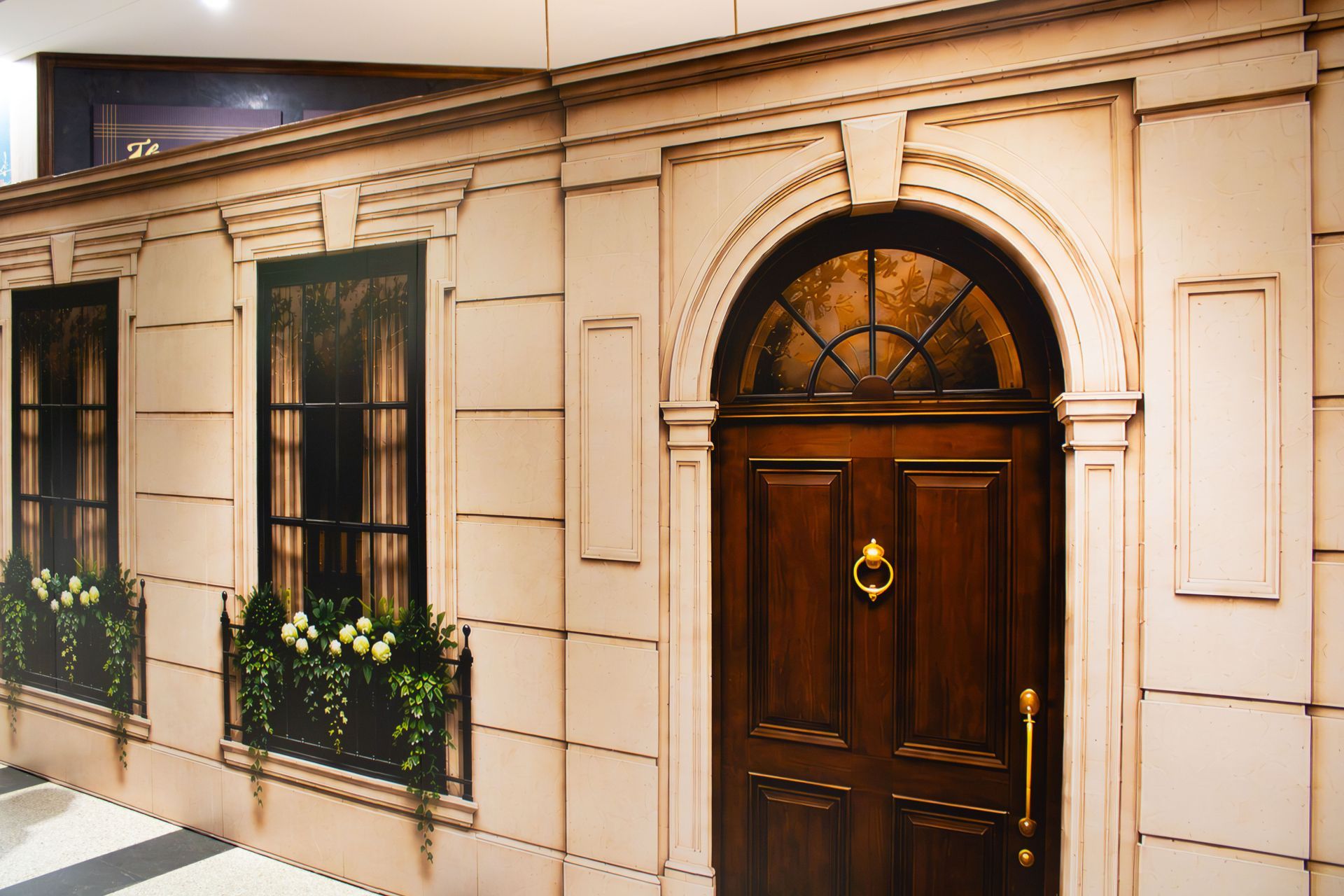
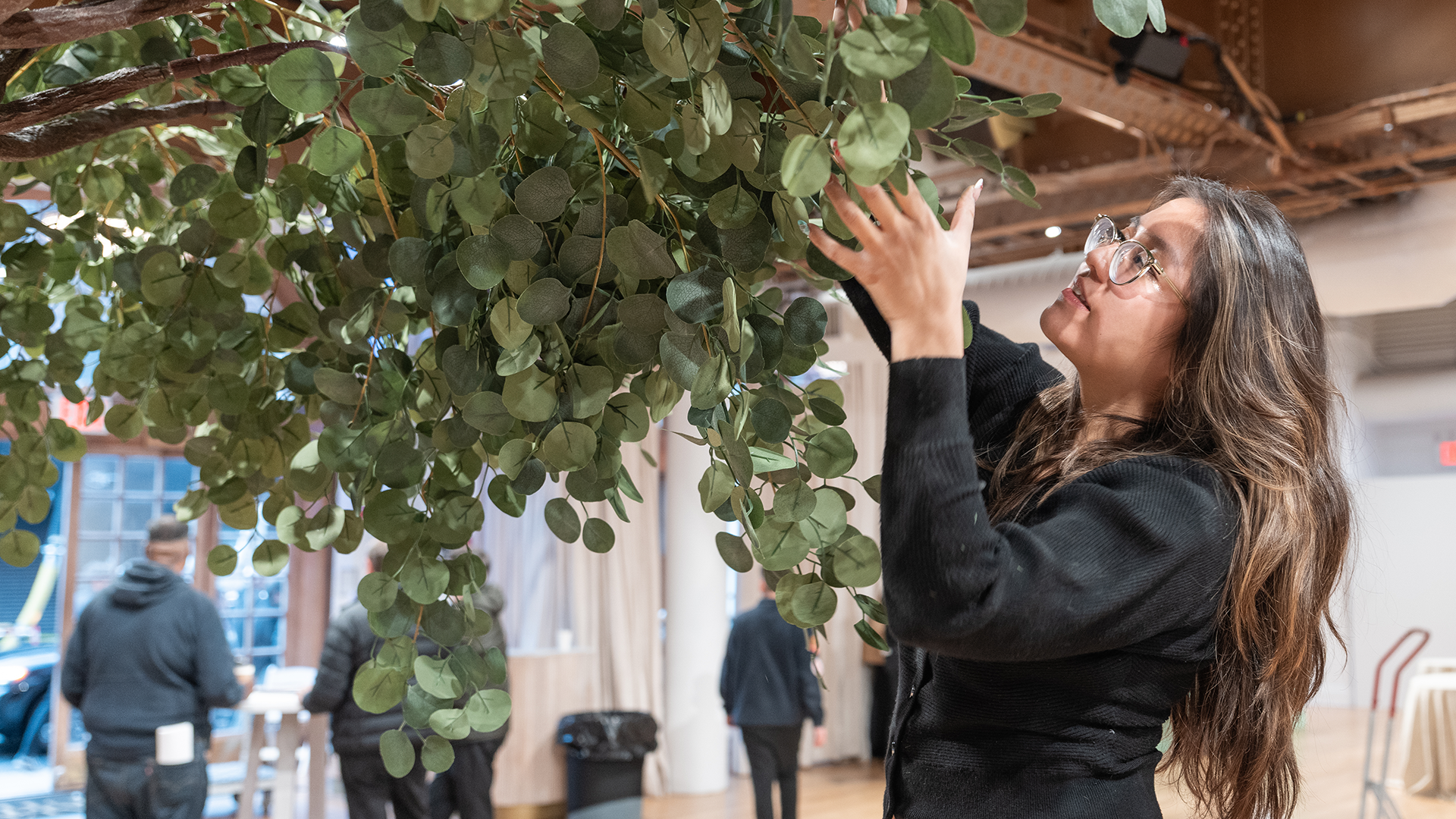
As we look ahead to 2026, social events are shifting to reflect evolving guest preferences and priorities. Attendees are seeking experiences that feel intentional, engaging, and tailored to their needs. One key trend is the rise of smaller gatherings, where meaningful interactions take precedence over sheer size. Event spaces are also being reimagined with flexible layouts, allowing for creative configurations that prioritize guest comfort and usability. Additionally, immersive elements, such as interactive installations or technology-driven features, are becoming central to event design, offering attendees a chance to connect with the event on a deeper level. Another major focus is on the role of technology, from advanced lighting and sound systems to tools that streamline event management and improve overall efficiency. With these trends in mind, social event planners have an opportunity to craft events that go beyond the ordinary, meeting attendee expectations while embracing fresh, innovative approaches to event planning.
How can immersive experiences enhance social events?
Why are smaller, more purposeful gatherings becoming popular?
Smaller, more purposeful gatherings are becoming a preferred choice due to their ability to create meaningful and memorable interactions. With fewer attendees, event planners can focus on designing personalized experiences tailored to the specific interests and needs of the group. This setup often allows for more interactive activities, intimate discussions, and customized elements that resonate with guests on a personal level. Additionally, smaller gatherings can provide a relaxed and welcoming atmosphere, making it easier for attendees to engage with one another. These events are also more adaptable to unique venues and flexible layouts, enabling planners to craft spaces that feel intentional and thoughtfully designed. By prioritizing quality over quantity, these gatherings align with a growing emphasis on creating authentic, impactful moments rather than simply hosting larger-scale events.
What makes flexible layouts important for guest satisfaction?
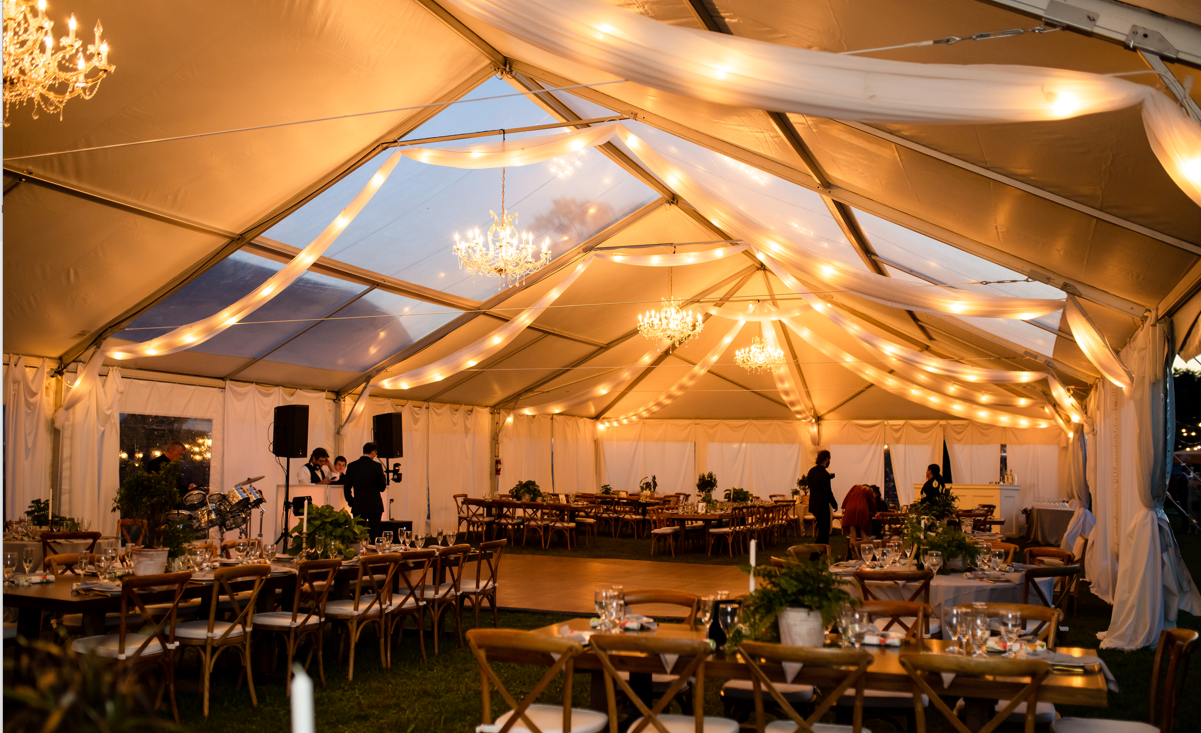
Designing flexible layouts allows social events to cater to varying guest preferences and event activities. Versatile setups can accommodate different group sizes, seating arrangements, and movement patterns, ensuring a seamless experience for attendees. Modular furniture, for instance, offers the ability to quickly reconfigure spaces, adapting to changes in the event schedule or guest interactions. Incorporating open spaces or multifunctional areas encourages mingling and creates a natural flow within the venue. Planners should also consider accessibility and sightlines, ensuring all attendees can comfortably engage with presentations, entertainment, or other key elements. Flexible layouts empower event planners to create environments that are both practical and aesthetically pleasing, enhancing guest satisfaction by fostering comfort and convenience. Thoughtfully designed spaces that adapt to various needs provide a foundation for successful and enjoyable social events.
How do you choose the right venue for your event?
Selecting a venue involves balancing practicality and creativity to match the event’s needs and vision. Start by assessing the logistical essentials, such as location accessibility, capacity, and available facilities. A venue should comfortably accommodate your guest list while offering the flexibility to implement your desired layout and activities. Beyond functionality, consider the ambiance and style of the space, ensuring it complements the event’s theme and purpose. Venues with adaptable features, like outdoor areas or multipurpose rooms, can provide added versatility for a more dynamic experience. It’s also important to evaluate on-site services, such as parking, catering options, or technological capabilities, to support your event goals. Before finalizing, visit the space in person to ensure it aligns with your expectations and has the potential to create an engaging environment for your attendees.
What role does technology play in modern events?
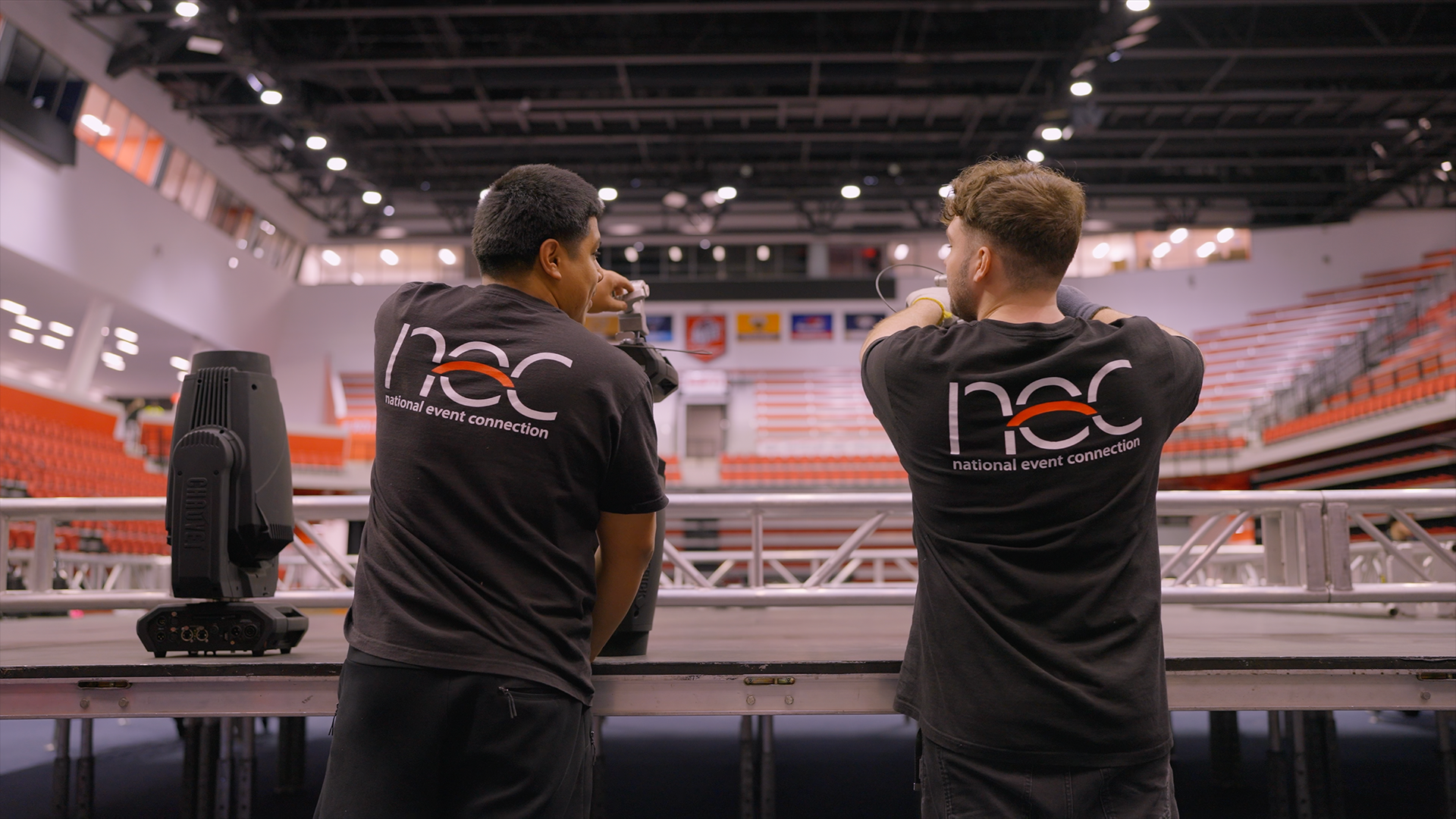
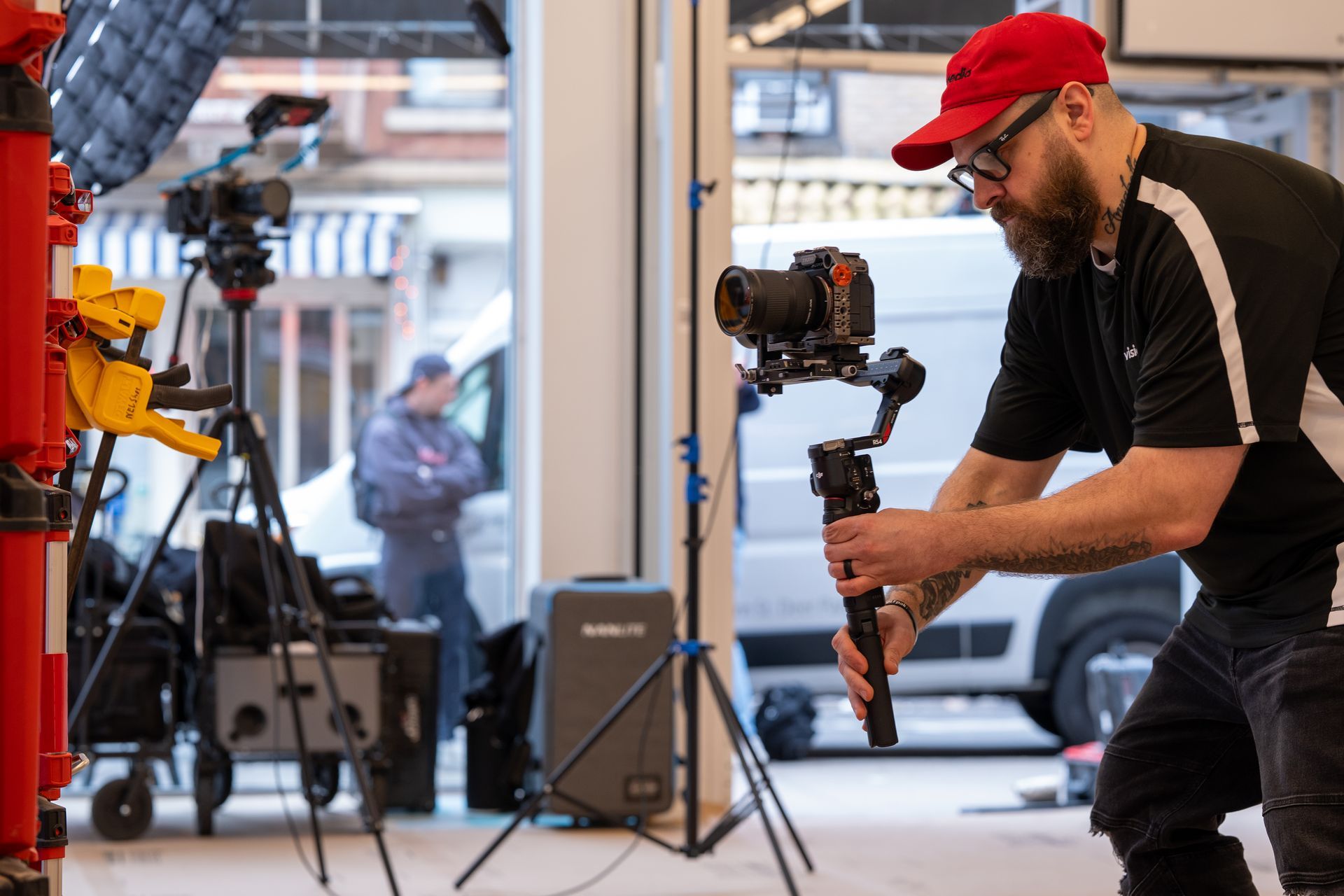
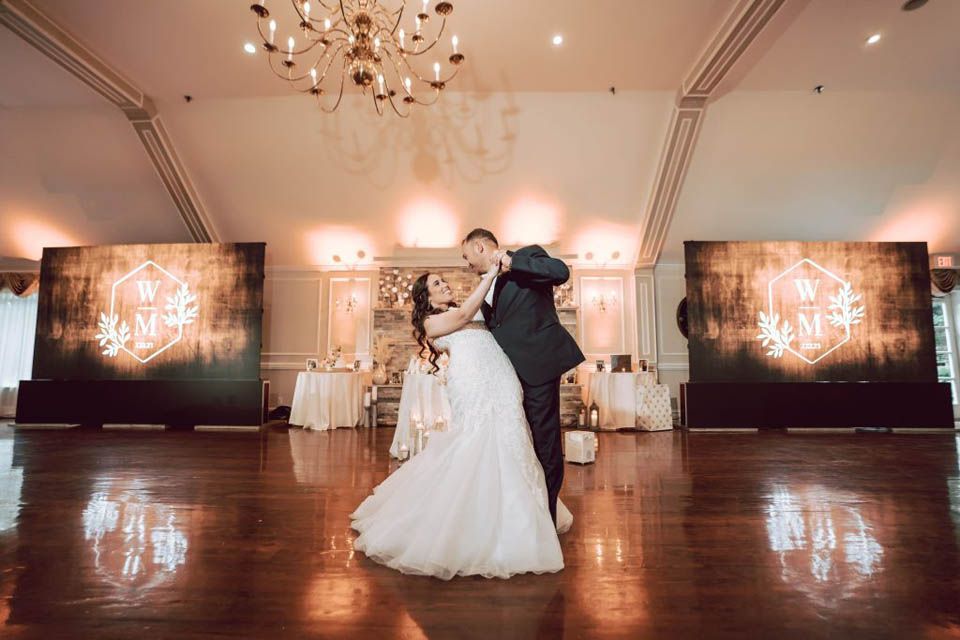
Technology serves as a powerful tool for enhancing the overall experience and functionality of social events. Advanced lighting systems can create unique atmospheres, while high-quality audio ensures clear sound for speakers or entertainment. Video walls offer dynamic visuals, enabling planners to incorporate eye-catching content or real-time updates. Event-specific apps and digital platforms can facilitate guest interaction, from virtual RSVPs to live polling or Q&A sessions during the event. Technology also streamlines logistical aspects, such as digital check-ins or event flow management, allowing planners to focus on delivering a seamless experience. Interactive elements, such as touchscreens or augmented reality features, can engage attendees in innovative ways, making the event feel modern and immersive. With thoughtful integration, technology allows social events to run smoothly while enhancing both the practical and creative aspects of the experience.
What are the next steps?
Staying informed about the latest social event trends is essential for planning events that leave a lasting impression. As 2026 approaches, incorporating strategies like flexible layouts, immersive experiences, and innovative technologies can help elevate the overall guest experience. Thoughtful planning, such as selecting the right venue or designing smaller, purpose-driven gatherings, allows event planners to create moments that resonate with attendees. By focusing on guest engagement and adaptability, planners can craft events that are both memorable and meaningful. Contact us today to explore new ideas and tools in the industry ensures that social events remain fresh and relevant.
Enjoyed this article? Discover more on our Event Production Blog.