Event Fabrication vs. Event Decor: Understanding the Difference
Introduction to Event Planning
Planning an event requires careful coordination of various elements to create a cohesive and engaging experience. From small gatherings to large-scale productions, every event involves a blend of creative and logistical efforts. At its core, successful event planning relies on thoughtful decisions about how to bring a vision to life, ensuring every detail aligns with the overall theme and purpose. One critical aspect is recognizing how different components contribute to the attendee experience. For example, visual aesthetics and physical structures each play unique roles in setting the tone and meeting event goals. Whether designing a wedding, corporate meeting, or brand activation, understanding the available tools and techniques allows planners to craft environments that are not only visually appealing but also functional. This includes leveraging both decorative elements and custom-built features to ensure the event leaves a strong impression.
What is Event Decor?
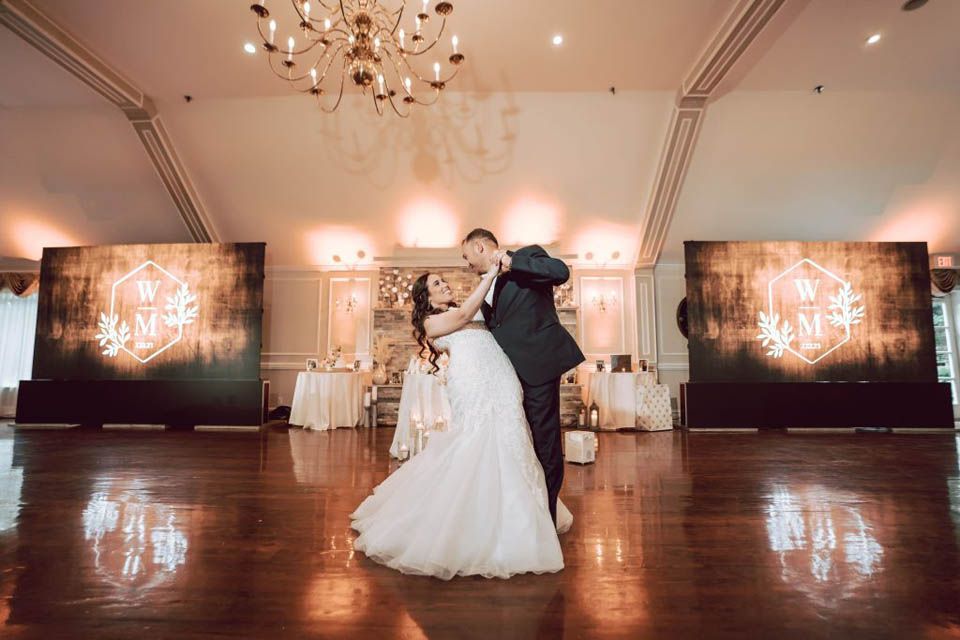
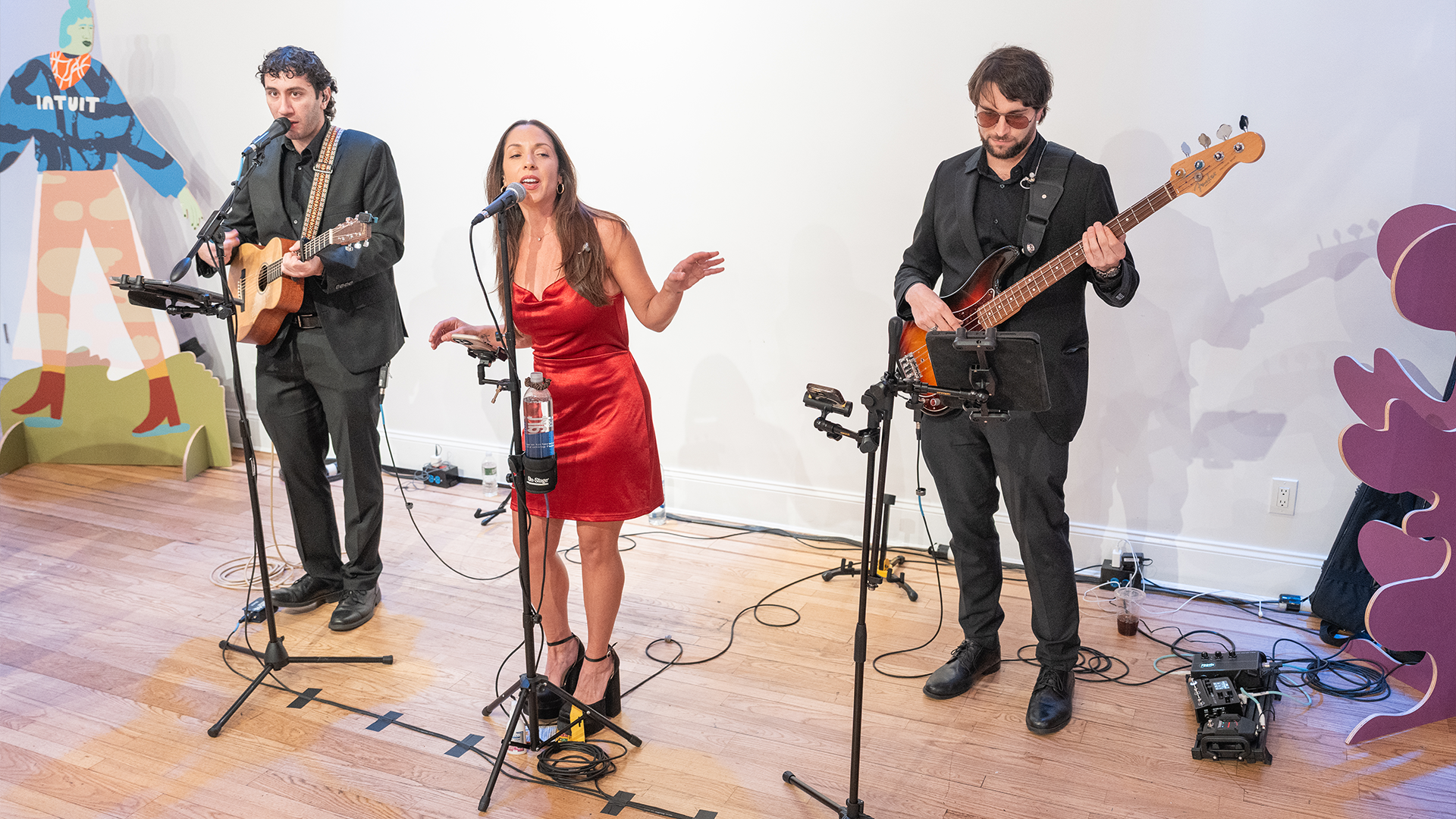
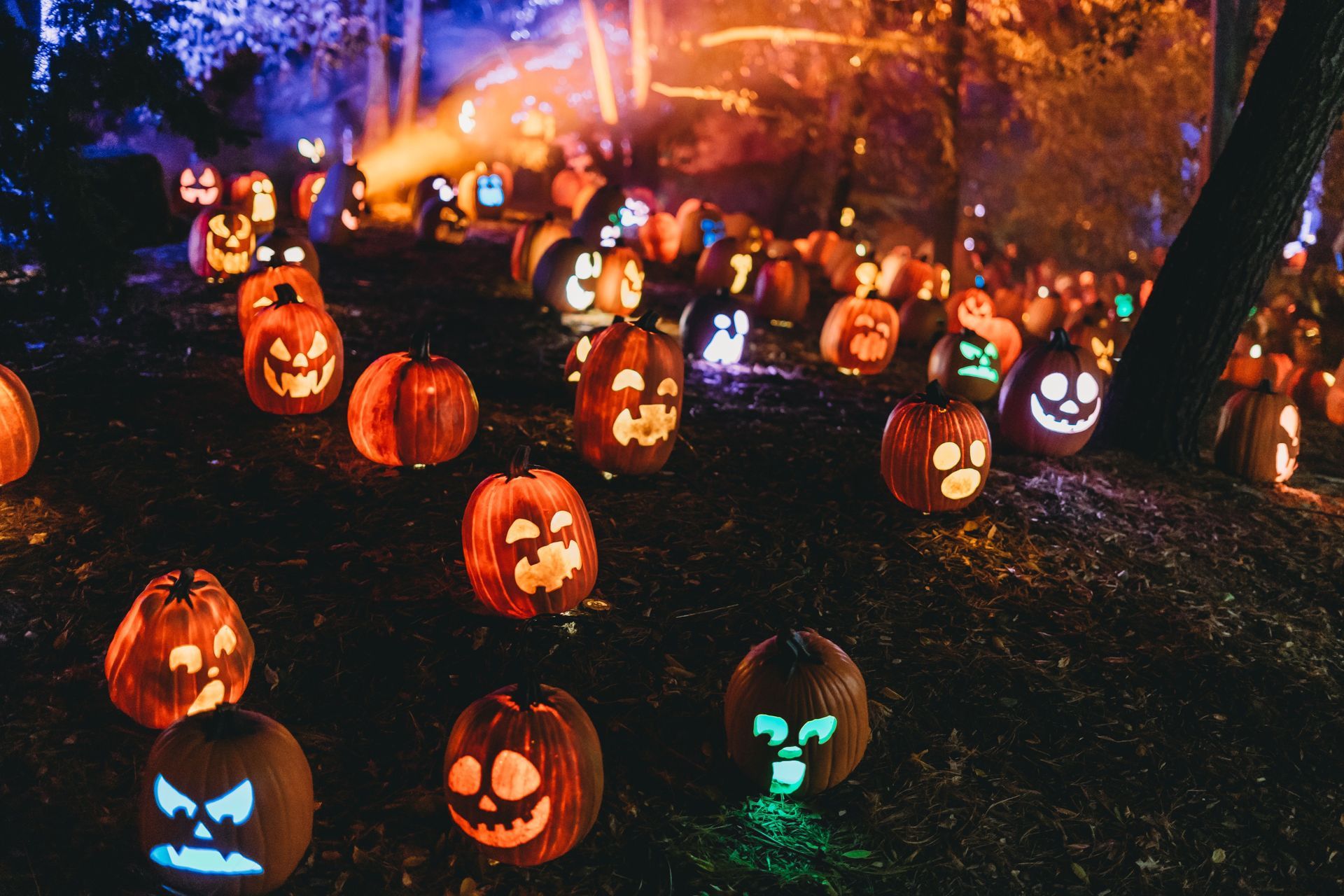
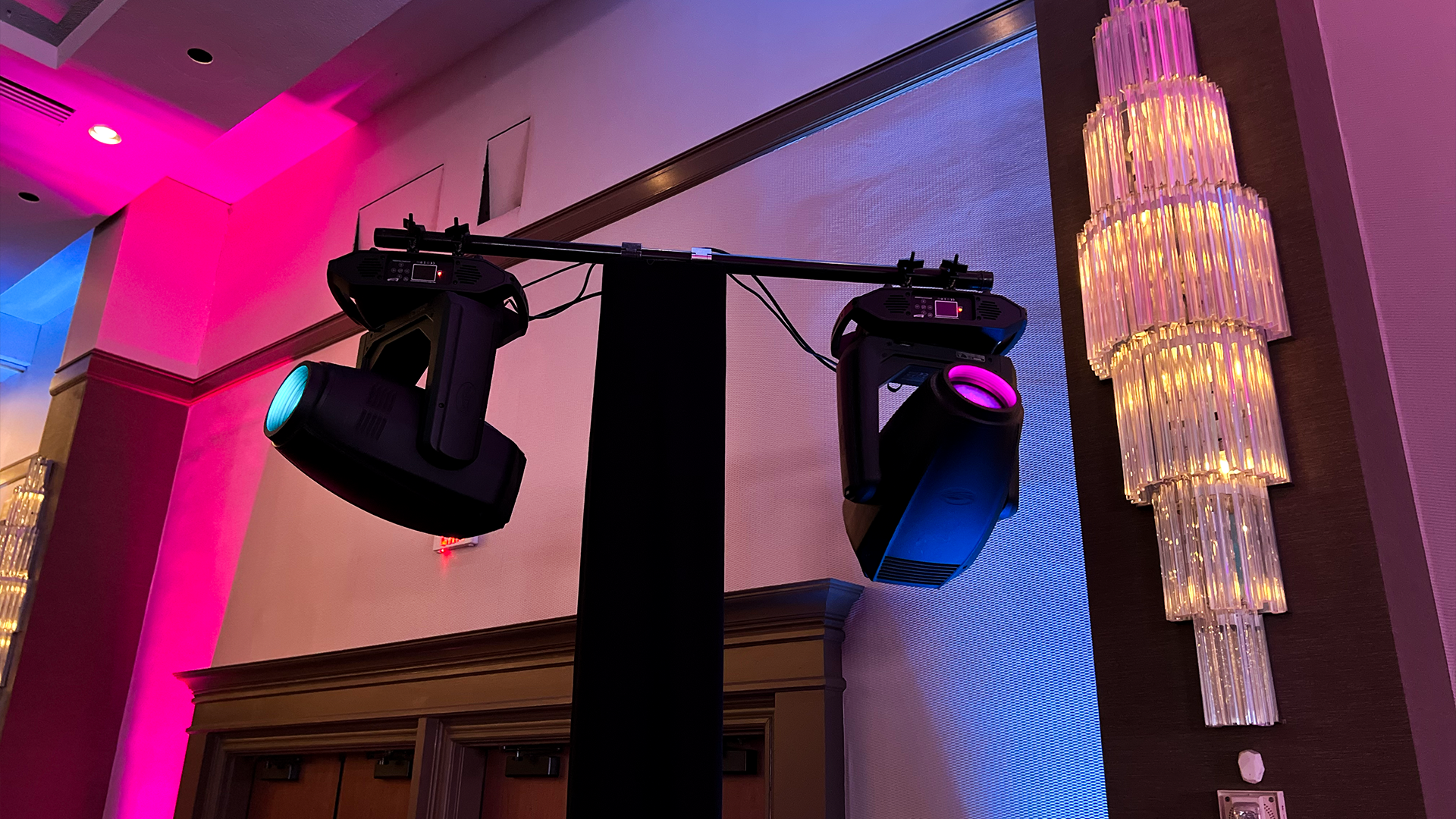
Event decor involves the strategic use of visual and sensory elements to shape the atmosphere of an event. These elements include lighting, color schemes, furniture, floral arrangements, and thematic accents, all selected and arranged to complement the event's purpose and style. Music and sound also play a key role in setting the tone, enhancing the mood, and creating a seamless experience for attendees. For instance, carefully chosen lighting can highlight focal points, while thoughtfully arranged furniture ensures both functionality and aesthetic appeal. Floral arrangements and colors can evoke specific emotions, aligning with the theme and enhancing the setting. Whether the goal is a cozy, intimate gathering or a bold, energetic celebration, decor serves to transform any space into an environment that supports the event’s objectives while leaving a lasting impression on guests.
Understanding Event Fabrication
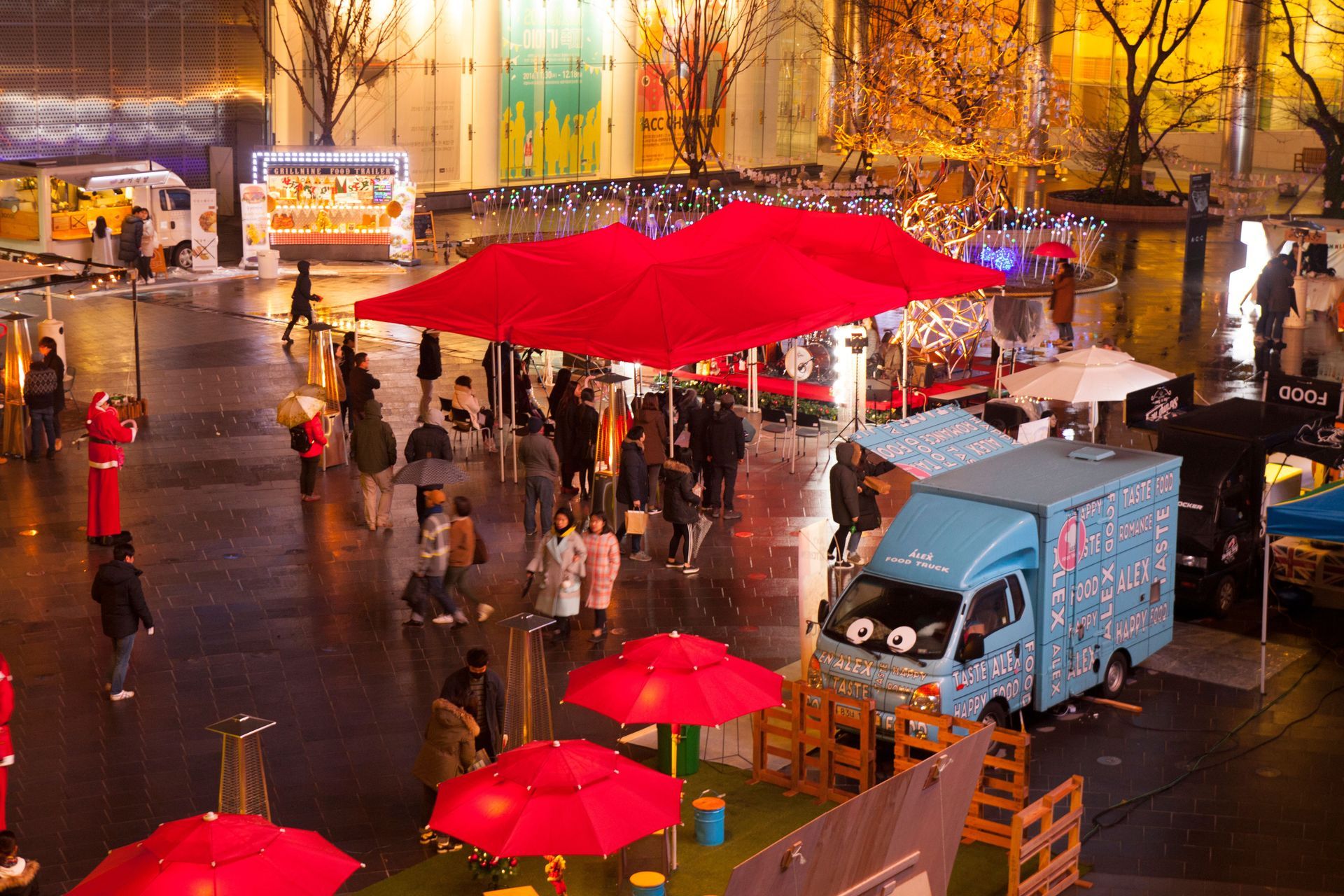
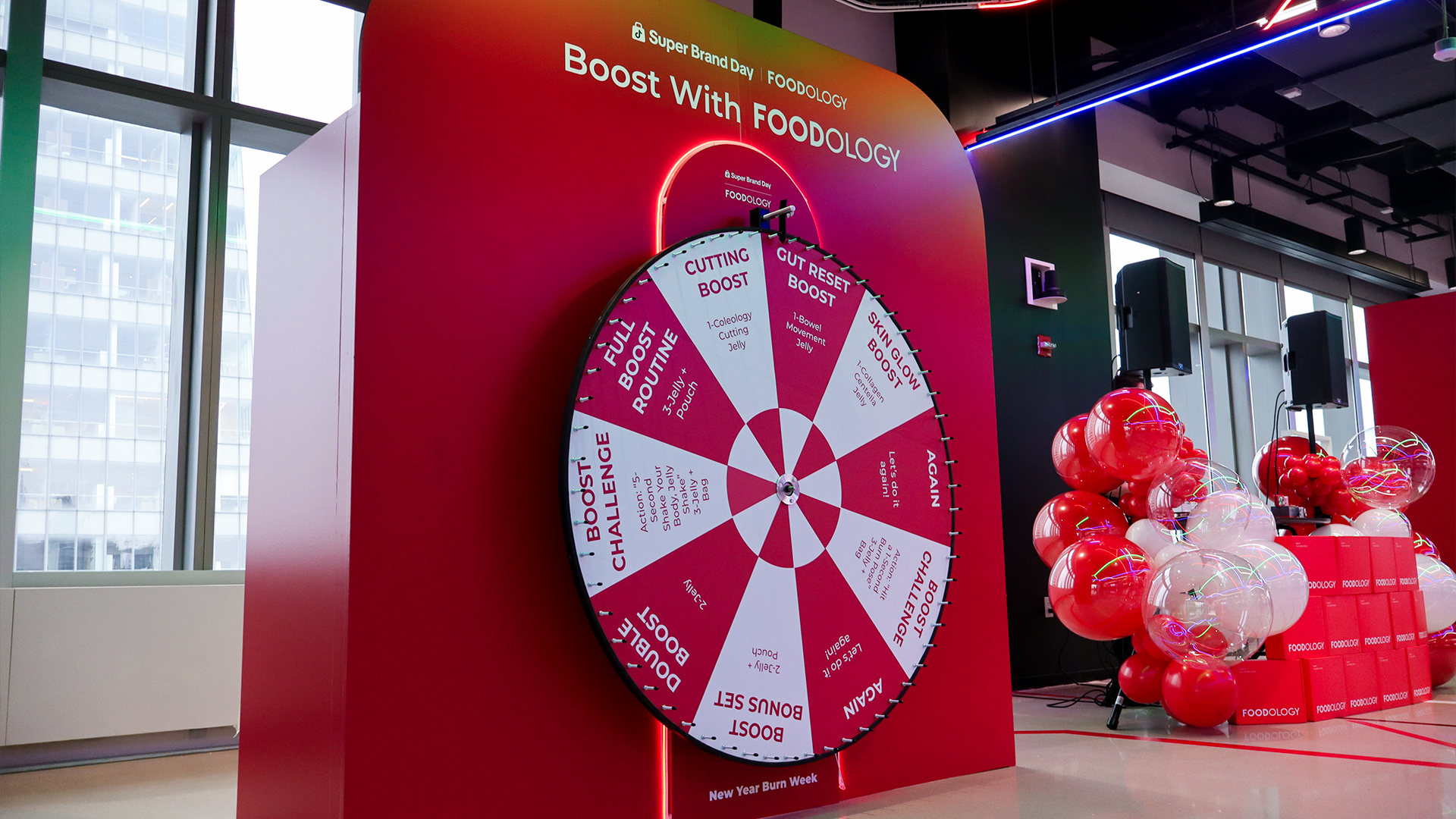
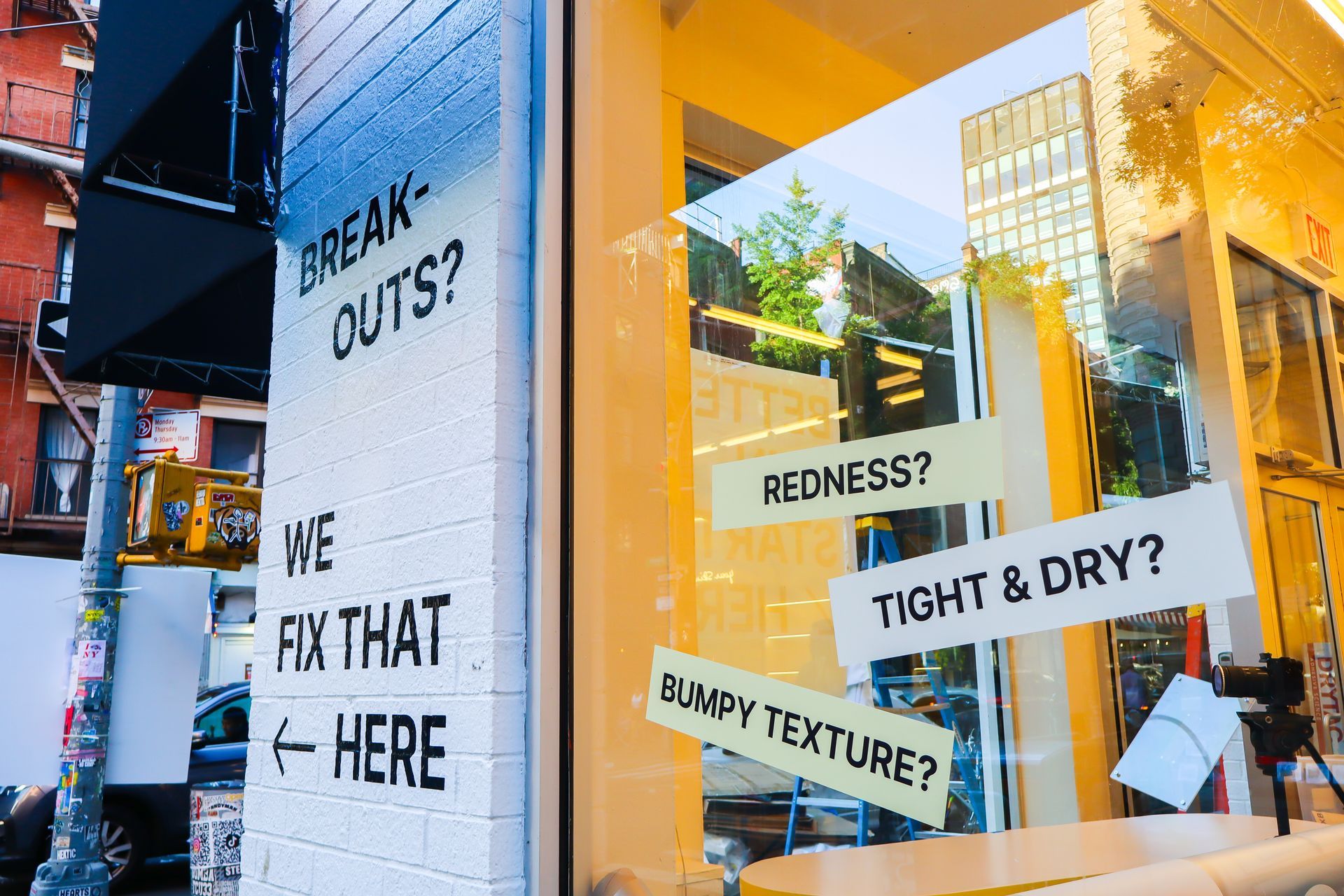
Event fabrication focuses on designing and building custom structures tailored to an event’s specific needs. Unlike decor, which enhances an event’s ambiance, fabrication creates tangible elements that define the space and engage attendees. These structures can range from interactive displays and trade show booths to fully themed environments or pop-up installations. The process begins with creating ideas that align with the event's objectives and then transforming those ideas into physical creations. Fabrication requires skilled craftsmanship and attention to detail, ensuring each structure is both functional and visually impactful. By utilizing high-quality materials and innovative designs, fabrication helps bring unique concepts to life, creating immersive environments that leave a strong impression on guests. Whether it’s a custom-built stage or an elaborate set design, fabrication provides the foundation for memorable and dynamic event experiences.
Differences Between Event Fabrication and Decor
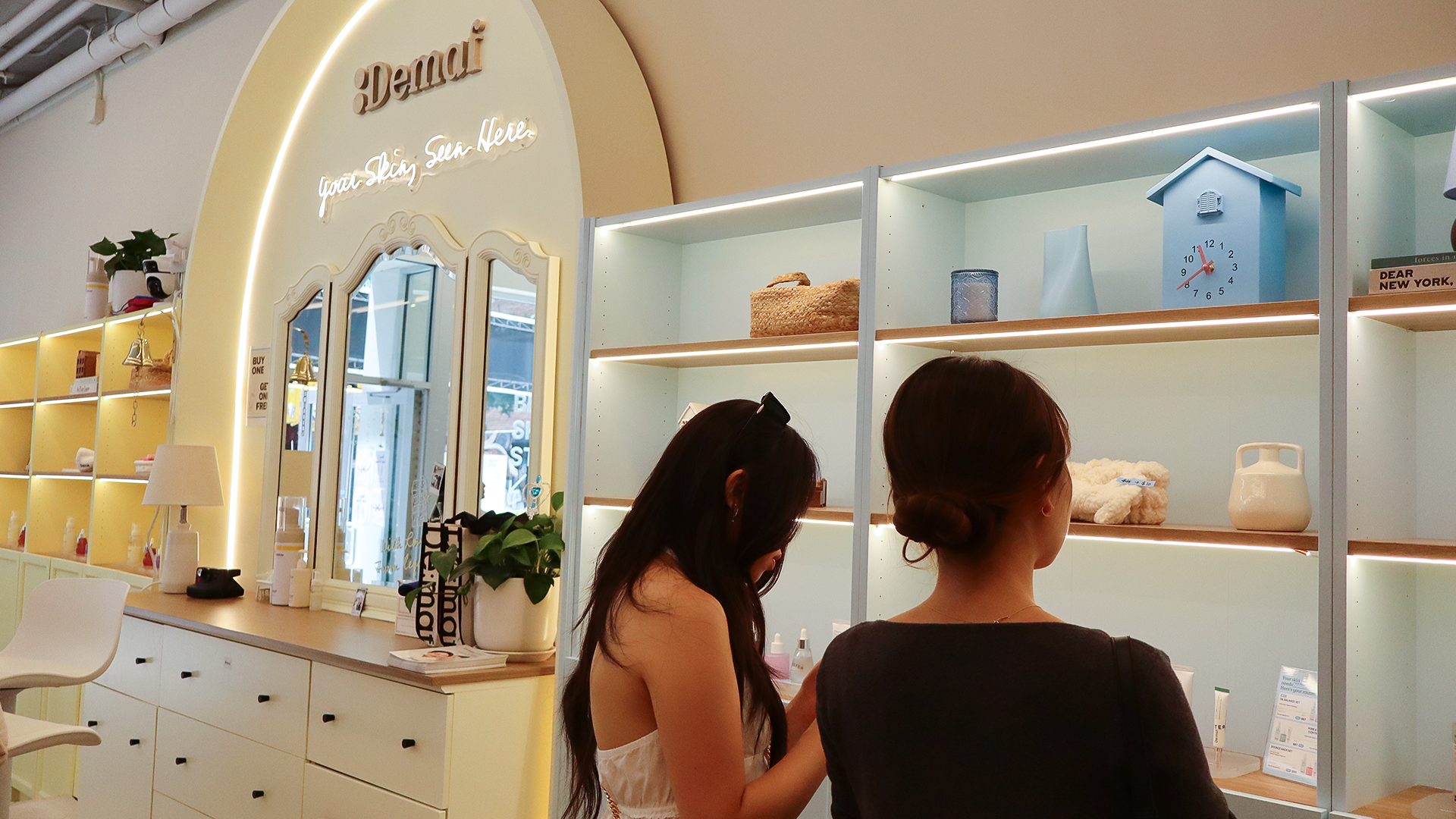
Event fabrication and event decor each serve unique purposes within event planning. Fabrication focuses on constructing custom, tangible elements like stages, pop-up installations, or interactive displays. These structures are designed to meet specific needs, often becoming the centerpiece of an event. In contrast, decor involves enhancing the environment through details such as lighting, furniture, floral arrangements, and sound to create a desired atmosphere. While fabrication provides the physical framework, decor refines and enriches the overall aesthetic. For example, a trade show booth might rely on fabrication for its structure, while decor brings it to life with color schemes and thematic accents. By understanding the distinct roles of these two components, planners can strategically allocate resources to ensure both the physical and sensory aspects of the event work together seamlessly to meet their goals.
Benefits of Combining Both Elements
Blending event decor with event fabrication allows planners to craft spaces that are both visually appealing and purpose-driven. Decor enhances the ambiance with elements like lighting and colors, while fabrication brings unique, custom-built structures to life, ensuring the event stands out. Together, these components can transform an ordinary venue into an immersive setting that fully aligns with the event’s theme and goals. For instance, integrating branded decor with a custom stage design can create a cohesive environment for product launches or corporate events. This approach not only elevates the aesthetic but also creates an interactive and memorable experience for attendees, making it easier to engage with the event’s message or purpose effectively.
Tips for Event Planners
To effectively integrate event decor and fabrication, planners should begin by assessing the event's objectives and audience expectations. Consider the scale of the event and the type of experience you want to create; this will help determine the balance between decor and custom-built elements. Collaborate with experienced professionals who specialize in design, fabrication, and styling to ensure every detail aligns with the theme and functionality. When working on larger events, focus on combining striking visual elements with interactive or structural components to keep attendees engaged. For smaller events, prioritize details like lighting, furniture, and floral arrangements to craft a warm and inviting atmosphere. Always ensure that both decor and fabrication enhance the flow and purpose of the event.
Final Thoughts
By recognizing the distinct roles of event decor and fabrication, planners can better allocate resources and creativity to achieve their event’s goals. Incorporating custom-built structures through fabrication enables the creation of dynamic, one-of-a-kind spaces that capture attention, while decor adds depth and character to the overall environment. Thoughtfully integrating these elements ensures that both the physical and sensory aspects of the event are harmonious and impactful. Planners should approach each event with a clear vision, considering how decor and fabrication can work together to enhance both functionality and guest engagement. With the right balance, these components can turn any event into a memorable and meaningful experience that resonates with attendees long after it concludes. At NEC, we work with you to create the perfect vision for any event and make it come to life. Contact us today to get started!
Enjoyed this article? Discover more on our Event Production Blog.