How to Build a High-Impact Event Strategy for 2026
Understanding the Importance of a Solid Event Strategy
A comprehensive event strategy lays the groundwork for effectively managing the many aspects of planning and execution. In 2026, as the events industry continues to adapt to new trends and technologies, having a clear strategy ensures that each component of your event contributes to its overall purpose. A thoughtful approach helps streamline decision-making, manage resources effectively, and maintain focus on delivering meaningful experiences for attendees.
An event strategy is more than a checklist; it’s a tool that aligns the vision, goals, and logistical details of an event. It provides clarity, enabling planners to prioritize tasks and respond to unforeseen challenges with confidence. From selecting the right venue to designing attendee experiences, a strategic framework keeps efforts organized and intentional.
Moreover, an effective strategy facilitates collaboration among teams, vendors, and stakeholders. By establishing a shared understanding of objectives, everyone involved can work toward a unified vision. This alignment not only simplifies the planning process but also ensures that the final event reflects the goals set at the outset. Whether planning an in-person gathering, a virtual experience, or a hybrid event, a strong strategy serves as a guiding principle for navigating the complexities of modern event management.
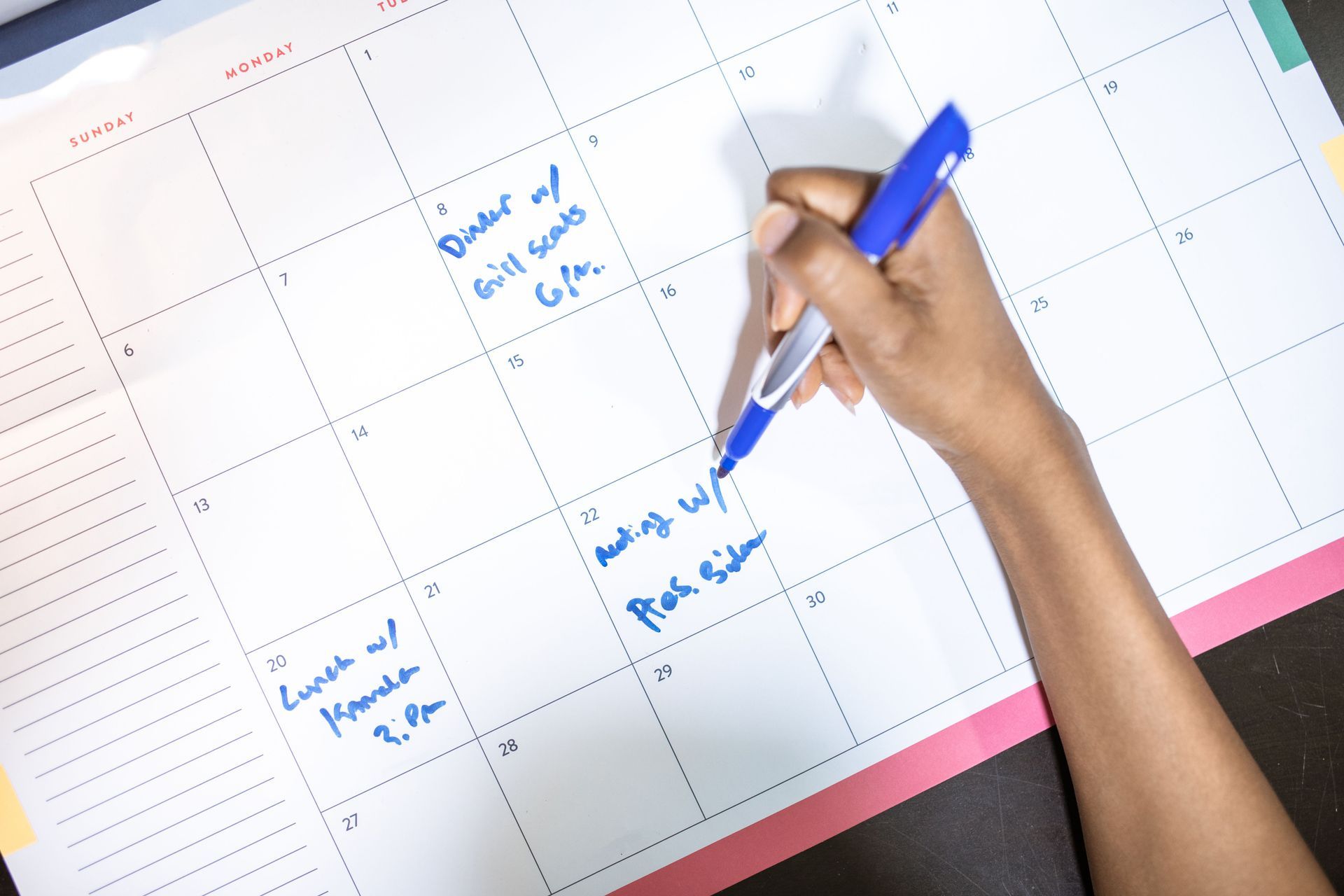
Setting Clear Objectives and Goals
This is paragraph text. Click it or hit the Manage Text button to change the font, color, size, format, and more. To set up site-wide paragraph and title styles, go to Site Theme.
Identifying and Understanding Your Target Audience
To craft an effective event strategy, it’s essential to gain a deep understanding of your target audience. Begin by gathering data on key demographics such as age, location, profession, and interests to identify who your attendees are. Use tools like registration forms, social media insights, and industry research to analyze trends and preferences that align with your event’s purpose. This data helps you recognize patterns and create profiles that inform decisions throughout the planning process.
Beyond demographics, consider behavioral insights to understand what motivates your audience. Look into past event attendance, preferred communication channels, and the types of experiences they value most. Engaging directly with potential attendees through surveys, focus groups, or informal conversations can provide additional context and highlight unmet needs or expectations.
Use this information to tailor event elements such as programming, marketing strategies, and on-site experiences to better resonate with your audience. For instance, offering breakout sessions on topics of interest or incorporating interactive elements can foster a sense of connection and relevance. Anticipating your audience's needs and preferences ensures your event feels intentional and well-suited to their expectations, ultimately driving engagement and satisfaction.
Early Budgeting and Resource Allocation
Creating a well-organized budget early is essential for keeping your event on track and ensuring resources are used effectively. Begin by identifying all potential costs associated with your event, including venue fees, catering, technology needs, and marketing efforts. Once expenses are outlined, divide them into categories based on their importance to the overall success of the event. This allows you to prioritize spending and allocate funds where they will have the greatest impact.
To maintain flexibility, it’s helpful to set aside a portion of your budget as a contingency fund. This can cover unexpected costs that arise during the planning process or the event itself. Regularly reviewing your budget throughout the planning stages will help you track spending and make adjustments if needed. Tools such as spreadsheets or event management software can simplify this process by organizing financial details in one place.
When allocating resources, consider the needs of your audience and the objectives of the event. Distributing funds thoughtfully ensures that key elements, such as attendee experiences and production quality, are well-supported. Collaboration with vendors and team members can also help identify cost-saving opportunities without compromising the quality of the event. Smart financial planning helps to create a balanced approach to meeting event goals.
Utilizing Technology and Innovation
Technology continues to shape the way events are planned and executed, offering solutions that can enhance both efficiency and attendee experiences. Incorporating tools like event management software simplifies tasks such as registration, scheduling, and communication, enabling planners to focus on other critical aspects of the event. Similarly, data analytics tools can help track attendee behavior, measure engagement, and provide actionable insights to refine strategies.
For in-person, virtual, and hybrid events, technologies like live streaming platforms and virtual meeting spaces expand reach and offer more inclusive participation opportunities. Event apps can serve as a central hub for attendees, providing features like personalized agendas, interactive maps, and instant updates. These tools also promote networking by connecting attendees based on shared interests or goals.
Interactive technologies, such as augmented reality and real-time polling, offer creative ways to engage participants during sessions or exhibits. These innovations create memorable moments and increase involvement by allowing attendees to interact with content in dynamic ways. Additionally, automating processes like ticketing and check-ins not only reduces wait times but also provides a seamless experience for attendees. By using technology thoughtfully, event planners can address logistical challenges while creating events that feel connected, engaging, and forward-thinking.
Creating Engaging Content and Experiences
Designing compelling content and experiences is a key part of ensuring your event leaves a meaningful impression on attendees. Focus on creating opportunities that encourage active participation, such as hands-on workshops, panel discussions, or networking sessions tailored to their interests. Consider incorporating diverse session formats to appeal to different learning styles, including interactive Q&A segments or breakout groups for smaller discussions.
Thematic elements can also enhance engagement by creating a cohesive atmosphere that resonates with the event’s purpose. Whether it’s through event design, branded visuals, or curated entertainment, aligning the content with your objectives strengthens the overall attendee experience.
Additionally, think about integrating opportunities for attendees to connect and share ideas. Social lounges, digital networking platforms, or peer-to-peer mentoring sessions can foster valuable interactions. Incorporating storytelling into presentations or panels can also create an emotional connection, making the content more impactful and relatable.
Tailoring these experiences to the needs of your audience ensures a sense of relevance while fostering stronger connections between attendees and the event’s goals.
Evaluating and Measuring Success
Tracking the outcomes of your event is essential for understanding its effectiveness and identifying areas for growth. Use the key performance indicators (KPIs) established during the planning phase to measure how well the event met its goals. Metrics such as attendee engagement, social media activity, and lead generation can provide valuable insights into what resonated with participants.
Feedback from attendees is equally important. Post-event surveys or interviews can uncover insights about their experiences, from what they found most valuable to what could be improved. Focus on both quantitative data, such as satisfaction ratings, and qualitative input, like open-ended responses, to gain a comprehensive view of the event’s impact.
Reviewing your event’s performance should also include an analysis of internal processes. Assess how well timelines were met, whether budgets were adhered to, and how effectively team communication supported overall execution. Taking the time to evaluate these operational aspects allows planners to refine their strategies and enhance efficiency in future projects. By combining attendee feedback with internal assessments, event planners can build on successes and address any gaps in future event strategies.
How can we help?
Crafting a high-impact event strategy for 2026 requires intentional planning, thoughtful execution, and a focus on your event’s unique goals. By leveraging data-driven insights, embracing innovative tools, and aligning your efforts with the needs of your audience, you can create experiences that resonate deeply and drive meaningful outcomes. It’s also crucial to remain adaptable, integrating feedback and assessing performance to continually refine your approach.
As you look ahead to 2026, consider how you can start laying the foundation for your events today. The right preparation now can ensure you’re well-positioned to navigate future challenges and opportunities. Whether it’s defining clear objectives, optimizing your budget, or exploring creative engagement strategies, taking proactive steps will set your events up for success.
Ready to elevate your event strategy and achieve your vision? National Event Connection is here to help you plan and execute with confidence.
Reach out today to discover how we can support your 2026 event goals!
Enjoyed this article? Discover more on our Event Production Blog.