What “Experience-First” Really Means in Event Planning
In today’s crowded event landscape, simply hosting a well-organized event is no longer enough. Attendees expect more than timelines, programming, and polished visuals, they want to feel something. This shift has led to the rise of experience-first event planning, an approach that prioritizes emotional connection, immersion, and storytelling at every stage of the event.
For event planners, experience-first doesn’t mean bigger budgets or over-the-top activations. It means being intentional. It means designing moments that resonate emotionally and creating environments that invite attendees to be present, engaged, and connected. This guide breaks down what experience-first truly means and how planners can apply it to create events that feel memorable long after they end.
Key Highlights
- Experience-first event planning focuses on emotional impact, not just logistics
- Every touchpoint—from arrival to exit—should feel intentional and connected
- Immersive environments drive stronger engagement and memory retention
- Emotional design helps events feel personal, meaningful, and shareable
- Successful events are built like journeys, not schedules
What Does “Experience-First” Really Mean?
Experience-first event planning starts with a simple question: How do we want attendees to feel? Instead of beginning with logistics or layouts, planners start with emotion and work backward.
An experience-first event:
- Is designed around human behavior and emotional response
- Considers the attendee journey as a continuous narrative
- Uses environment, sensory elements, and pacing to shape perception
- Prioritizes moments of connection over sheer volume of activity
Rather than treating decor, lighting, programming, and flow as separate components, experience-first planning weaves them together to support a unified emotional outcome.
Designing the Attendee Journey From Start to Finish
Every event tells a story whether intentionally or not. Experience-first planners take control of that story by mapping the full attendee journey.
1. Anticipation Before Arrival
The experience begins before guests ever step on-site. Pre-event communication, registration flow, and even confirmation emails set expectations and tone. Clear, thoughtful messaging builds excitement and reduces friction.
Consider how visuals, language, and timing can align with the emotional goal of the event. A high-energy product launch may build anticipation through bold visuals and short-form messaging, while a gala or fundraiser may focus on warmth, purpose, and storytelling.
2. First Impressions Matter
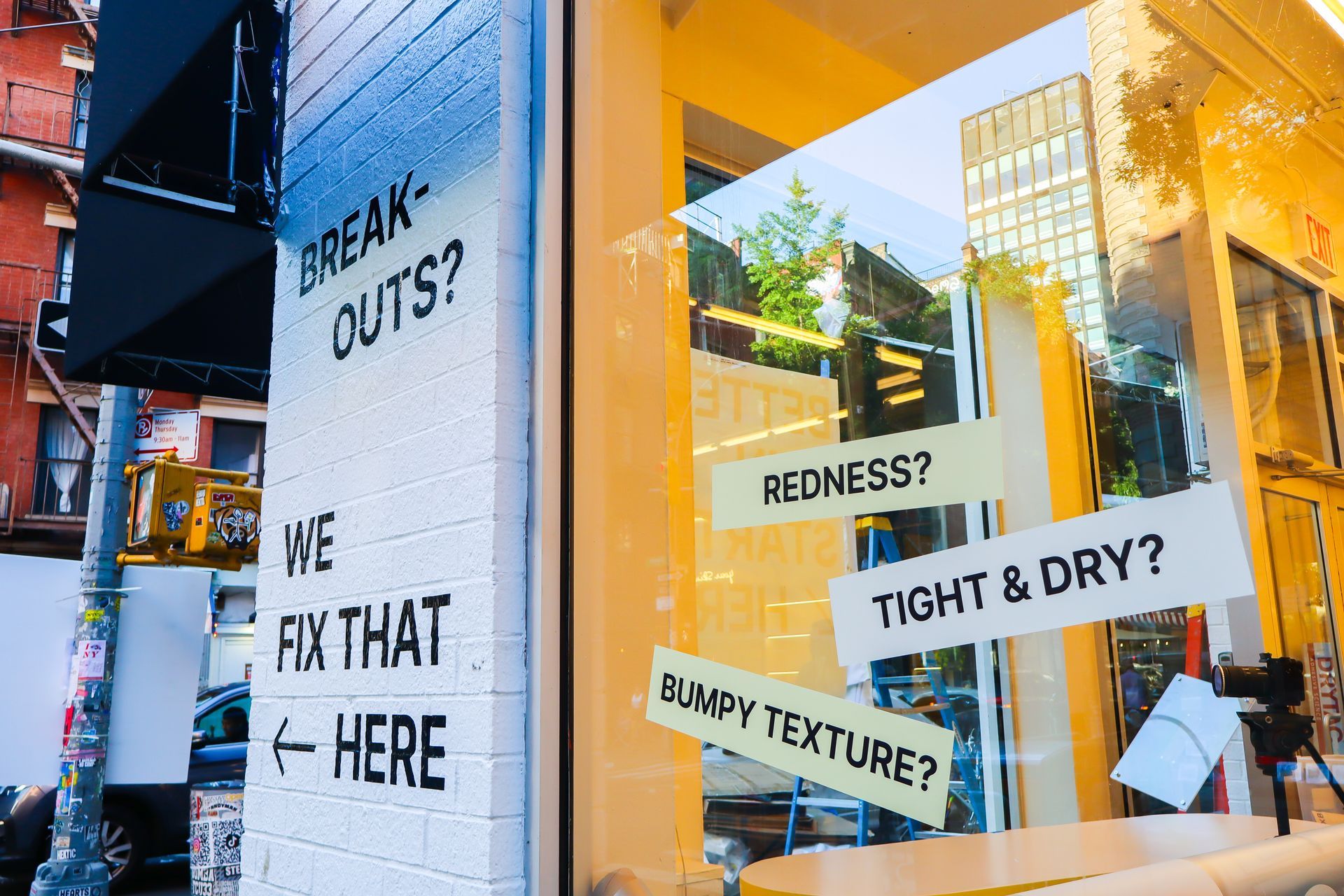
The initial arrival is one of the most emotionally impactful moments of any event. Wayfinding, entrances, lighting, and all around wow-factor all contribute to how attendees feel in the first few seconds.
An experience-first approach ensures arrivals feel welcoming, intuitive, and intentional. This might include:
- Clear, aesthetically pleasing signage
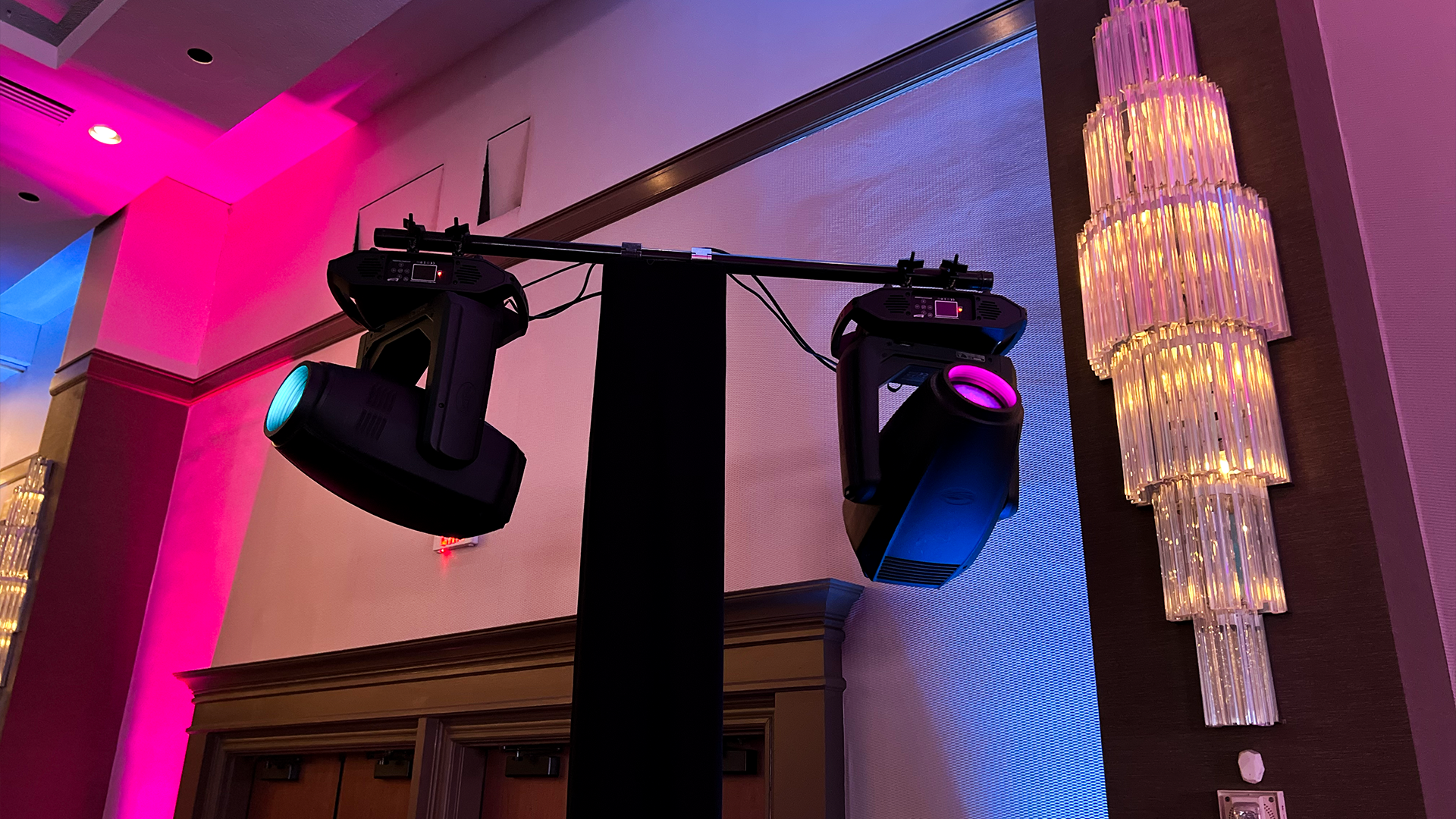
- Lighting that sets the mood immediately
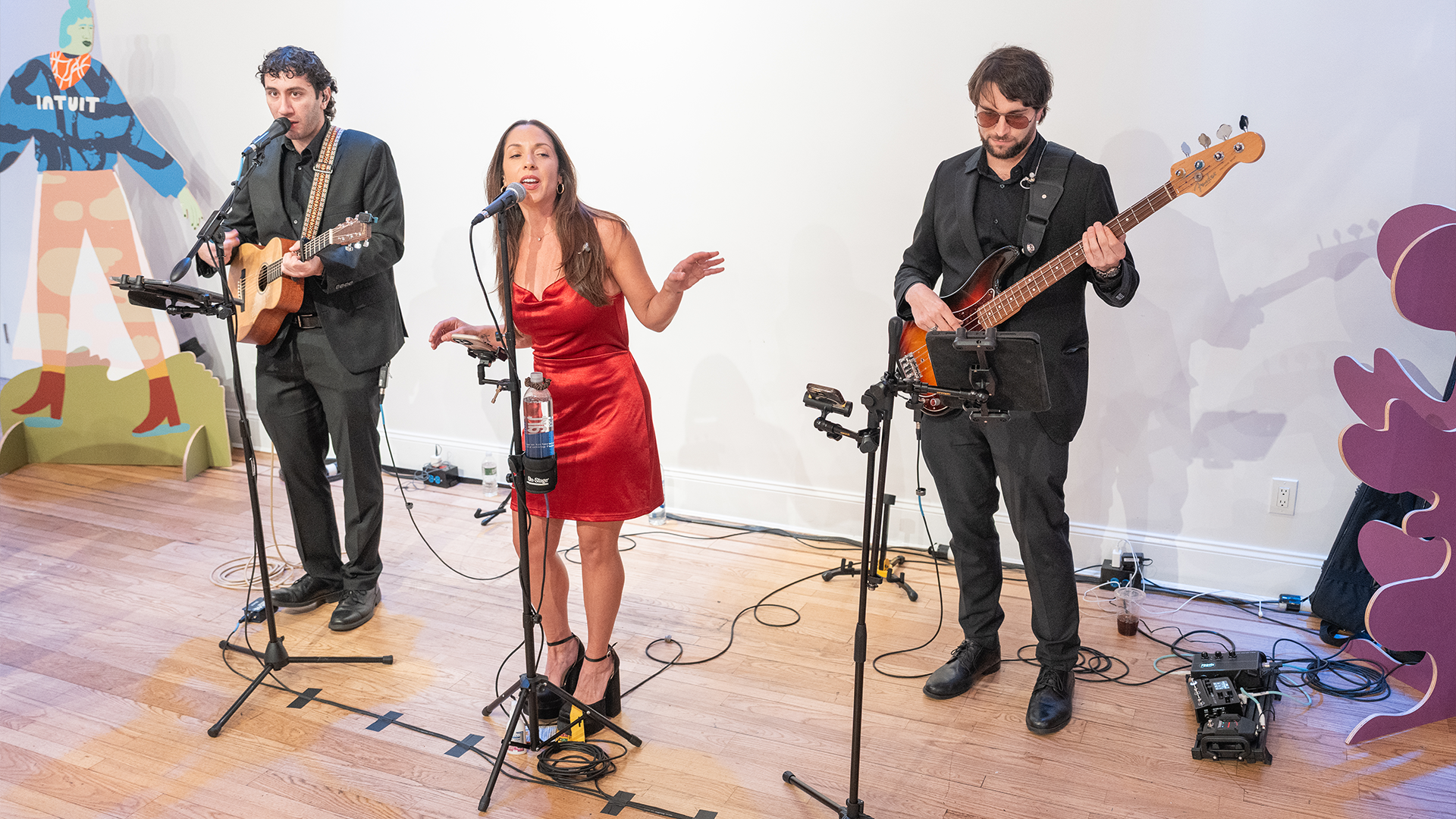
- Music or ambient sound that signals energy or calm
These elements work together to communicate, “You’re in the right place.”
3. Immersion During the Event
Immersion is created when attendees forget they are being “managed” and instead feel fully present in the environment. This comes from consistency and flow.
Key considerations include:
- Seamless transitions between spaces or segments
- Environmental design that supports the event’s theme or purpose
- Thoughtful pacing to avoid fatigue or overwhelm
Immersion doesn’t require constant stimulation. Sometimes, giving attendees space to reflect, connect, or pause is just as powerful.
4. Meaningful Moments of Connection
Emotionally driven events prioritize moments that feel personal. These can be:
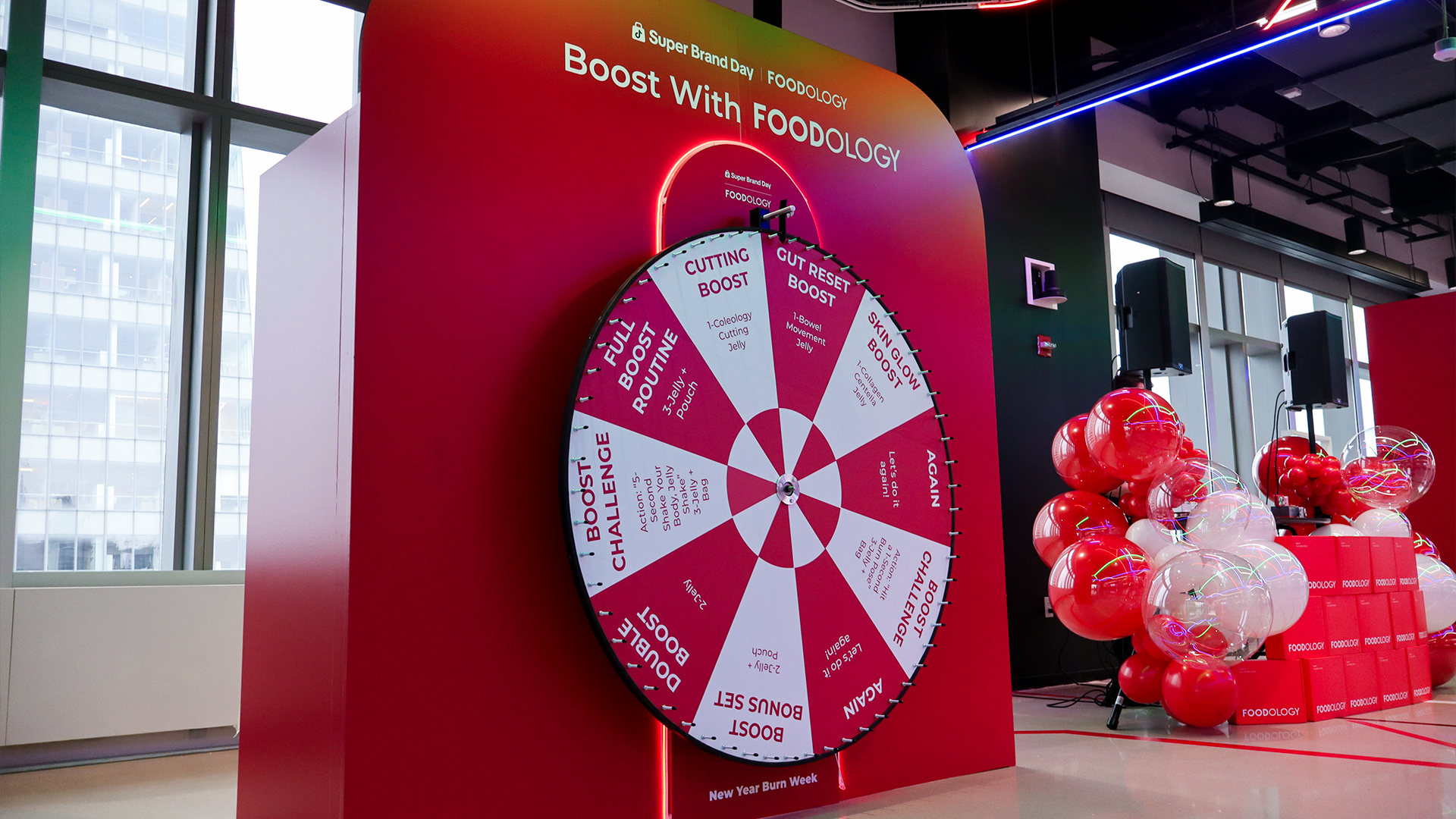
- Interactive installations
- Opportunities for peer-to-peer engagement
- Quiet spaces designed for reflection
- Story-driven programming that highlights real people and impact
When attendees feel seen and included, they are more likely to engage authentically—and remember the experience.
5. A Strong, Intentional Exit
The final moments of an event often determine how it’s remembered. A thoughtful closing moment, whether it’s a visual cue, final message, or takeaway, helps bring the journey full circle.
Experience-first planning ensures attendees leave with clarity, emotion, and a sense of completion rather than confusion or fatigue.
Using Emotional Design to Drive Engagement
Emotional design is the practice of intentionally shaping how people feel through physical space, sensory elements, and interaction.
Sensory Elements That Matter
- Lighting: Influences mood, focus, and energy levels
- Sound: Reinforces emotion and helps guide movement
- Texture & Materials: Add depth and realism to environments
- Color: Evokes specific emotional responses
When these elements align with the event’s purpose, they create an environment that feels cohesive and intentional.
Storytelling Through Space
Instead of telling attendees what the event is about, experience-first planners show them. Scenic environments, branded moments, and interactive elements can all support storytelling without overwhelming guests.
Each space should answer the question: Why does this exist, and how does it make the attendee feel?
Measuring Success Beyond Attendance
Traditional event metrics like attendance numbers and run-of-show execution don’t fully capture emotional impact. Experience-first events look at engagement-based indicators such as:
- Time spent in spaces
- Participation in interactive elements
- Social sharing and post-event conversation
- Qualitative feedback around how the event felt
When attendees describe an event as inspiring, immersive, or meaningful, that’s a strong indicator of experience-first success.
Common Mistakes to Avoid
Even well-intentioned events can miss the mark if experience isn’t prioritized holistically. Common pitfalls include:
- Overloading agendas without considering energy levels
- Treating décor as an afterthought rather than a storytelling tool
- Designing for aesthetics without functionality
- Ignoring transitions between moments
Experience-first planning requires a balance between creativity and clarity, stimulation and comfort.
Experience-First Is a Mindset, Not a Trend
At its core, experience-first event planning is about empathy. It asks planners to step into the attendee’s perspective and design with intention at every level.
When events are built around emotion, they become more than gatherings. They become stories attendees remember, talk about, and want to return to long after the event has concluded.
Enjoyed this article? Discover more on our Event Production Blog.