From Load-In to Load-Out: A Sample Timeline of a Live Event Day
When guests walk into a finished event space, they see lighting, sound, decor, and energy all working together seamlessly. What they don’t see is the planning, coordination, and technical execution that started weeks (sometimes months) earlier.
For any event planner, event management company, or destination management professional, understanding what happens behind the scenes is key to producing a smooth, stress-free event. This sample timeline breaks down a typical live event day from load-in to load-out, while also highlighting the critical pre-event steps that make everything possible.
Whether you’re planning a corporate event, campus experience, brand activation, or large-scale celebration, this overview pulls back the curtain on what a professional event production company is managing long before doors open.
Site Visit and Pre-Event Steps: Where Event Management Begins
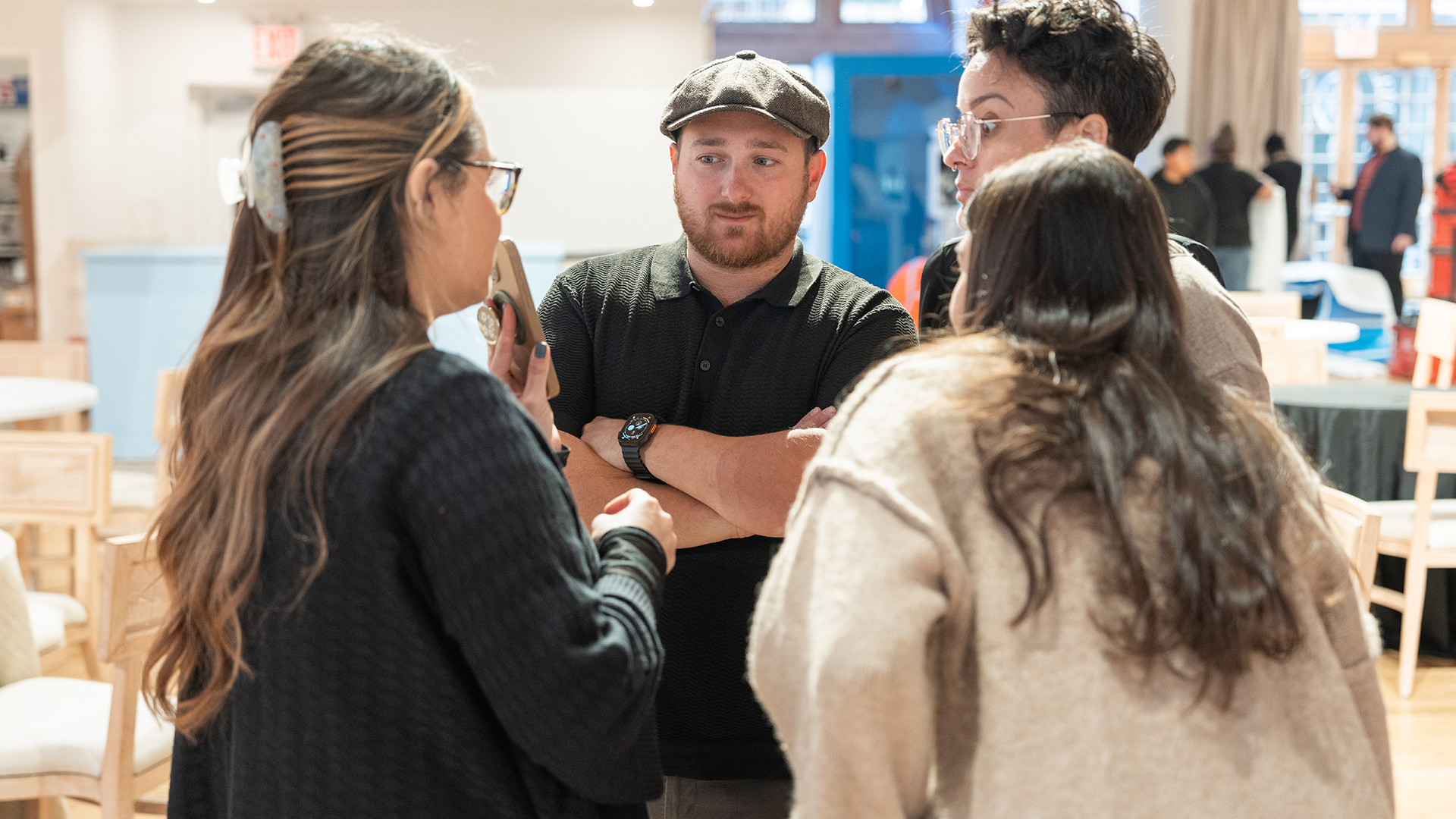
Before a single truck is loaded or a crew member arrives on site, the event management process is already well underway. A site visit is one of the most important steps in pre-production. Walking the venue with the client allows everyone to visualize the event together while addressing practical details that impact execution. This includes taking measurements for floor plans, identifying power sources and availability, confirming ceiling heights, understanding load-in paths, reviewing parking and freight elevator access, and clarifying venue rules.
From there, the behind-the-scenes work accelerates:
- Floor plans and layouts are drafted
- Decor and scenic elements are produced
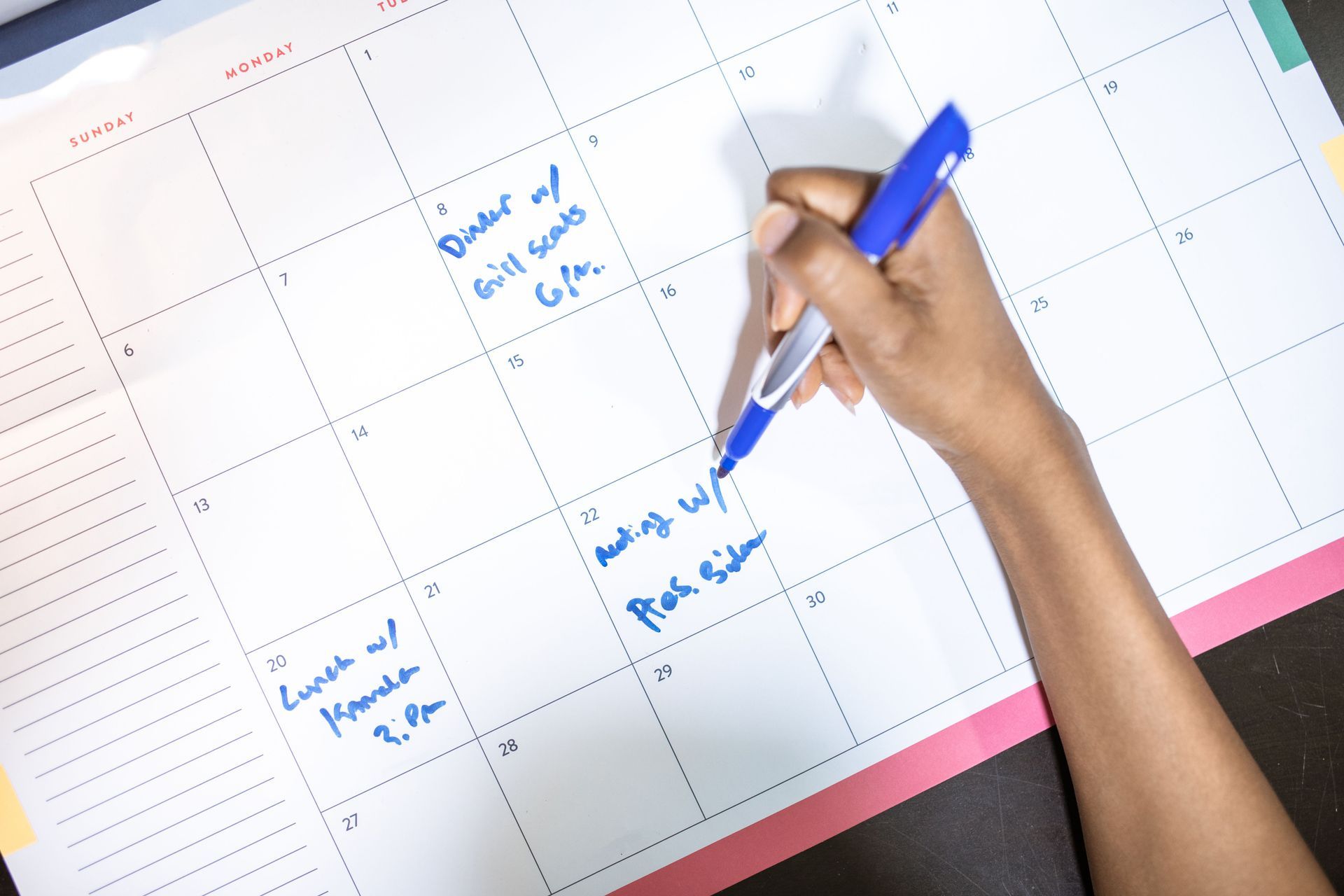
- Timelines and run-of-show documents are written
- Pull sheets and equipment lists are finalized
- Staffing is scheduled
- Trucks are packed strategically
- Communication flows between vendors, venues, and clients
By the time event day arrives, the goal is simple: nothing should feel rushed or improvised. Strong event management is built on preparation.
Arrival and Load-In: Setting the Day in Motion
Once pre-production is complete, the big day arrives. At this point timing becomes everything.
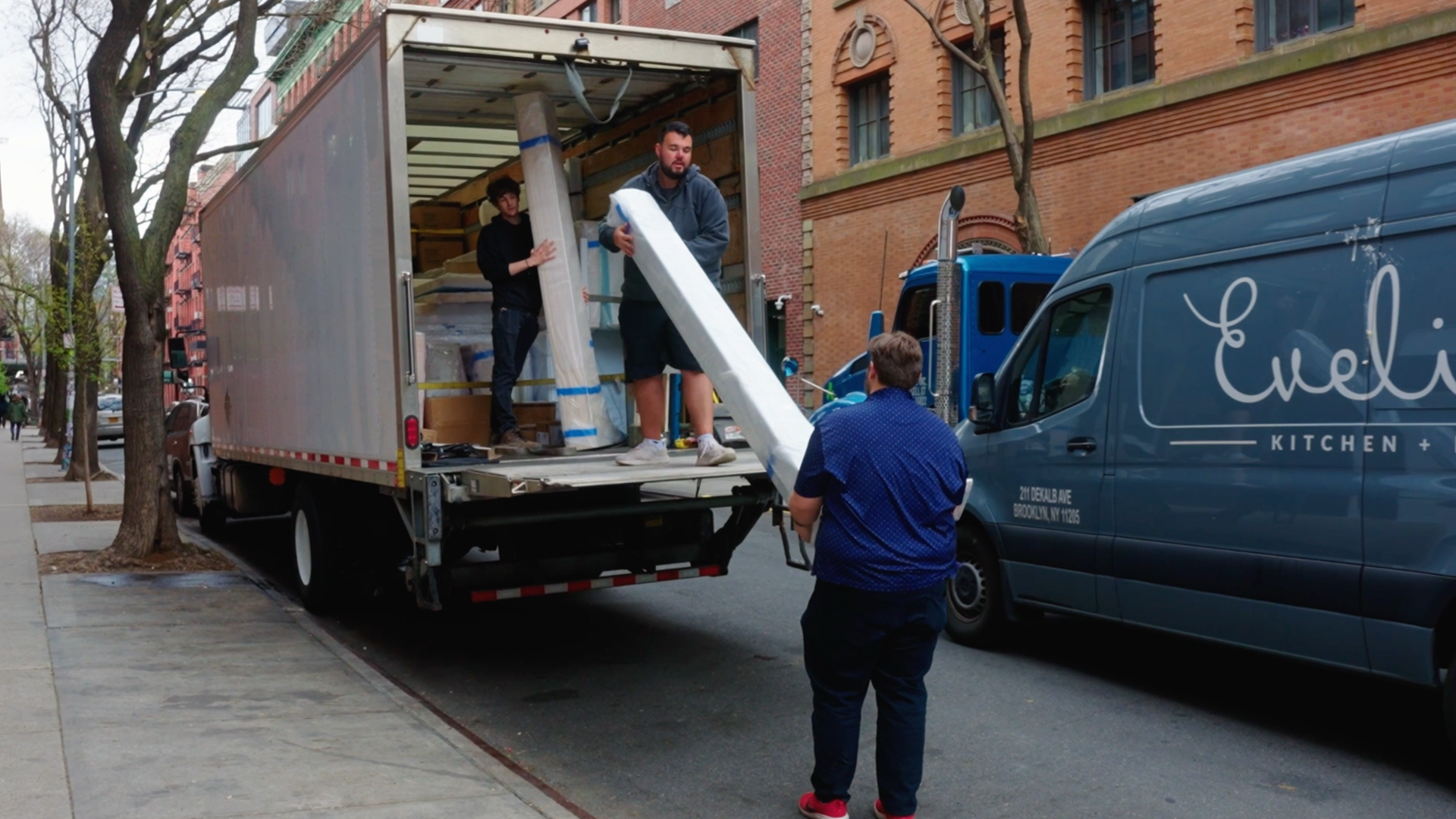
Arrival times are carefully planned based on venue access, the size of the event, the amount of equipment, and the number of crew members on site. Depending on the size of the event, it can require only a single truck and a small team, or involve multiple trucks, staggered arrivals, and coordinated dock schedules. The first priority is organizing access to the loading dock or designated entry point. Clear communication and efficiency here set the tone for the entire day. A smooth load-in keeps crews focused, protects equipment, and prevents delays that ripple through the timeline.
Checking In with the Client and Venue Team
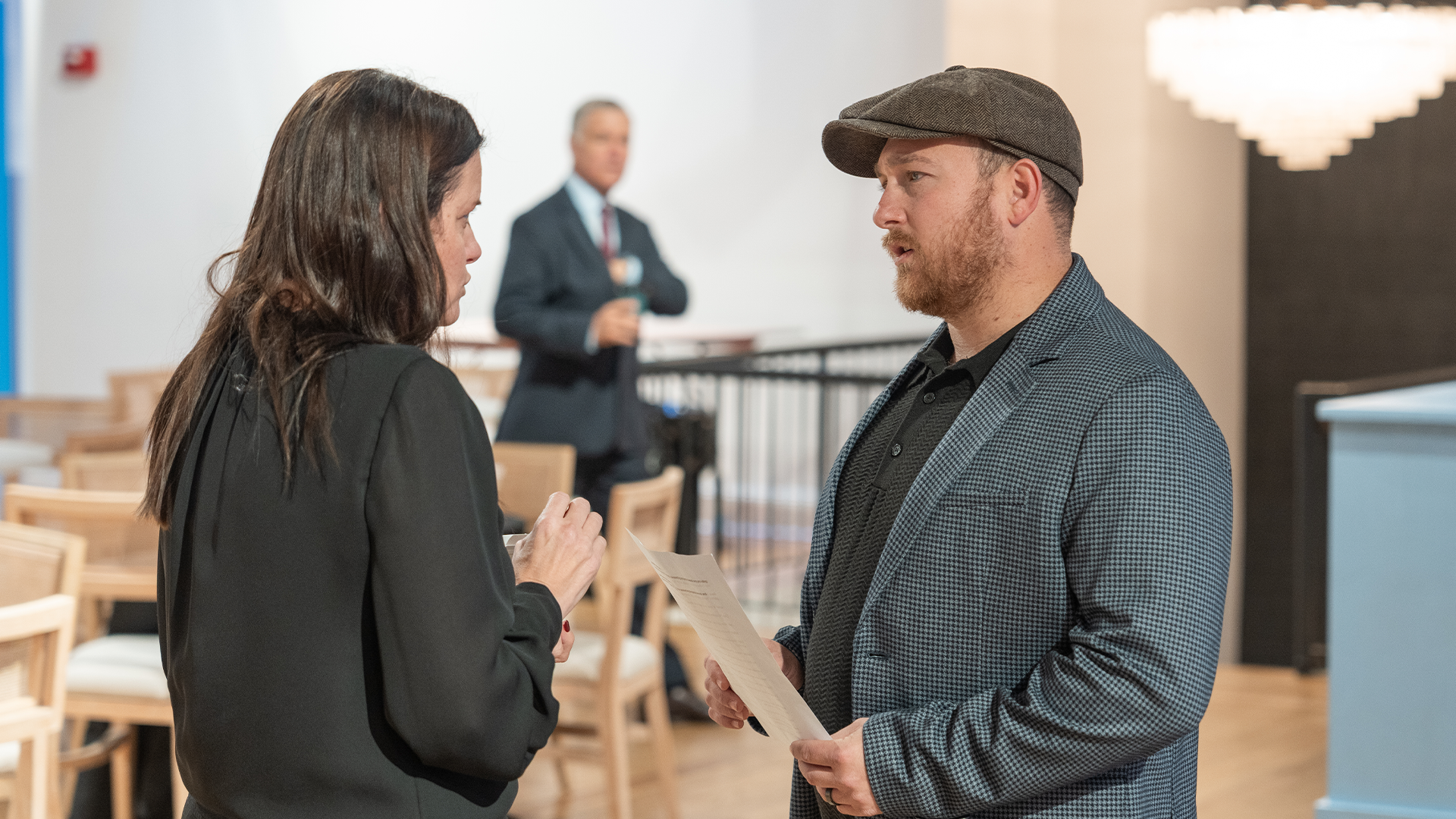
While crews begin unloading and staging equipment, the project manager checks in with the client (if present) and the venue manager. This is a key moment in the event management company’s role. Open communication is critical at this stage. It helps reduce stress, builds trust, and ensures that everyone feels supported as the day unfolds, especially the client. Reviewing the plan together ensures alignment on timing, expectations, and any last-minute considerations. This is a very fast paced environment with many moving parts so it's important to remember, you're all a team here.
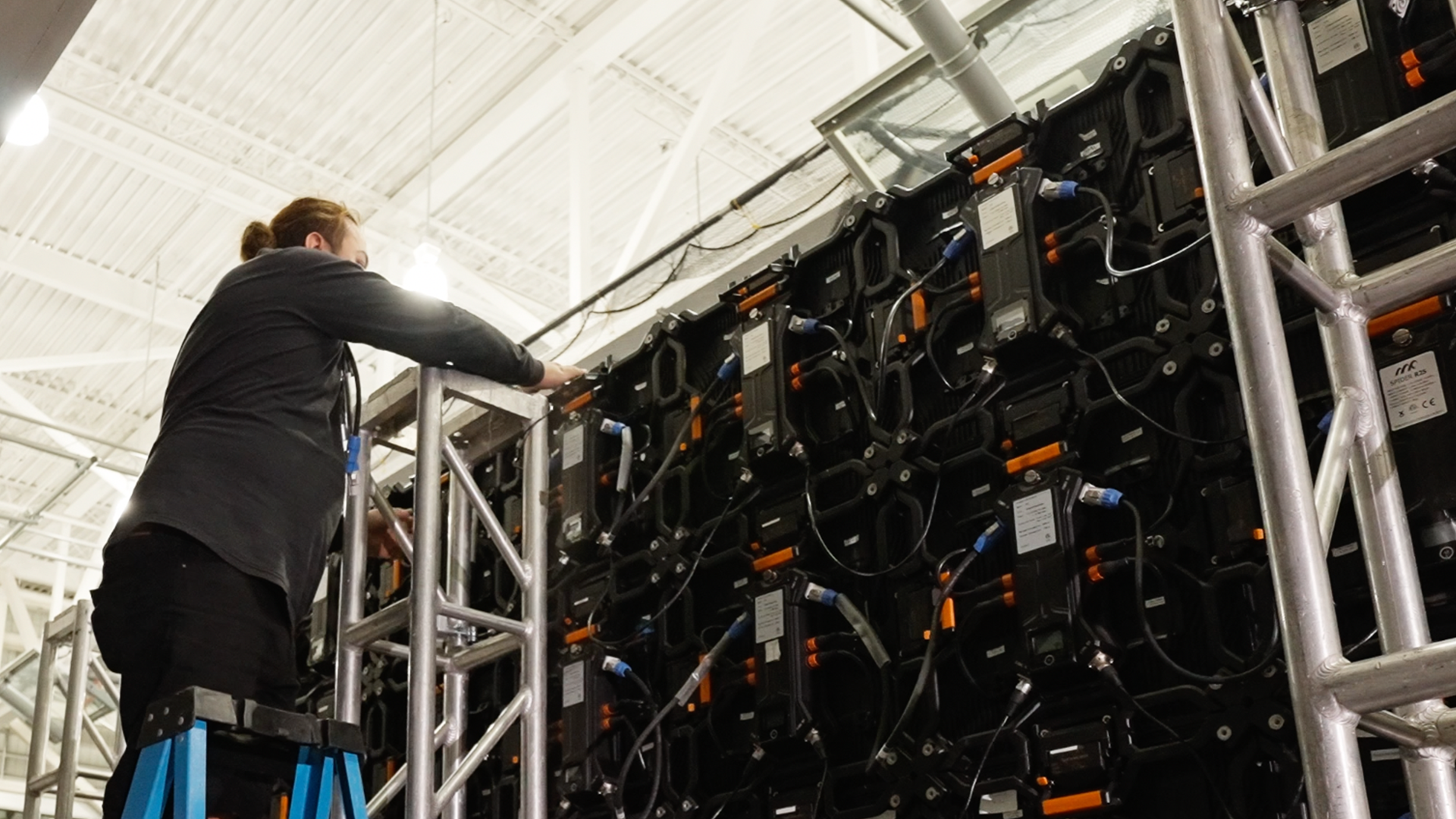
Technical Setup: Focused Teams, Coordinated Execution
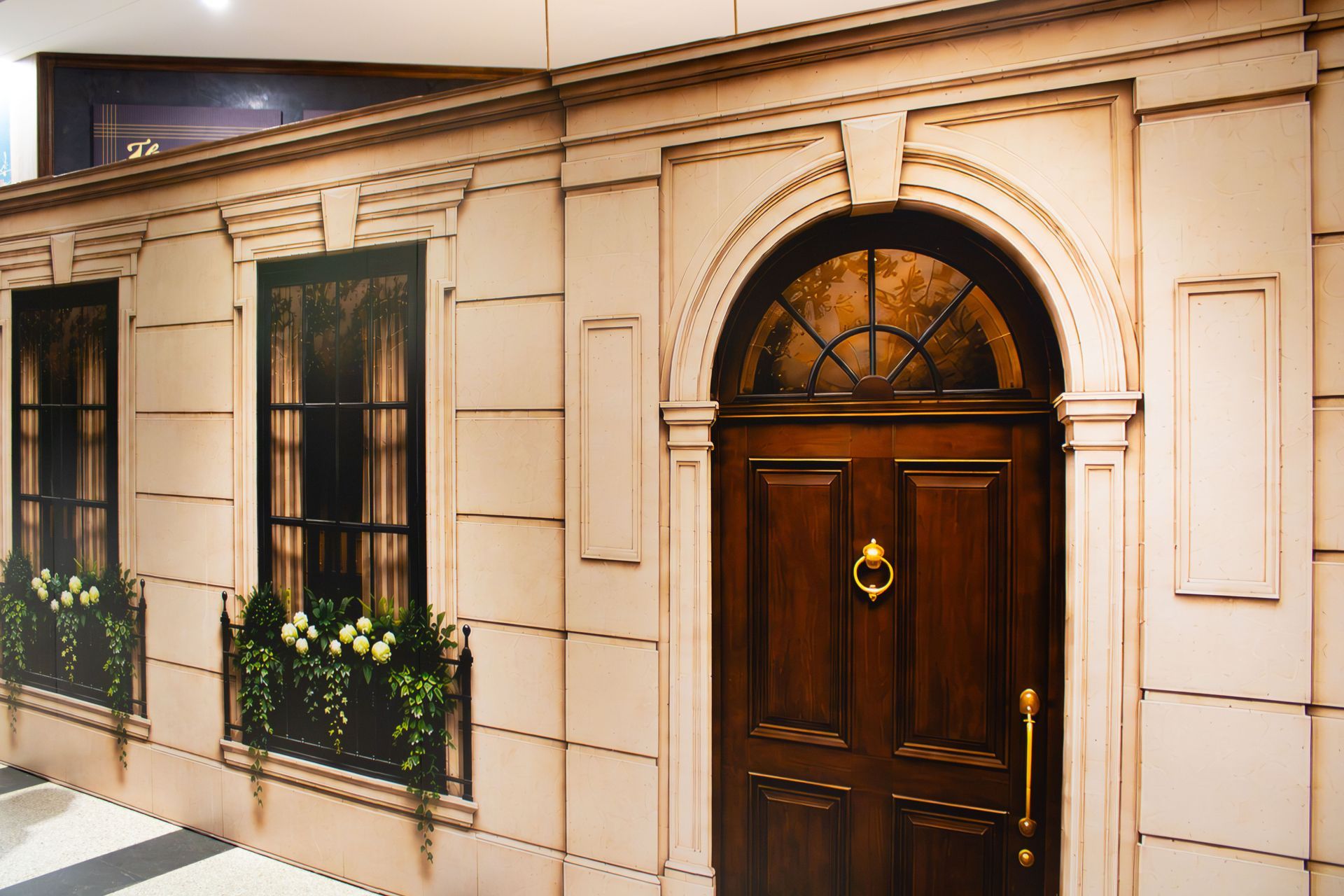
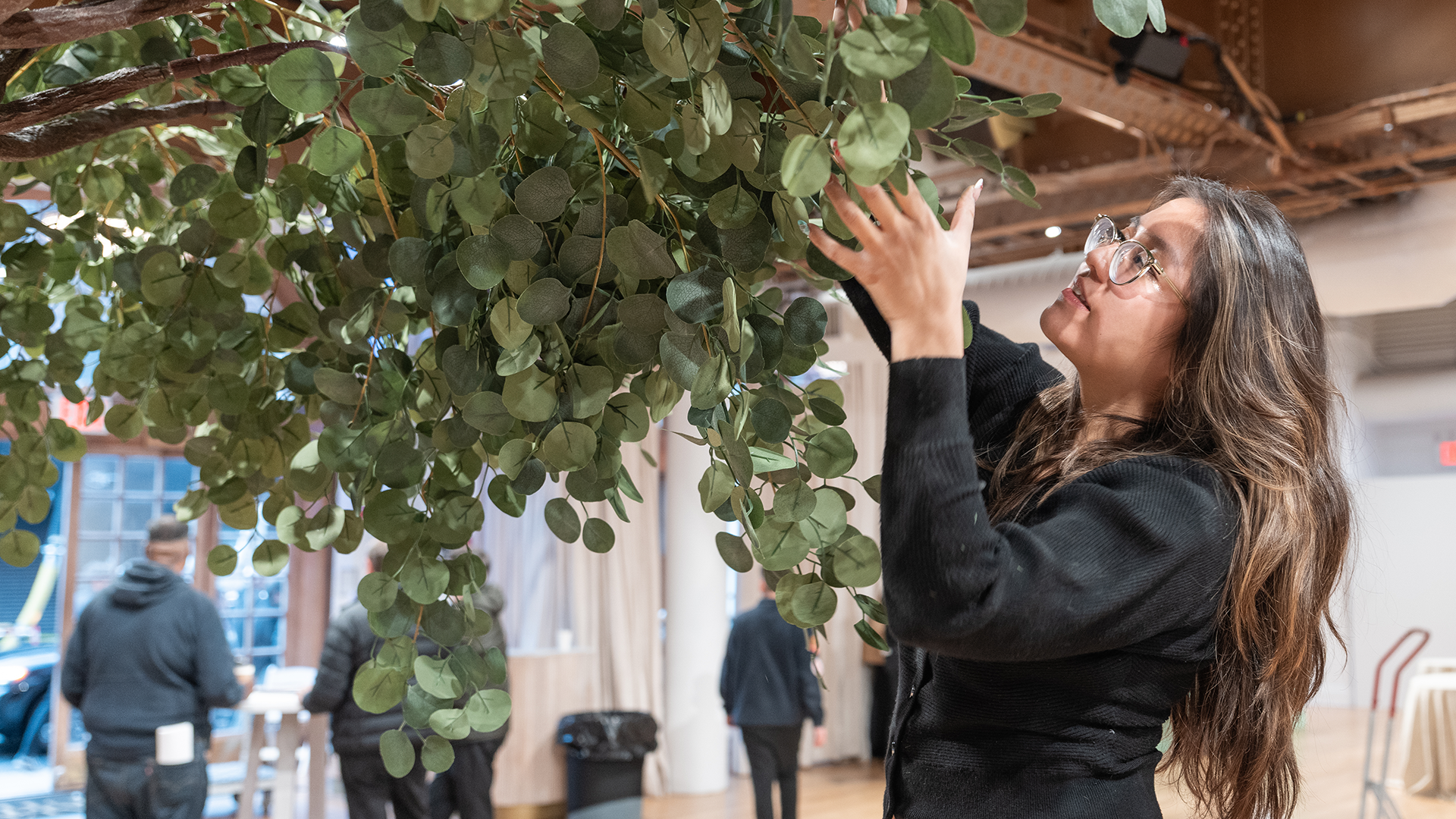
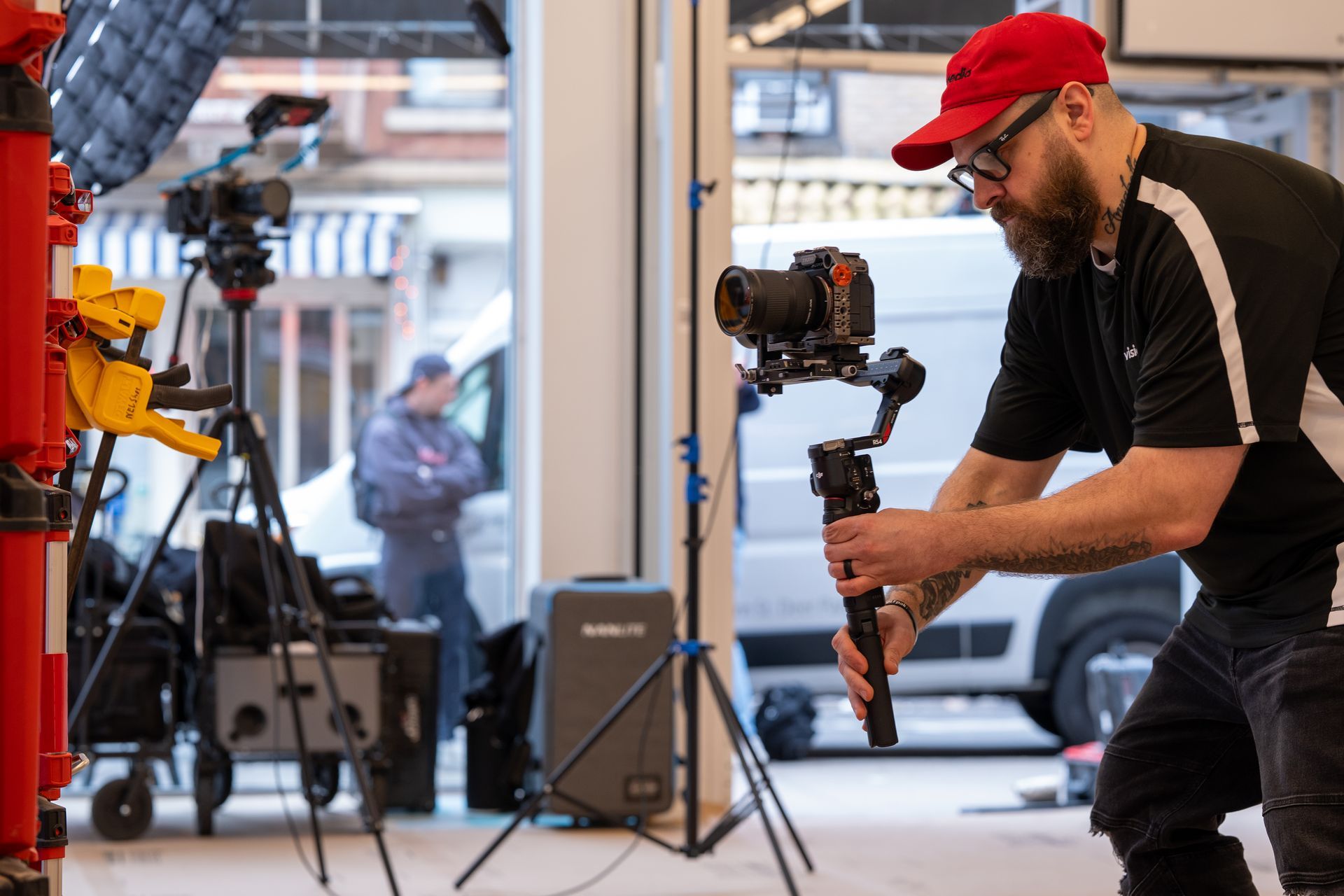
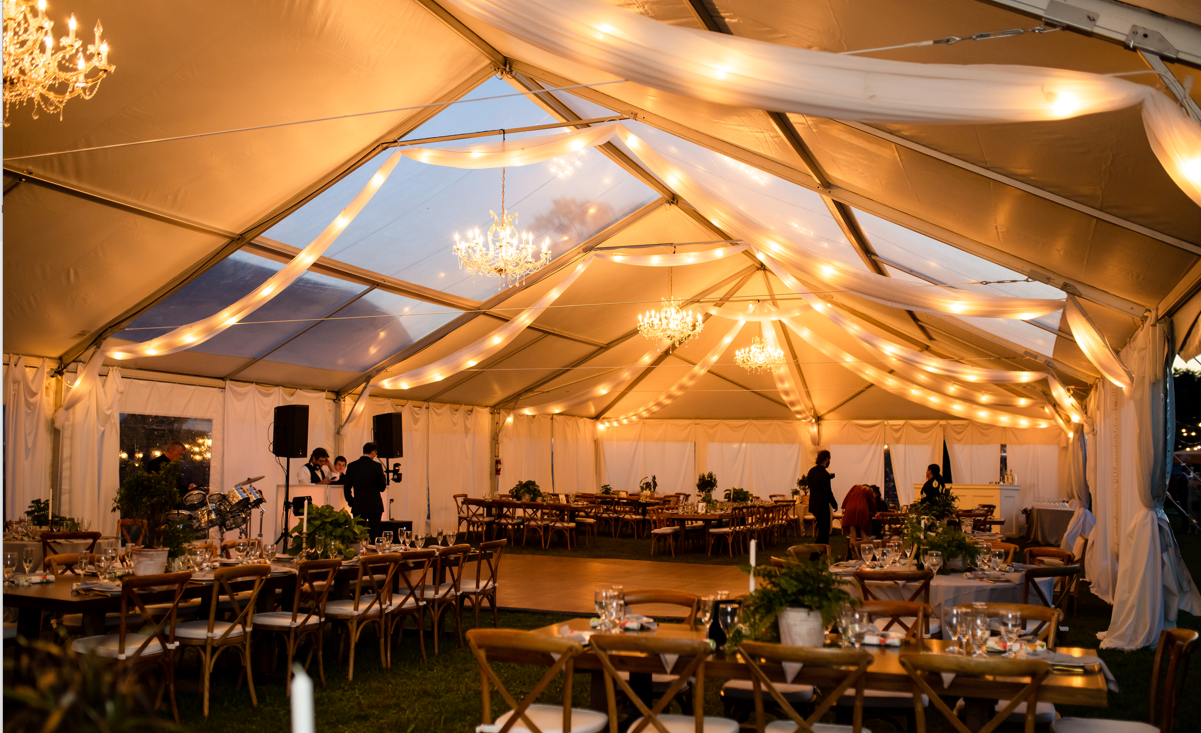
Once everything is inside the venue, the production team divides into specialized groups, each with a clear objective. Everyone knows their specialized role beforehand and is ready to get started as soon as load-in is complete.
This often includes:
- A staging or scenic team
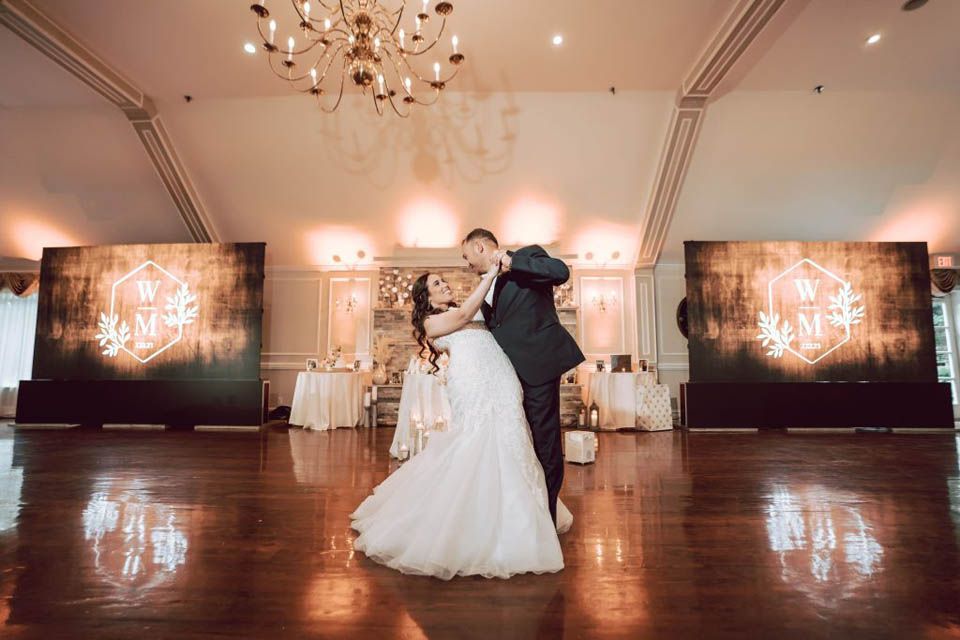
- Video wall or projection technicians
- Audio and lighting technicians led by a lead tech
- Installation teams led by a head carpenter or supervisor
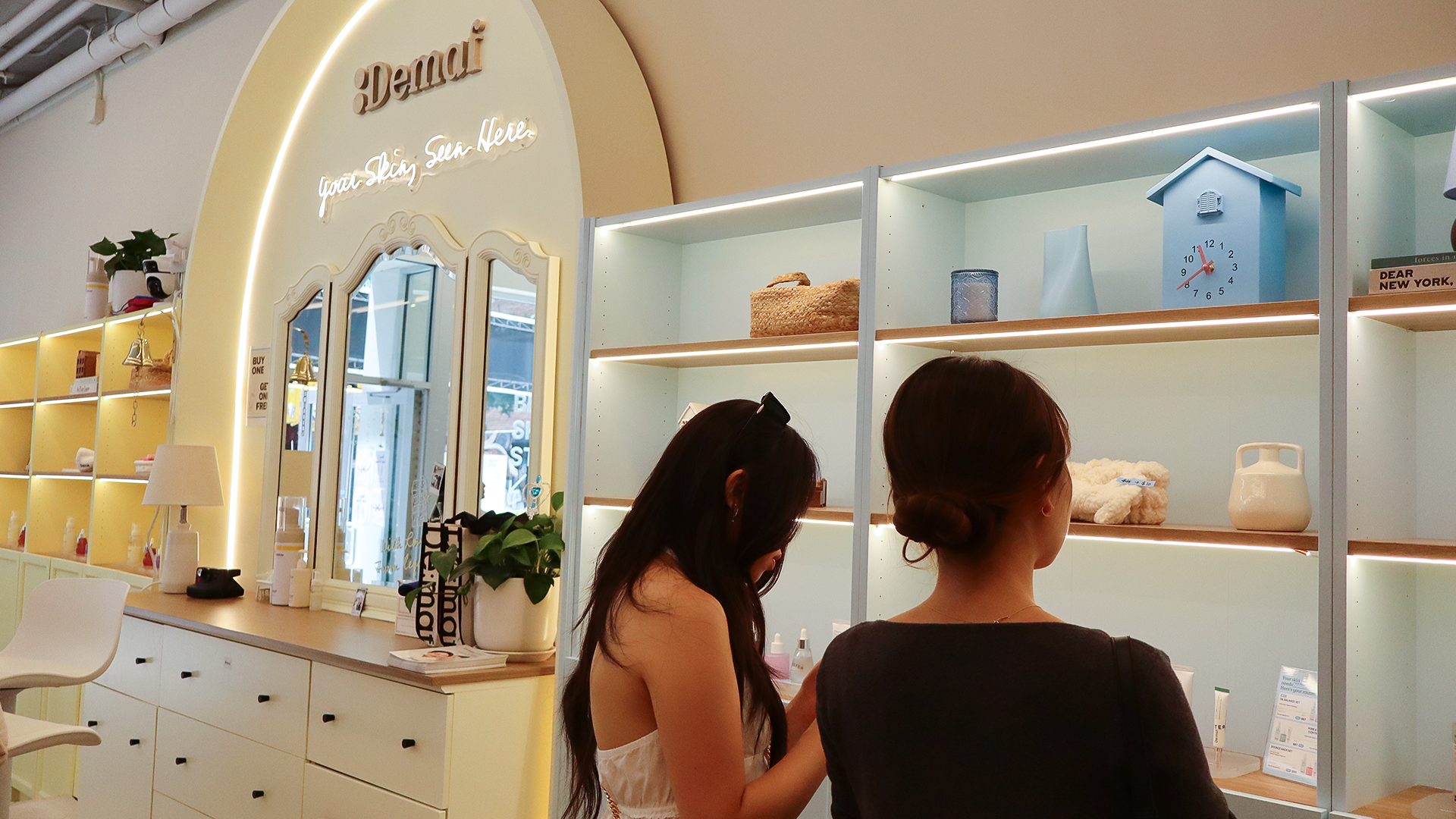
- Support staff handling furniture, activations, and game setups
Each group works both independently and in sync with the others. The project manager moves between teams, tracking progress, solving issues, and keeping communication flowing between teams as well as with the client and venue. This is where a seasoned event production company makes a difference. When every department understands the plan and someone is efficiently managing timelines and communication, the room comes together efficiently and safely.
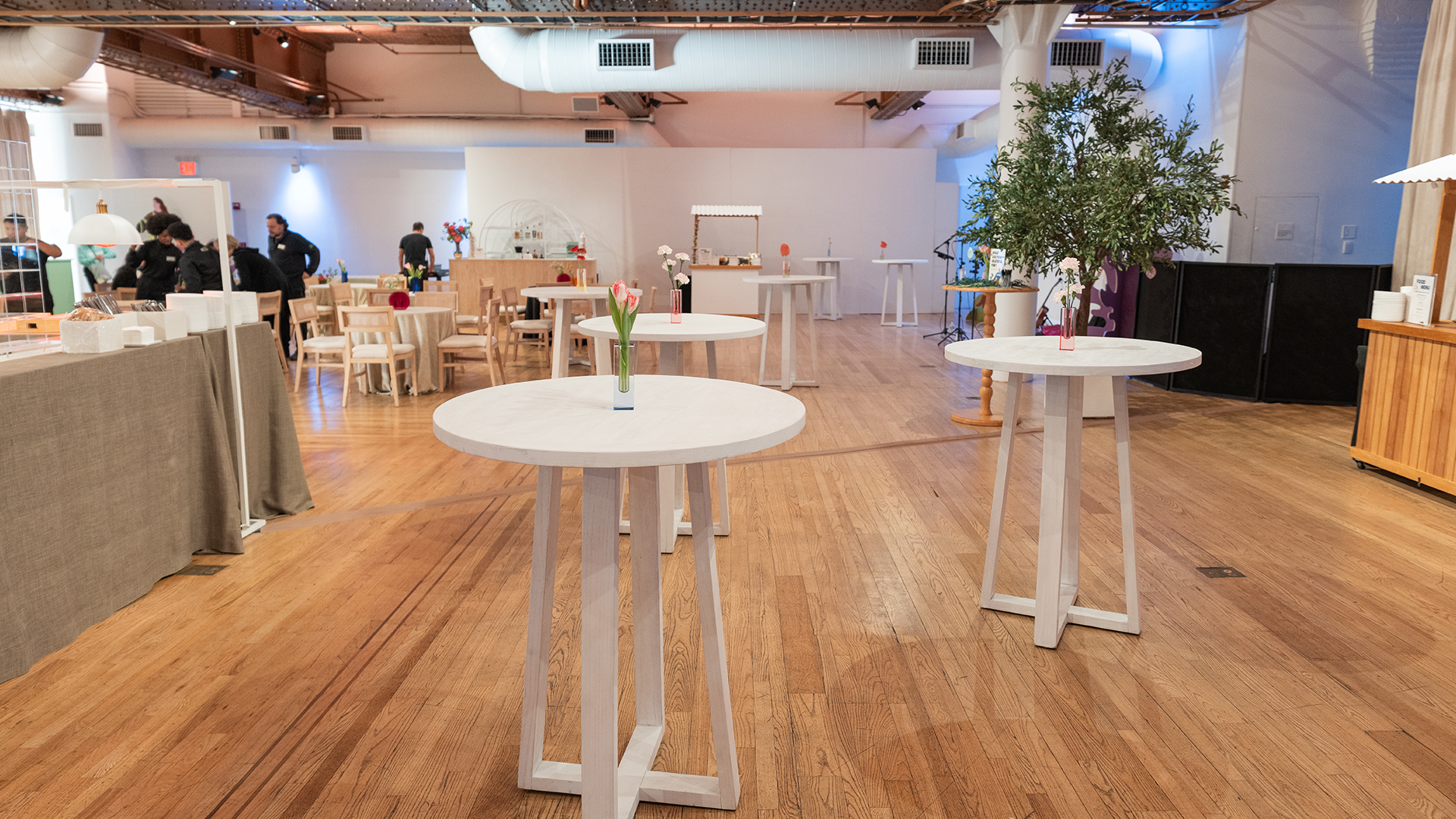
Final Checks: Testing, Walkthroughs, and Quality Control
Once the build is complete, it’s time for final checks. This includes technical testing such as sound checks, lighting cues, content playback, and testing interactive elements like games or photo activations. Visual checks are just as important; Reviewing decor placement, furniture alignment, signage, and overall presentation with the client is crucial to do before the event starts.
Whenever possible, the client is brought into the space for a walkthrough. This ensures transparency and gives them confidence that everything is ready. If there’s a formal run of show, the project manager and technicians review it together along with any performers and the client, confirming cues and transitions.
Take a Breather & Prepare for Show Time
With the setup complete and doors not yet open, there’s often a brief pause. This moment matters. A well-planned event allows the crew time to eat, reset, and prepare mentally for show time. When teams aren’t rushing, they’re more focused, more responsive, and better equipped to support the event once guests arrive. This can also give the project manager free time to chat and further build a rapport with the client and venue, all important details in building lasting professional relationships.
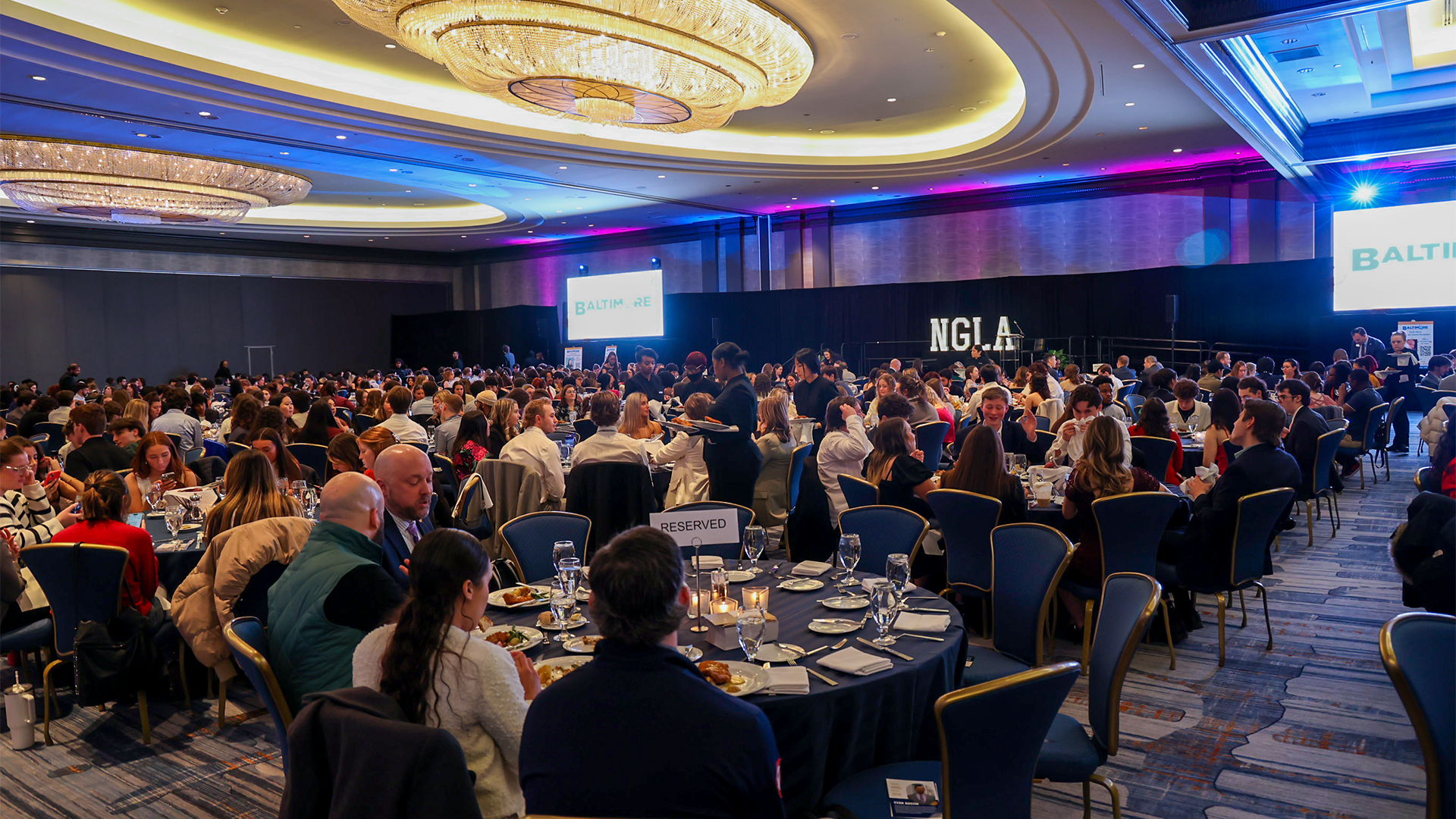
Doors Open: Show Time Begins
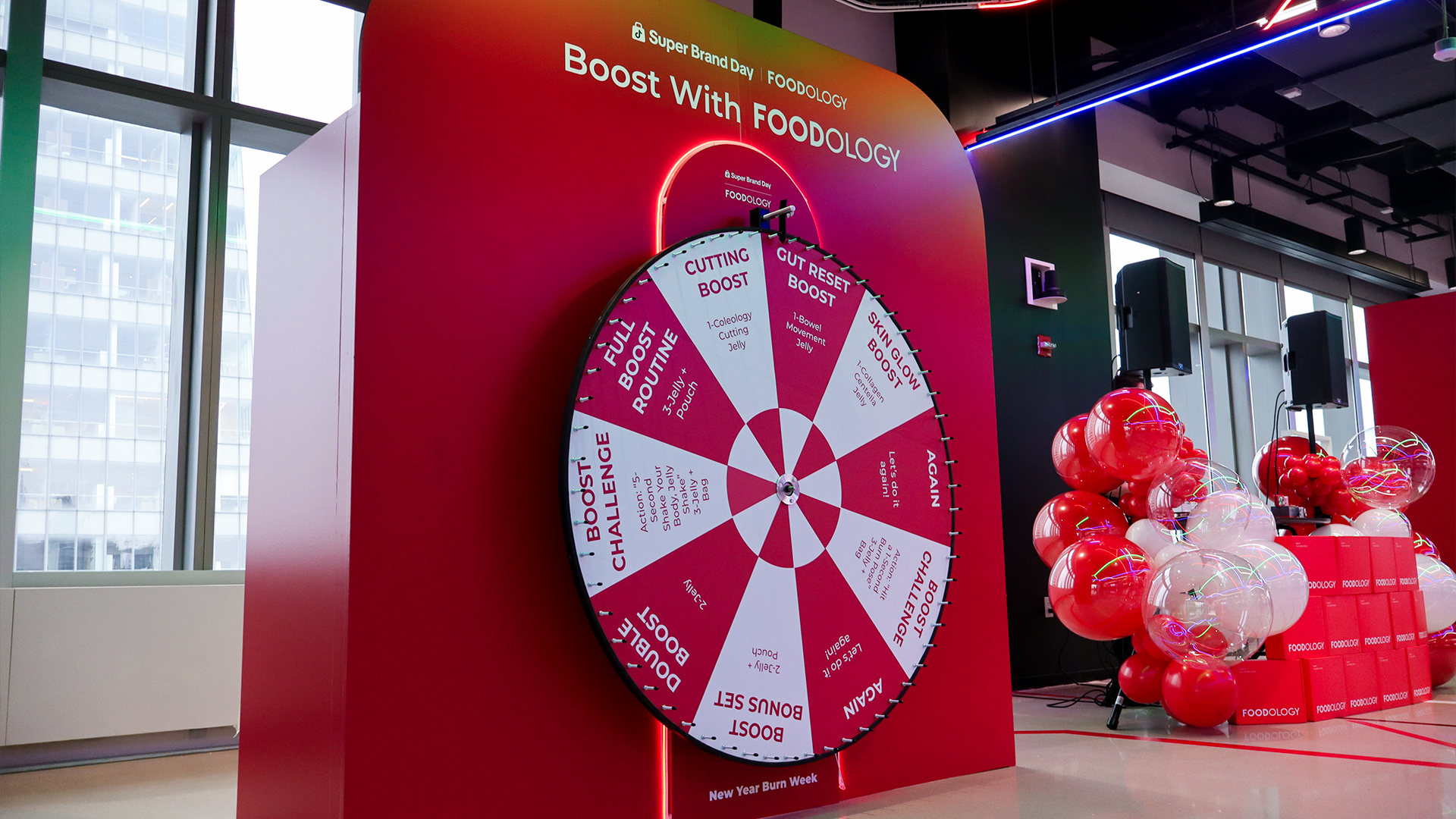
When doors open, the event officially begins and every role shifts into live-event mode. Technicians are at their stations. Talent and performers are in position. Attendants manage activations, photo moments, and guest flow. The project manager monitors the timeline, marking key moments such as speeches, performances, food service, or transitions. This is where preparation pays off.
Strong event management keeps everything moving while allowing space to adapt if something changes in real time.
Breakdown and Client Check-In
Just as the work doesn't only begin when the event begins, it doesn't end when the event ends either.
Fortunately, the most stressful part of the project is over! At this point the room is vacated of all guests, equipment is powered down, disassembled, and loaded back into trucks according to plan. At the same time, the project manager checks in with the client to make sure they’re happy with how everything went.
Taking the time to thank the client and acknowledge the importance of their event and future events reinforces professionalism and trust.
Recap and Follow-Ups
Even after the trucks are unloaded and gear is back in the warehouse, the work isn’t quite done yet.
The following week, the internal team meets to review the event, discuss what went well, or not so well, and note any lessons for future projects. Clients are also contacted to say thank you, gather feedback, and close the loop on the experience. This reflection process is a key part of continuous improvement for any event planner or event management company. If you have a focus on growth and improvement, success will follow.
Bringing It All Together
From the first site visit to the final follow-up email, producing a live event is a layered process that relies on planning, coordination, and trust. What guests experience in a few hours is the result of weeks or months of preparation and a tightly run event day timeline.
If you’re looking for an event production company that understands every phase of event management, from load-in to load-out, NEC is here to help guide the process and keep your event running smoothly. Reach out to learn how our team can support your next event with clarity, organization, and confidence. We look forward to making your next event unforgettable for all the right reasons.
Enjoyed this article? Discover more on our Event Production Blog.