The Key to Successful Event Fabrication
Understanding Event Fabrication
Material Selection
Selecting materials for an event requires a balance of creativity, practicality, and purpose. The right materials not only define the visual appeal of the space but also contribute to its functionality and comfort. When determining what to use, it’s important to assess factors like durability, weight, and ease of installation, as these will influence the logistics of setup and breakdown. Additionally, consider how materials will perform under specific conditions, such as outdoor weather or heavy foot traffic.
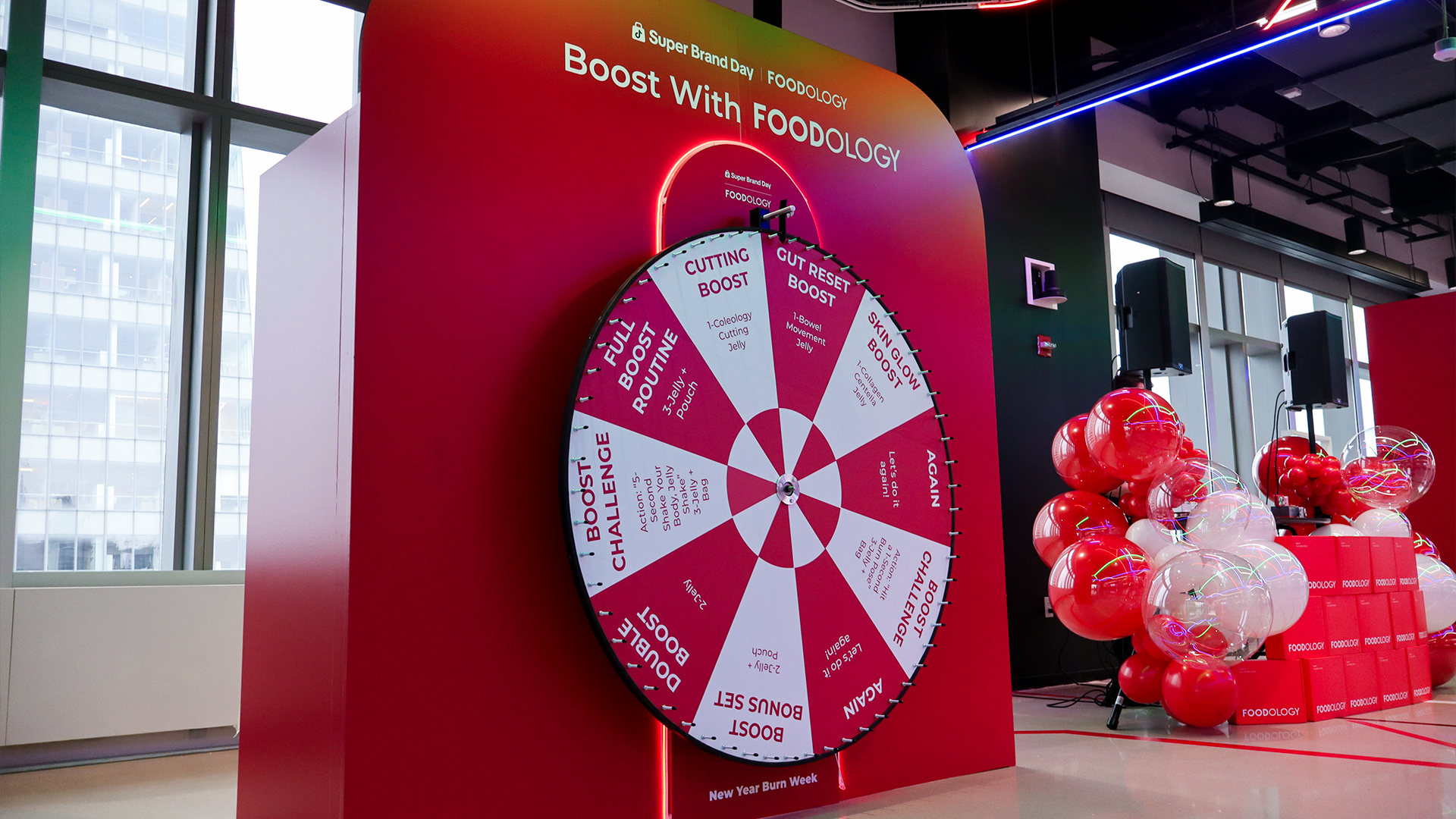
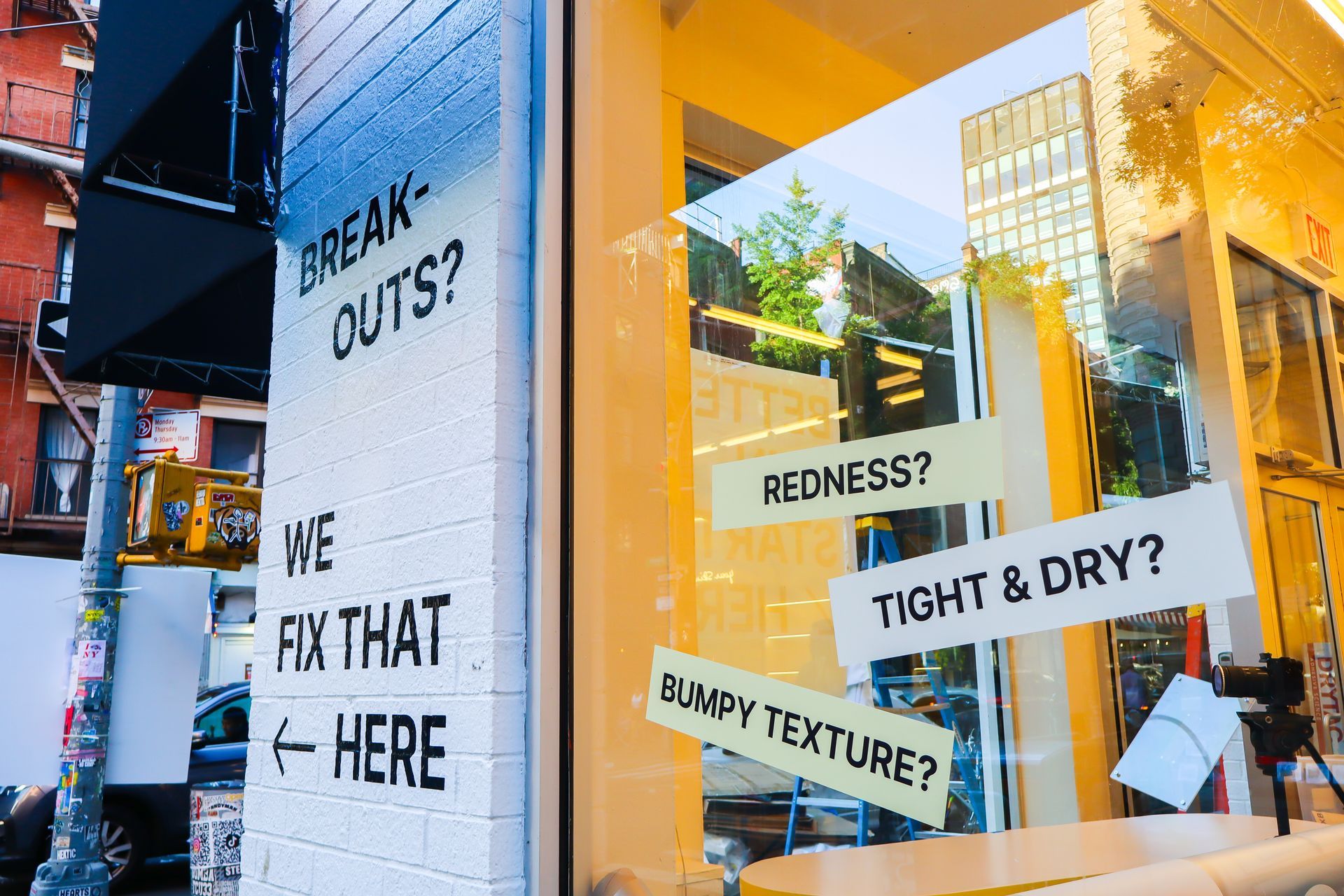
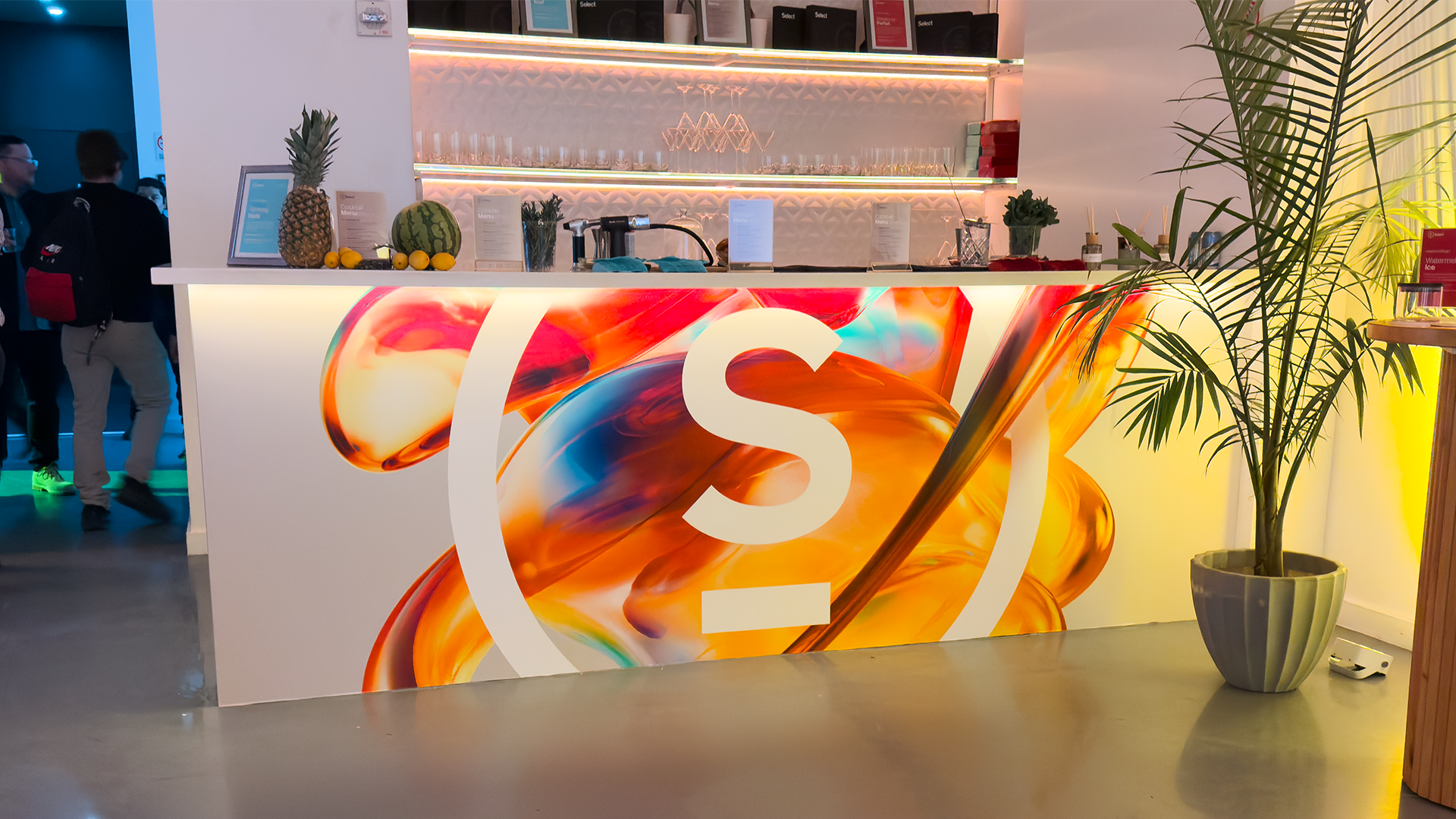
Another key factor is ensuring that materials align with the event's theme and design goals. Textures, finishes, and colors should complement the overall aesthetic while maintaining consistency across all elements. For instance, incorporating fabric draping, wood accents, or metal fixtures can help achieve a cohesive look while enhancing the overall ambiance.
Budget constraints also play a significant role in material selection, but being cost-conscious doesn't mean sacrificing quality. Researching alternatives or combining higher-end materials with more affordable options can strike the perfect balance. Prioritizing materials that can be reused or repurposed can help stretch budgets while promoting resource efficiency.
Design and Layout
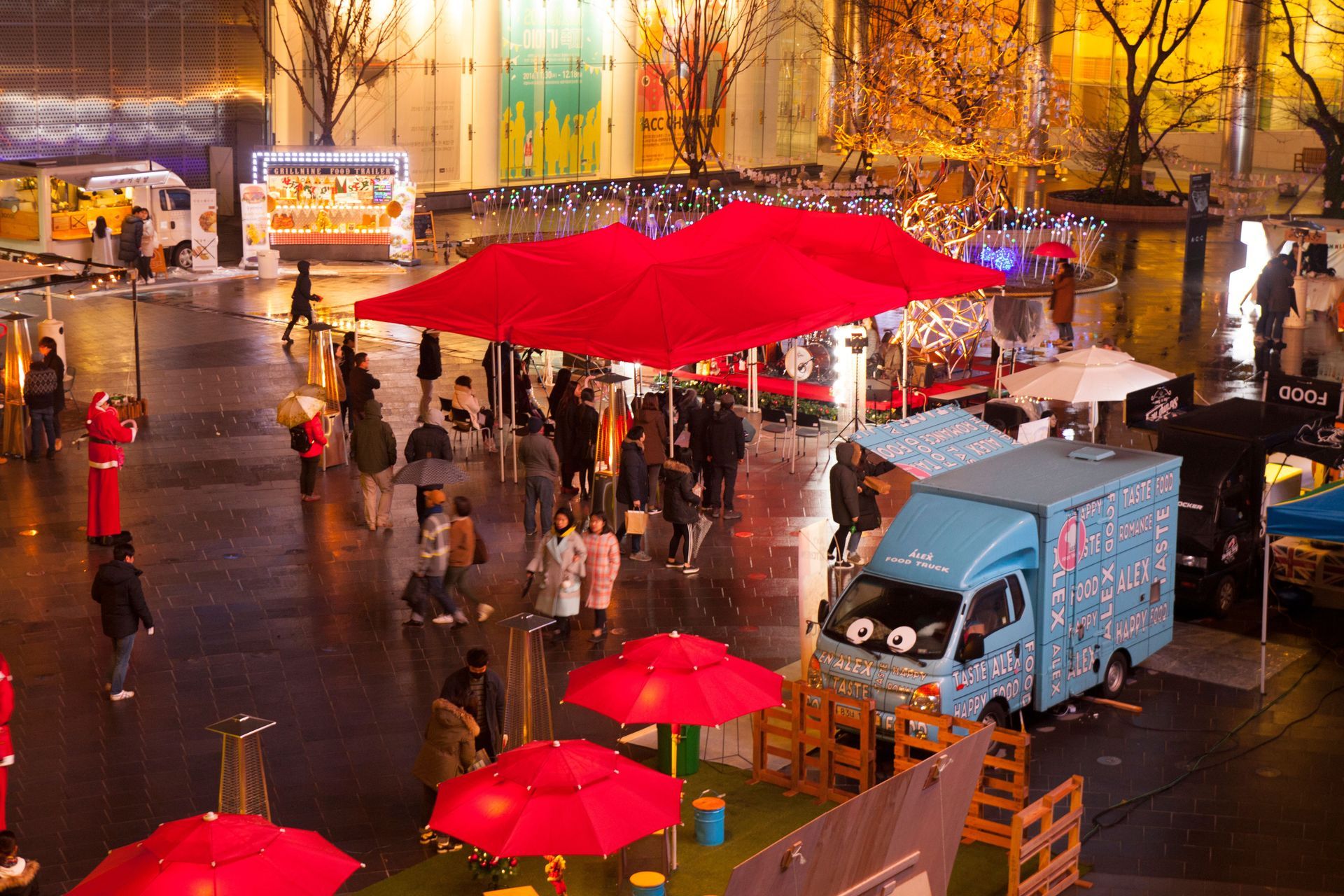
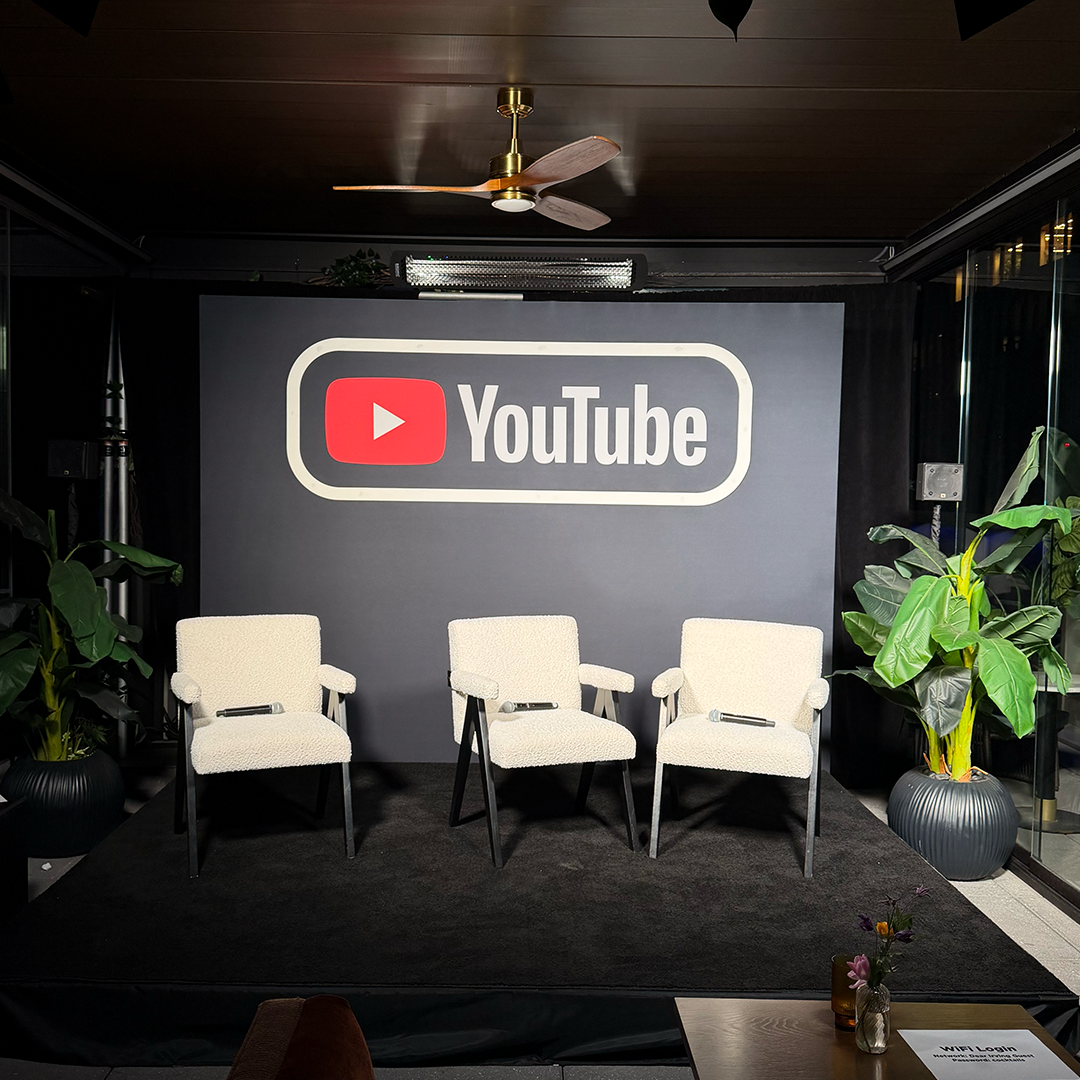
The arrangement and design of an event space have a direct impact on how attendees interact with the environment and each other. A well-thought-out layout not only enhances the flow of the event but also supports its overall purpose. Begin by analyzing the venue's dimensions and features to identify opportunities and limitations. Strategically place key components, such as stages, seating, and interactive zones, to encourage engagement and maintain an organized structure.
When planning the design, consider how attendees will move through the space. Avoid overcrowding by leaving adequate pathways and ensuring areas like entrances, exits, and restrooms are easily accessible. The layout should also take into account varying activity levels across different sections of the event. For example, designate quieter areas for networking or relaxation while maintaining more vibrant zones for presentations or entertainment.
Incorporating versatile elements, such as modular furniture or adjustable partitions, can allow for flexible arrangements and better adaptability to changing needs. Lastly, align the spatial design with the event’s theme by using consistent visual cues, including décor, color schemes, and lighting, to create a cohesive and immersive experience.
Incorporating Technology
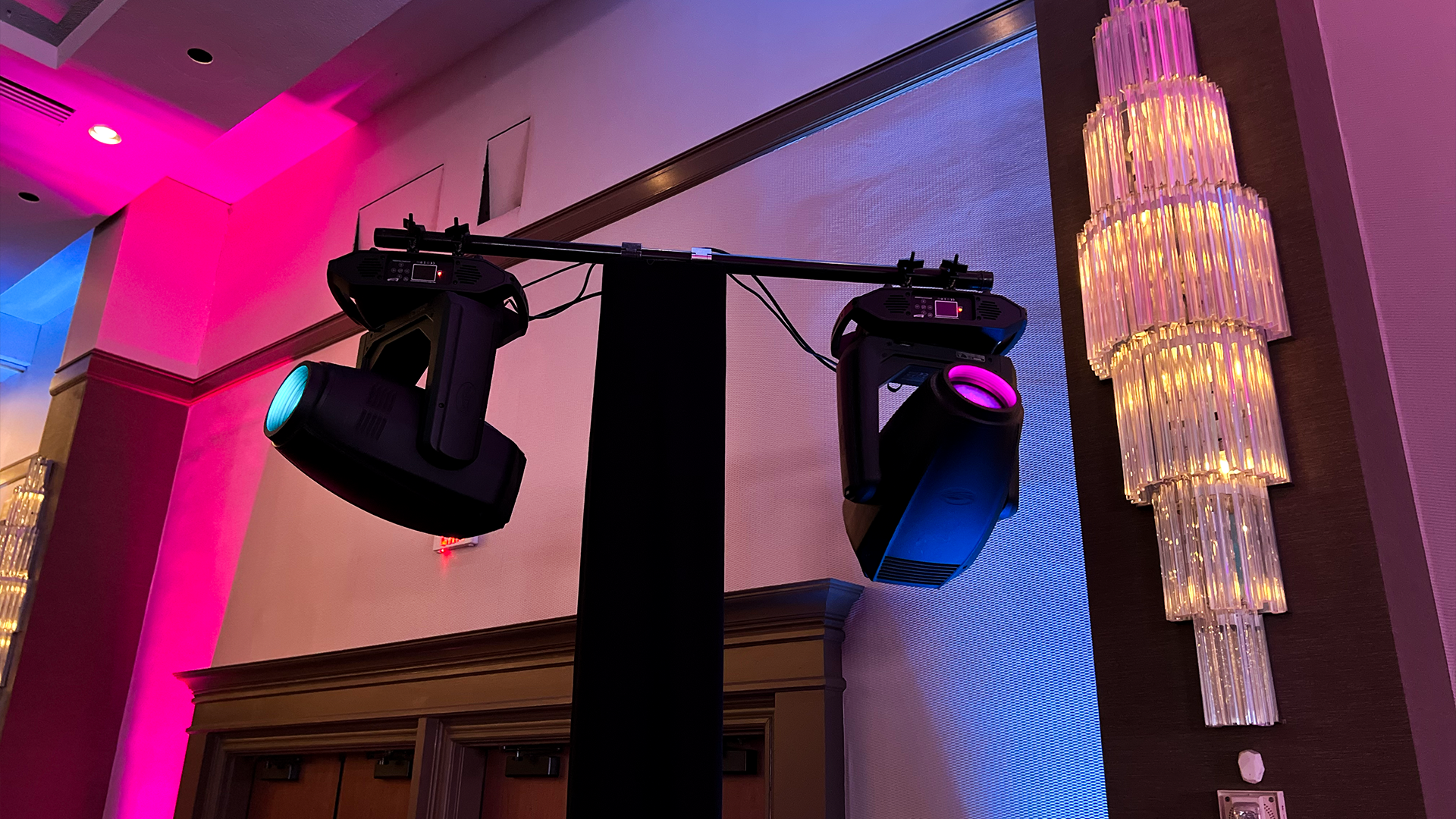
Technology offers countless opportunities to enhance event environments through innovative and impactful solutions. Lighting systems, for example, can be programmed to shift colors, intensities, and patterns to create dynamic moods that align with the event's theme. Similarly, well-planned audiovisual setups ensure clear communication during presentations and can amplify entertainment elements, keeping attendees engaged.
Interactive technologies, such as touchscreens and digital kiosks, encourage attendee participation while streamlining event navigation and information sharing. Emerging tools like augmented reality and virtual reality can further enrich the experience, offering creative ways to present content or immerse participants in unique environments.
When incorporating technology, it’s important to consider its placement and functionality to ensure it complements the space without overwhelming it. Equipment should be seamlessly integrated into the design, with attention given to factors like cable management and ease of access for technicians. Thoughtful use of technology can enhance both the aesthetic appeal and practical execution of an event space.
Sustainability Practices
Sustainability in event planning involves implementing practices that reduce environmental impact while maintaining high-quality experiences. Choosing eco-friendly materials, such as recycled or biodegradable options, can significantly decrease waste generated during events. Additionally, sourcing materials locally reduces transportation emissions and supports community businesses.
Energy efficiency is another critical consideration. Opting for LED lighting, solar-powered solutions, or energy-efficient equipment can lower power consumption without compromising functionality. Waste management strategies, like providing clearly labeled recycling and composting stations, help attendees dispose of materials responsibly.
Reducing single-use items is another impactful step. For instance, replacing disposable tableware with reusable alternatives or encouraging attendees to bring their own water bottles can substantially minimize waste. Technology also plays a role in sustainability, as digital signage and mobile apps can replace printed materials, cutting down on paper usage.
By incorporating these methods, planners can prioritize sustainability in a practical and meaningful way, creating environmentally conscious events that meet modern expectations.
How can we help?
Implementing these strategies can transform your event spaces into thoughtfully designed and engaging environments. By prioritizing careful planning, practical material selection, and creative design approaches, you can ensure your events align with both aesthetic goals and functional needs. Incorporating technology and sustainability practices further enhances the experience while meeting modern expectations for innovation and environmental responsibility.
For personalized assistance and expert guidance tailored to your event's unique requirements, National Event Connection is here to help. Our team specializes in crafting exceptional event environments that leave lasting impressions. Contact us today to explore how we can bring your vision to life.
Enjoyed this article? Discover more on our Event Production Blog.