How Event Management Impacts Successful Brand Activations
Brand activations have become one of the most effective ways for companies to connect with their audiences. Whether it's a product launch, experiential marketing campaign, pop-up experience, or community event, successful brand activations create memorable interactions that leave lasting impressions. However, behind every standout activation is something many attendees never see: strategic event management.
While creative concepts and eye-catching designs often receive the spotlight, professional event management is what turns a great idea into a seamless, impactful experience. For event planners, understanding the role event management plays in brand activations can be the difference between an event that simply looks good and one that delivers measurable results.
What Is a Brand Activation?
A brand activation is a marketing event or experience designed to engage consumers directly with a brand. Unlike traditional advertising, activations encourage participation, interaction, and emotional connection. The goal is to create memorable experiences that increase brand awareness, strengthen customer relationships, and inspire action.
Common examples of brand activations include:
- Product launches
- Pop-up shops
- Interactive experiences
- Sampling events
- Trade show activations
- College campus marketing events
- Community engagement campaigns
- Experiential marketing installations
While the creative concept drives interest, execution determines success.
Why Event Management Matters in Brand Activations
Brand activations involve countless moving parts. From logistics and staffing to production and attendee engagement, every detail must work together to support the brand's goals.
Professional event management ensures that all elements align to create a cohesive and successful experience.
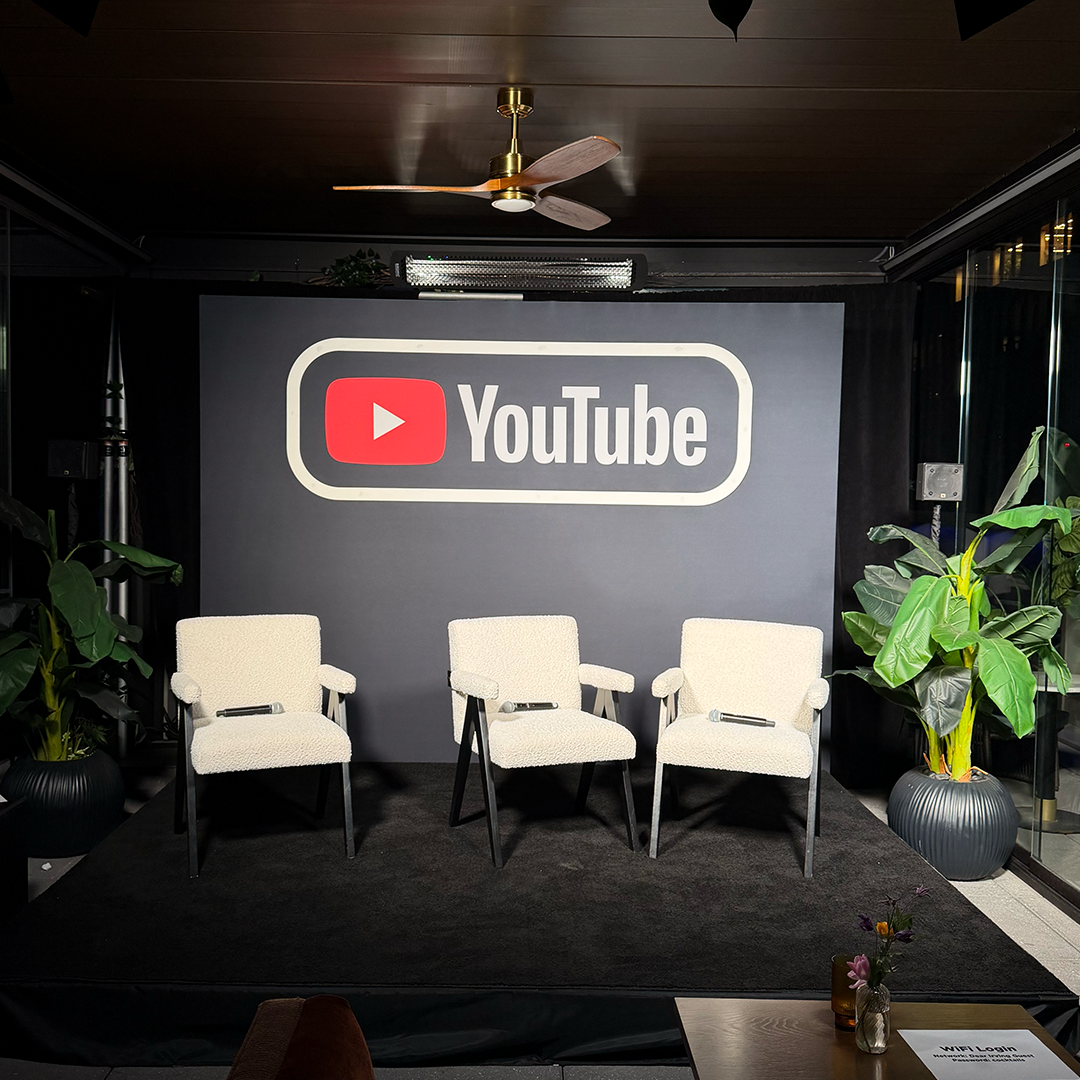
Creating a Seamless Attendee Experience
Attendees may not notice flawless event management, but they will certainly notice when something goes wrong.
Long check-in lines, technical difficulties, unclear signage, or scheduling issues can quickly overshadow even the most creative activation. Strong event management helps eliminate friction points, allowing guests to focus on the experience itself.
When attendees have a positive experience, they are more likely to engage with the brand, share content on social media, and remember the activation long after it ends.
Keeping Brand Messaging Consistent
Every touchpoint at a brand activation should reinforce the brand's identity and objectives.
Event managers coordinate elements such as:
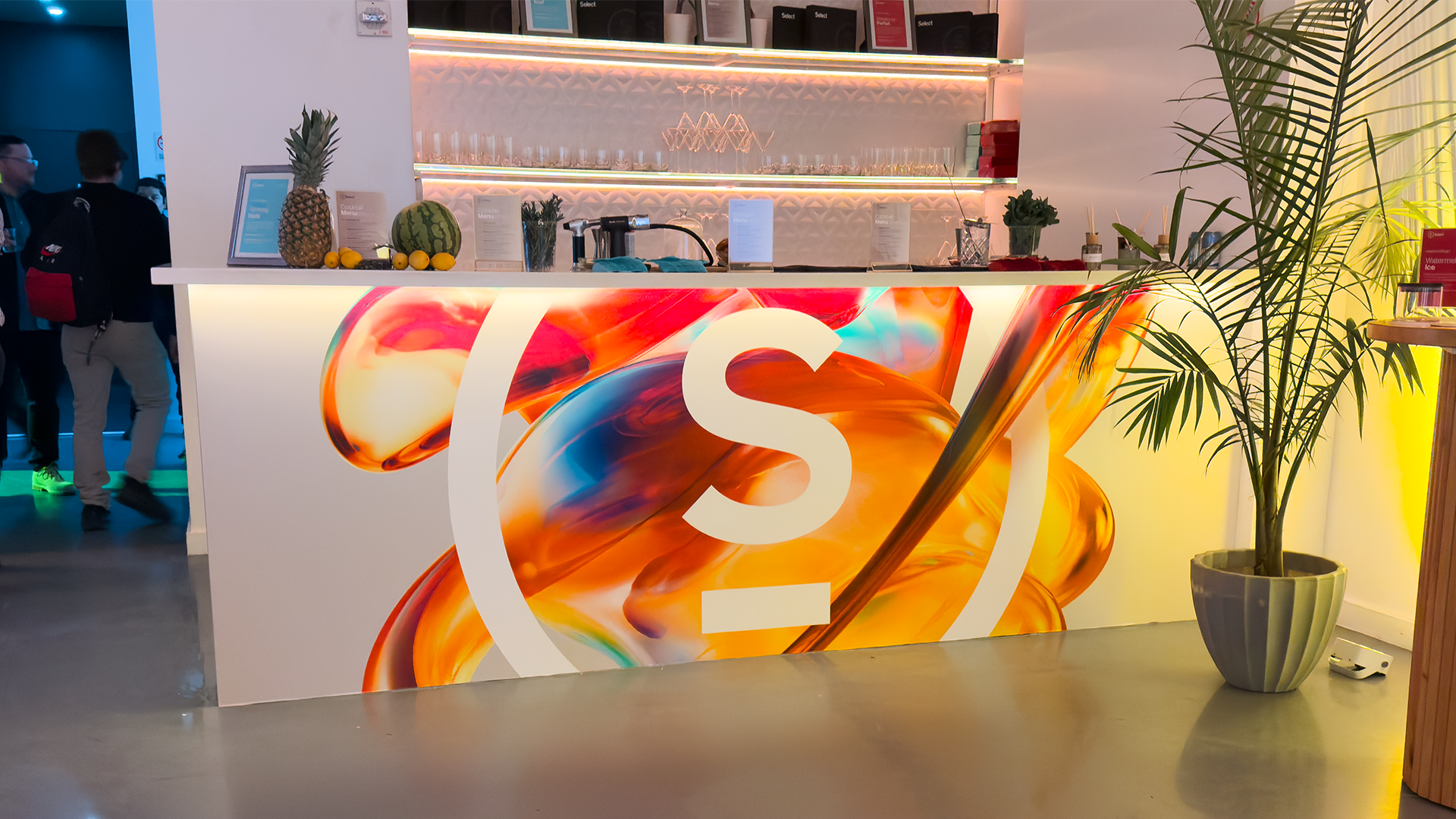
- Signage and graphics
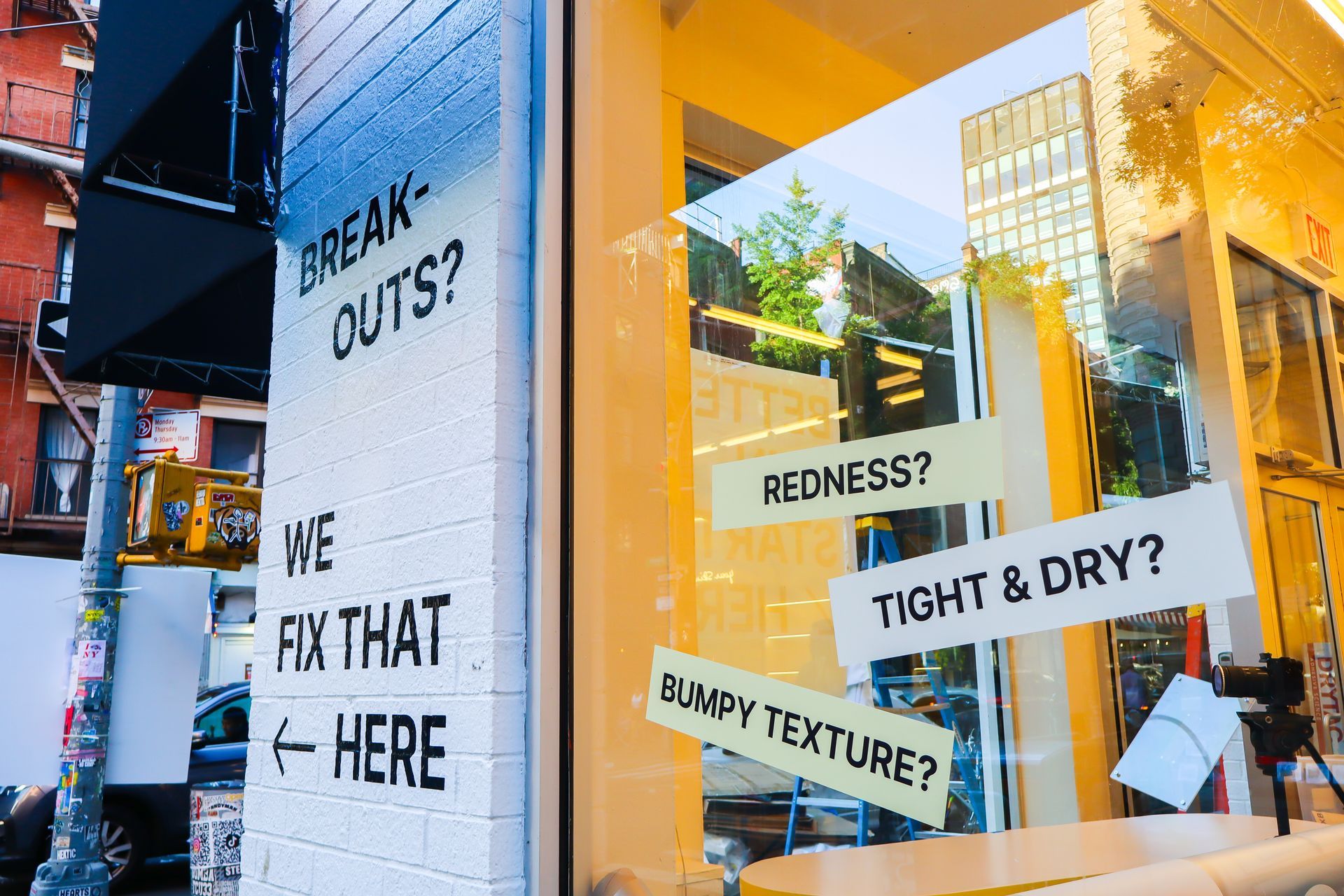
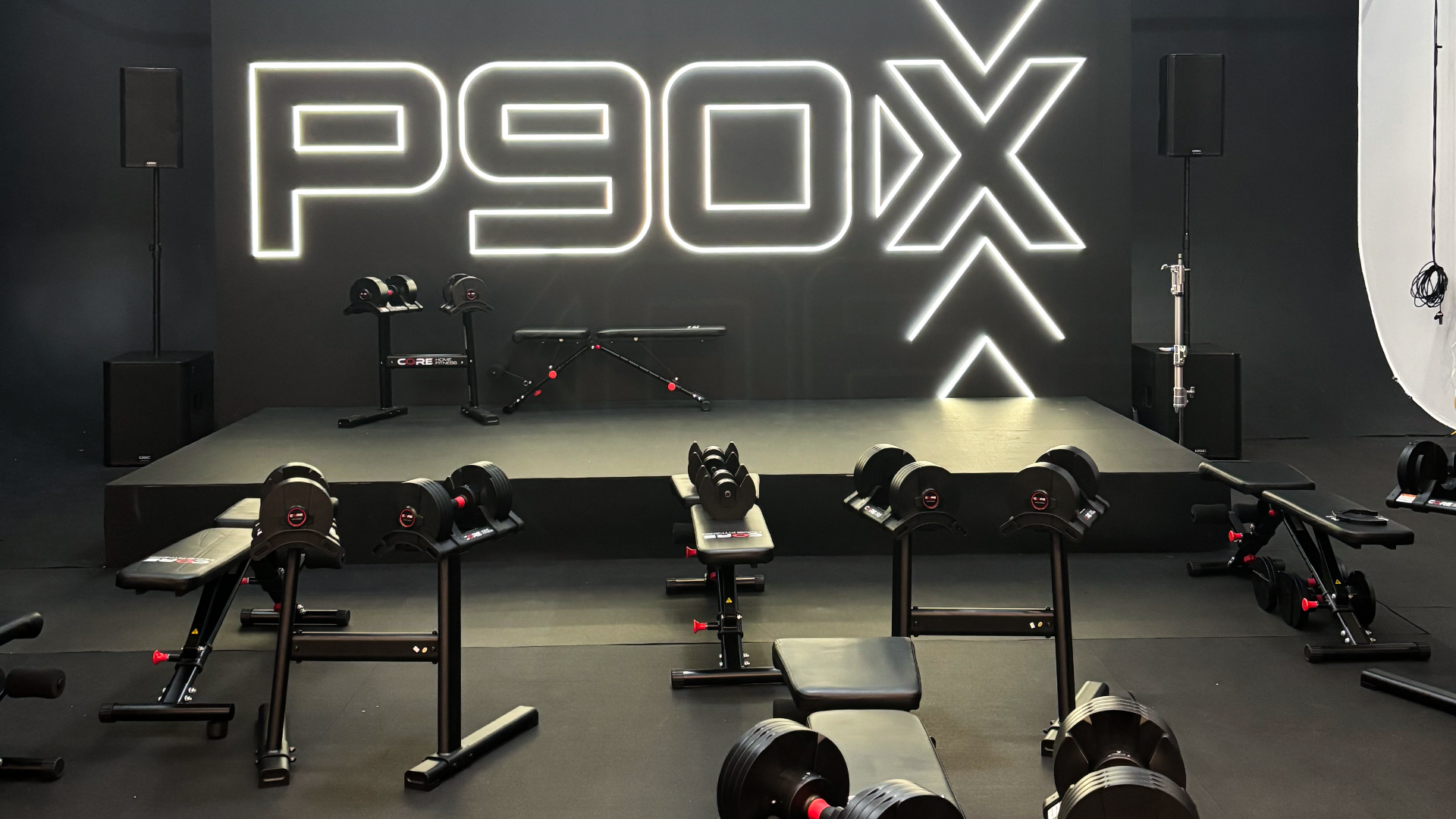
- Custom-branded installations
- Staffing and brand ambassadors
- Interactive experiences
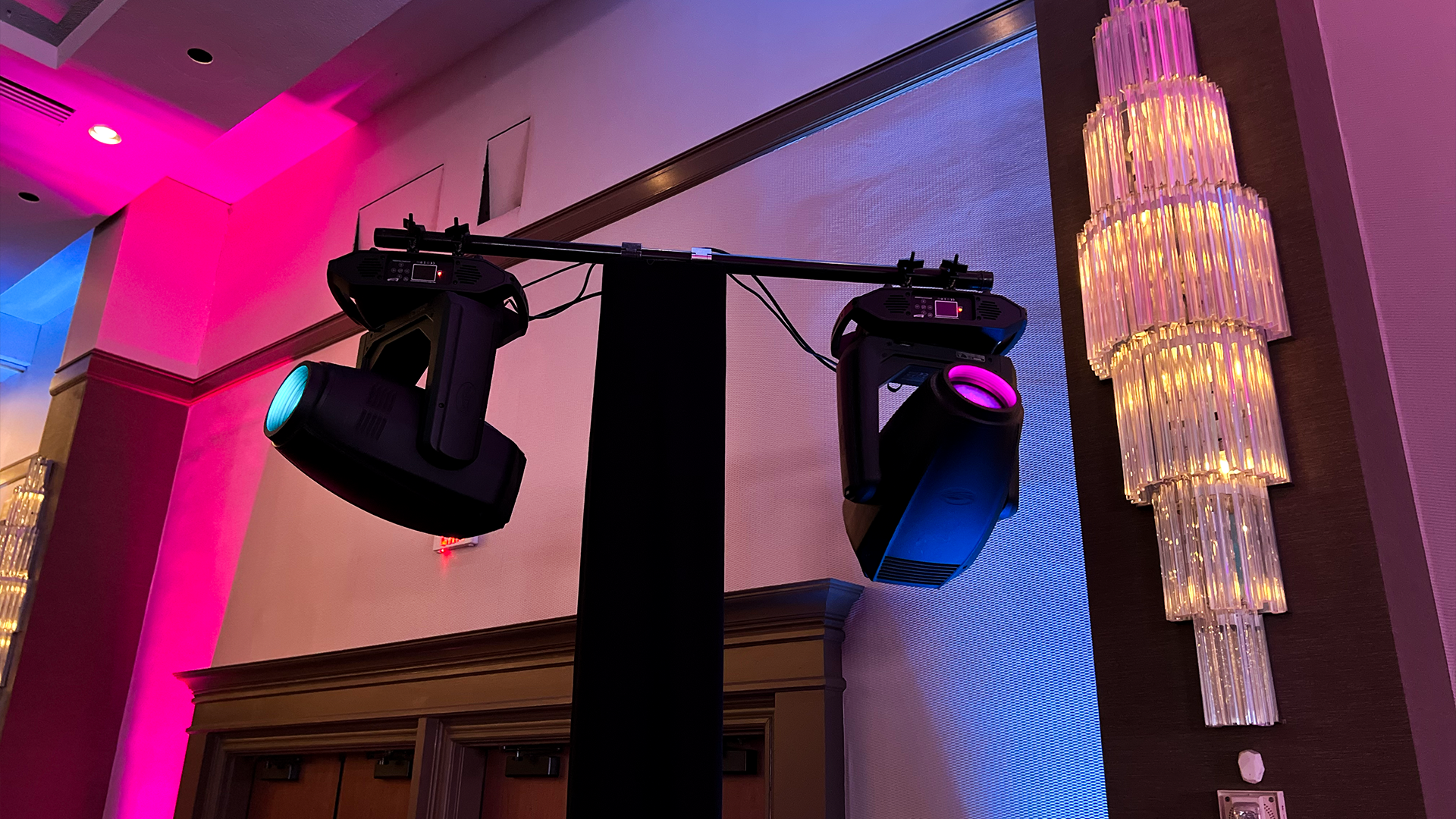
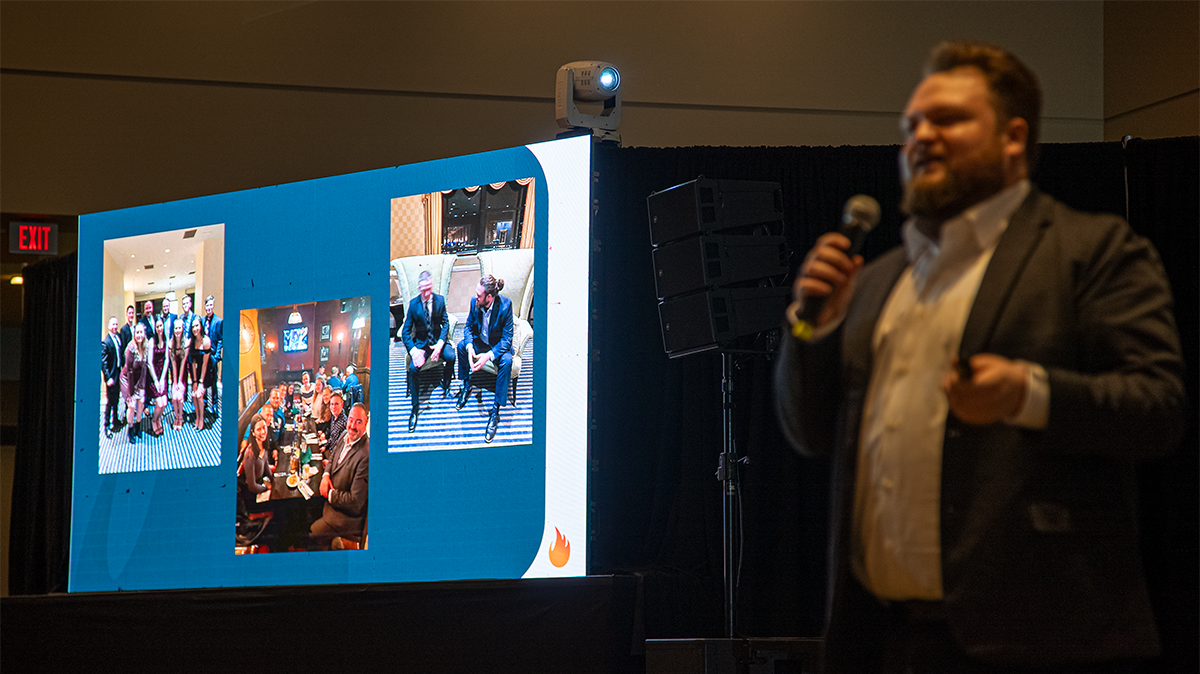
- Audio-visual production
- Event flow and guest interactions
By ensuring consistency across all event components, brands can create a stronger and more memorable impression.
Managing Logistics Behind the Scenes
Successful brand activations rely on careful planning and execution.
Event management teams oversee critical logistics including:
- Venue selection and coordination
- Vendor management
- Equipment rentals
- Installation and breakdown schedules
- Permits and compliance requirements
- Transportation and delivery timelines
- Staffing coordination
Without proper logistical planning, even the most innovative activation concepts can face costly delays and operational challenges.
Event Management Helps Maximize Engagement
One of the primary goals of any brand activation is audience engagement.
Professional event management helps create opportunities for attendees to interact with the brand in meaningful ways. This includes designing event layouts that encourage participation, managing crowd flow, scheduling interactive moments, and ensuring every guest has access to key activation features.
When guests can easily engage with experiences, brands are more likely to achieve objectives such as:
- Increased brand awareness
- Lead generation
- Product education
- Social media exposure
- Customer loyalty
The easier it is for attendees to participate, the greater the overall impact of the activation.
The Importance of Flexibility and Problem Solving
No event goes exactly as planned.
Weather changes, vendor delays, technical issues, and last-minute adjustments are common challenges in live events. Experienced event management teams anticipate potential obstacles and develop contingency plans before they become problems.
Having a dedicated team that can quickly adapt and troubleshoot allows brand activations to continue running smoothly without disrupting the guest experience.
This flexibility protects both the event investment and the brand's reputation.
Measuring Activation Success
Effective event management extends beyond the day of the event.
Successful activations are built around clear goals and measurable outcomes. Event managers help track performance indicators such as:
- Attendance numbers
- Audience engagement
- Lead collection
- Social media interactions
- Brand impressions
- Participant feedback
By analyzing event performance, brands gain valuable insights that can improve future activations and maximize return on investment.
Why Partnering with an Event Management Company Matters
Brand activations require a combination of creativity, strategy, logistics, and execution. Working with an experienced event management partner allows brands and event planners to focus on their objectives while experts handle the details.
A professional event management team can provide:
- Strategic planning
- Creative production support
- Logistics management
- Staffing solutions
- Custom branding and signage
- Audio-visual coordination
- On-site event execution
This comprehensive approach ensures every aspect of the activation supports the overall brand experience.
How Can We Help?
Ready to create a brand activation that leaves a lasting impression? National Event Connection provides end-to-end event management, production, branding, and experiential marketing solutions that bring your vision to life. Contact NEC today to start planning your next activation.
Enjoyed this article? Discover more on our Event Production Blog.