How to Integrate A/V, Staging, and Lighting for a Seamless Event Experience
When guests walk into a well-produced event, they rarely think about the technology behind the experience. Instead, they notice how everything feels. The presenter is easy to hear, the stage commands attention, the lighting sets the mood, and every transition happens effortlessly. That's the result of successful integration between audio/visual, staging, and lighting.
For event planners, these three production elements should never be treated as separate checklists. They work together to create an experience that is engaging, functional, and memorable. Whether you're planning a corporate conference, fundraiser, university event, product launch, gala, or awards ceremony, understanding how these systems connect will help you avoid common production issues and elevate your event.
Why Integration Matters
Many planning challenges occur when A/V, staging, and lighting are planned independently. A stage may be too small for the presentation equipment, lighting may create glare on LED screens, or speakers may block audience sightlines.
Instead, think of production as one connected system. Every decision should support the others:
- The stage determines where presenters and performers will be positioned.
- Audio ensures every guest can clearly hear what's happening.
- Video displays reinforce your message with visuals.
- Lighting guides attention and creates atmosphere.
When these elements are planned together from the beginning, the event feels polished and intentional rather than pieced together.
Start with the Purpose of Your Event
Before selecting equipment, define what your event needs to accomplish. Different event types require different production priorities.
For example:
- Conferences prioritize speech clarity, presentation screens, confidence monitors, and professional stage lighting.
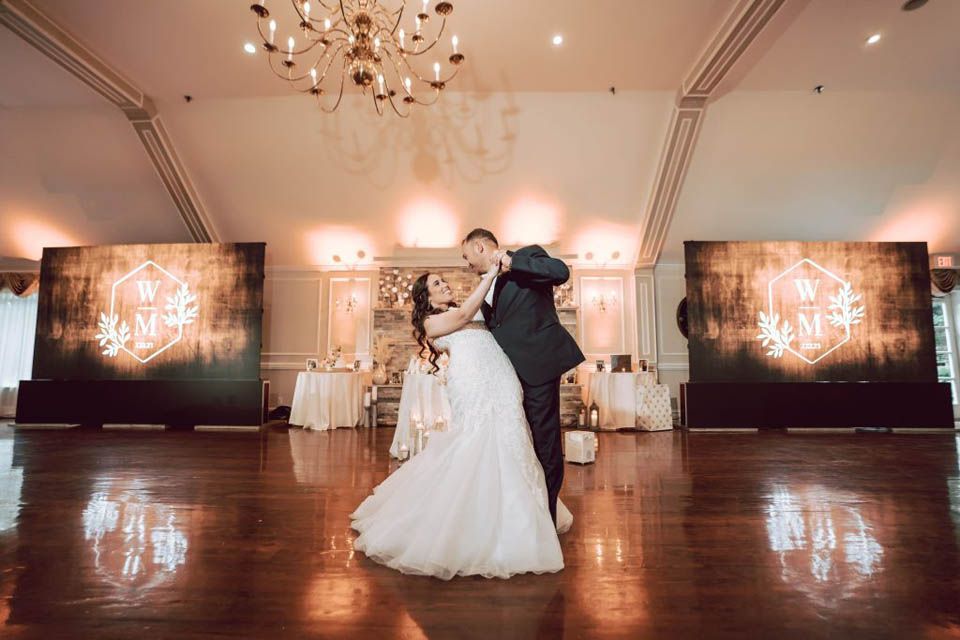
- Galas often focus on elegant lighting, entertainment production, and smooth transitions between speeches and performances.
- College events typically require high-energy sound systems, dynamic lighting, and flexible staging for performers and activities.
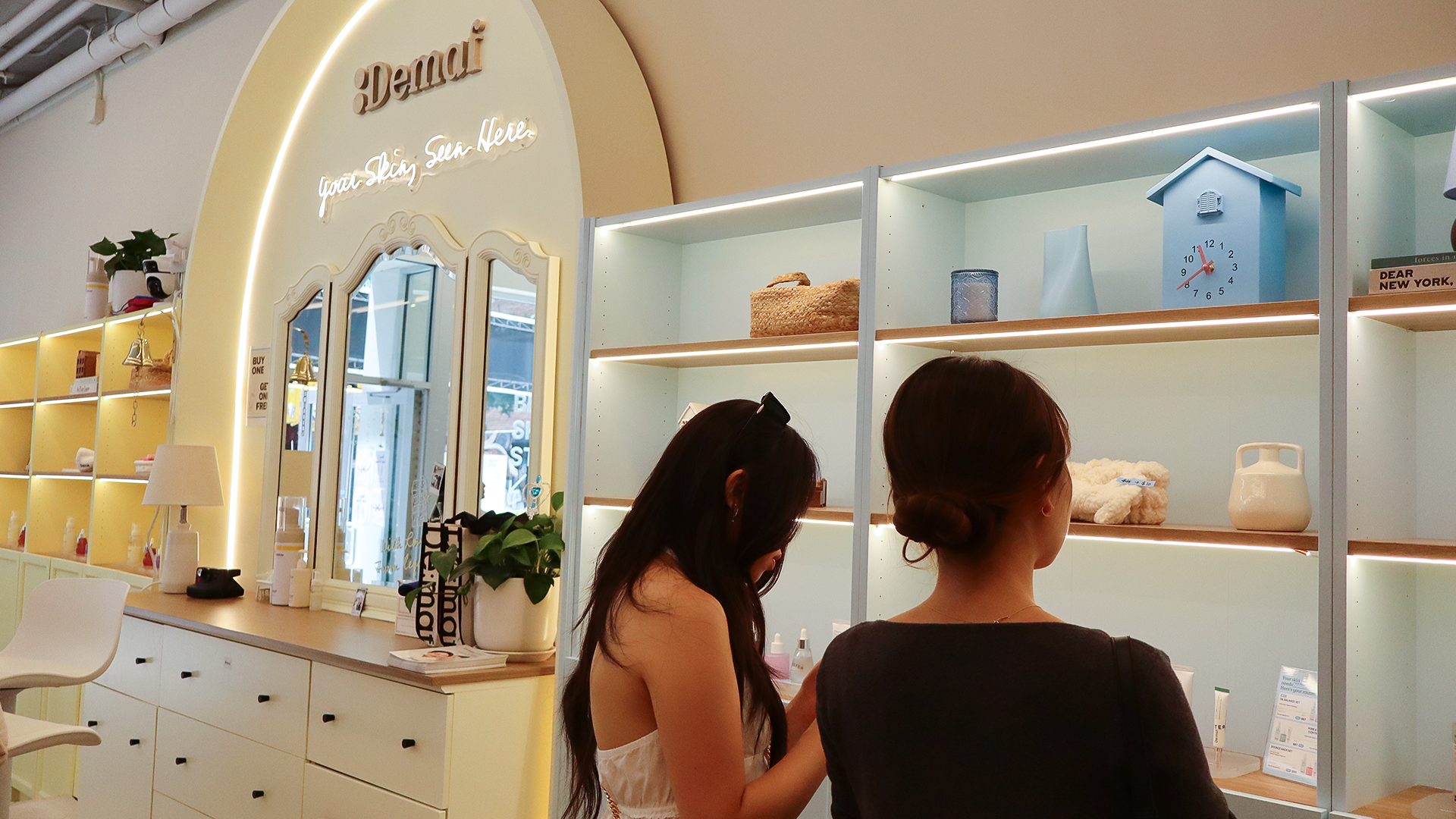
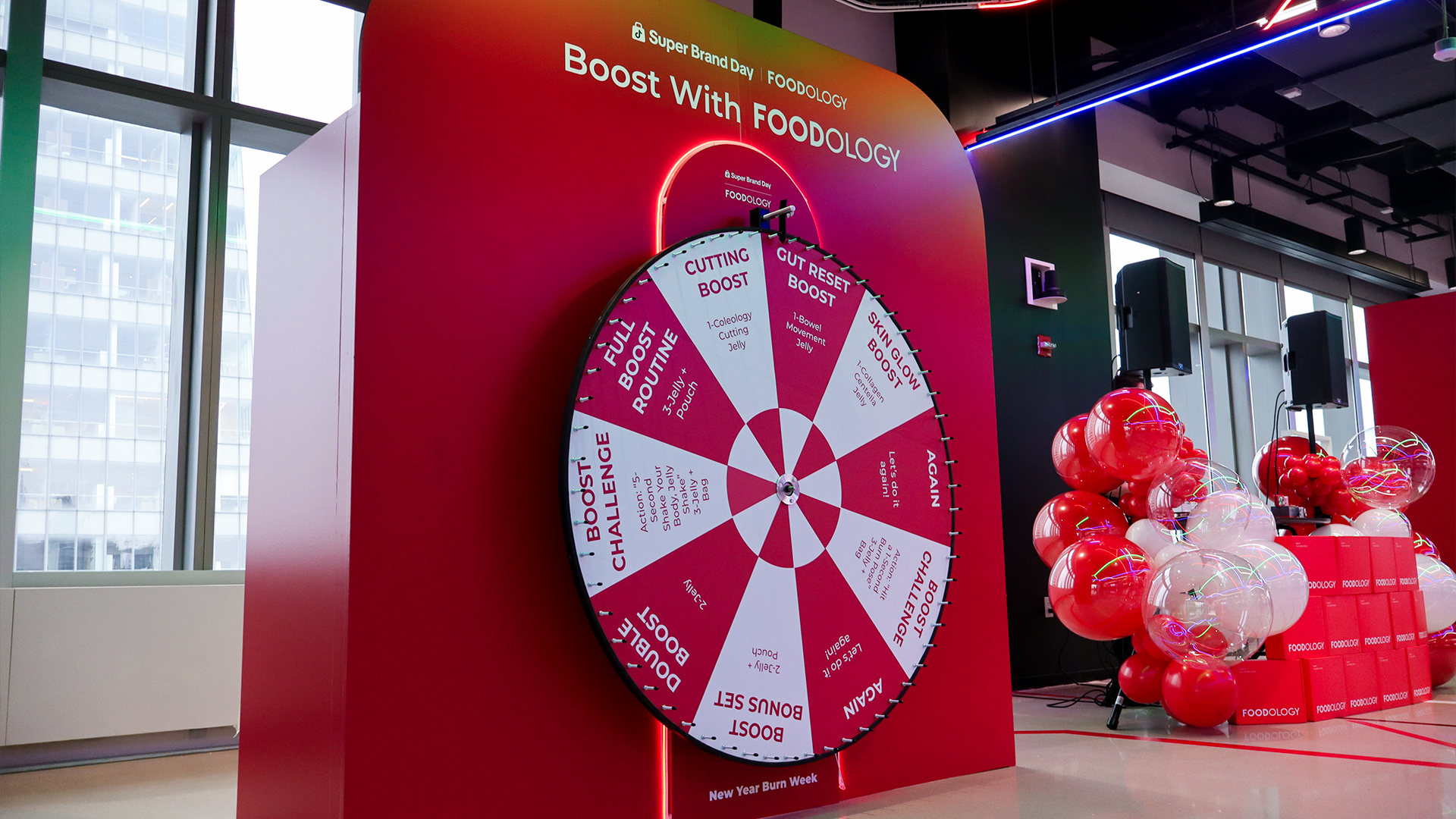
- Brand activations rely heavily on LED displays, custom staging, immersive lighting, and interactive experiences.
Understanding the event's purpose allows every production decision to support the guest experience instead of simply adding technology for the sake of it.
Designing the Stage First
The stage serves as the visual centerpiece of most events. Its size, shape, and placement influence nearly every other production decision.
When designing your stage, consider:
- Audience size and viewing angles
- Speaker movement and presentation style
- Furniture placement
- LED screens or projection surfaces
- Camera positions for recording or livestreaming
- Accessibility requirements
A common mistake is selecting staging based only on room size. Instead, think about what will actually happen on stage. A keynote presentation has different needs than a panel discussion or live entertainment.
Leave adequate space for presenters to move naturally while ensuring all production equipment has room to operate safely.
Building an Effective Audio Plan
Guests may forgive simple decor, but poor audio is difficult to overlook. Clear sound is one of the biggest contributors to a positive event experience.
An effective audio plan begins with understanding the venue.
Important considerations include:
- Ceiling height
- Room dimensions
- Hard surfaces that create echoes
- Audience size
- Background noise
- Indoor versus outdoor environments
Speaker placement is equally important. Rather than simply increasing volume, properly positioned speakers distribute sound evenly throughout the room so every guest enjoys the same listening experience.
Microphone selection also matters. Handheld microphones, lapel microphones, headset microphones, podium microphones, and wireless systems each serve different purposes. Choosing the right option improves comfort for presenters while delivering better sound quality.
Using Video to Support Your Message
Today's audiences expect visual content. Whether displaying presentation slides, videos, sponsor graphics, live camera feeds, or event branding, video helps maintain audience engagement.
Popular display options include:
- LED video walls
- Large projection screens
- Confidence monitors
- Digital podium displays
- Side screens for larger audiences
Screen placement should support visibility without distracting from the presenter. Guests should be able to comfortably view content regardless of where they're seated.
Content preparation is equally important. Test every presentation, video, and graphic in advance to confirm proper sizing, resolution, and playback compatibility.
The Role of Lighting Beyond Visibility
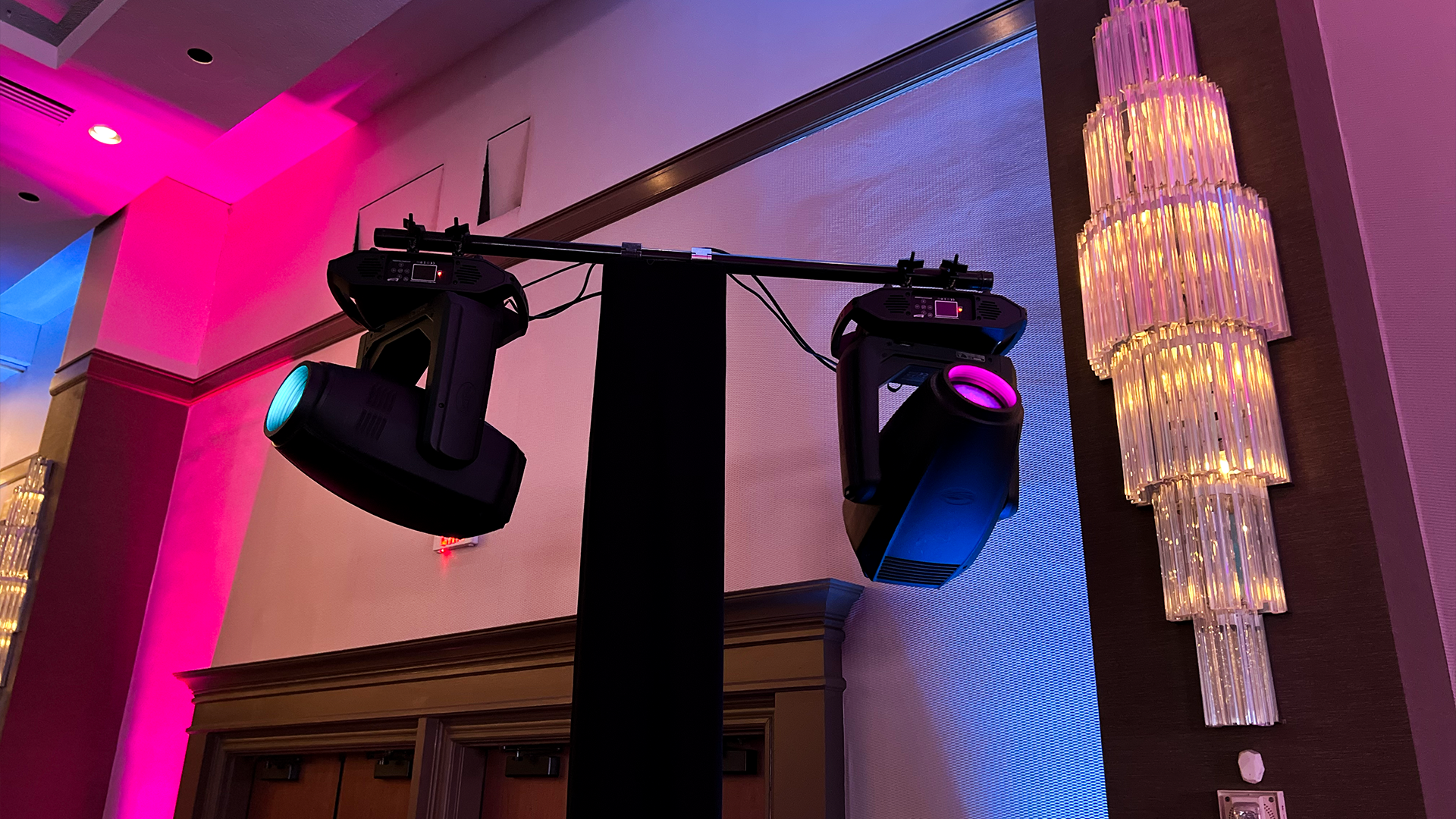
Lighting does far more than brighten a room. It shapes the atmosphere, directs attention, and reinforces the event's overall tone.
For example:
- Warm lighting creates an elegant, welcoming environment.
- Cool lighting supports modern corporate presentations.
- Color-changing fixtures add excitement during entertainment.
- Spotlights naturally draw attention to speakers or performers.
- Accent lighting highlights décor, branding, or architectural features.
Layering multiple lighting techniques creates depth throughout the venue instead of relying solely on overhead house lights.
Thoughtful lighting also improves photography and video production, ensuring your event looks as good in photos as it does in person.
Prepare for the Unexpected
Even well-planned events encounter surprises.
Experienced planners build contingency plans for common challenges such as:
- Backup microphones
- Spare presentation laptops
- Additional batteries
- Redundant audio playback
- Backup internet options
- Extra extension cords and adapters
Having backup solutions ready allows small technical issues to be resolved quickly without disrupting the guest experience. You never know when a keynote speaker may show up needing a unique adapter, so it's best to plan accordingly!
Final Thoughts
A successful event isn't defined by the number of lights, speakers, or screens it includes. It's defined by how naturally those elements work together to support the experience.
By planning A/V, staging, and lighting as one integrated production system, event planners can improve communication, reduce technical challenges, create smoother transitions, and deliver events that feel professional from start to finish.
The best productions are often the ones guests don't consciously notice, they simply enjoy an event where everything works exactly as it should.
How NEC Can Help
Whether you're producing a corporate conference, college event, fundraiser, gala, product launch, or live entertainment experience, National Event Connection provides integrated A/V, staging, and lighting solutions designed to work together seamlessly. From professional sound systems and LED video walls to custom staging and dynamic lighting design, our experienced production team helps bring your event vision to life while ensuring every technical detail is carefully planned and executed. Contact NEC today to learn how we can support your next event with expert production services from start to finish.
Enjoyed this article? Discover more on our Event Production Blog.