Wedding Planning Made Simple: A Guide for Seamless Event Preparation
Planning A Wedding: An Event Planner's Perspective
Planning a wedding involves many moving parts, and having a clear strategy from the start can make all the difference. Whether you're an experienced wedding planner or tackling your first event, preparation is key to ensuring everything runs smoothly. To help you get started, here are five essential tips to guide you through the process:
- Plan Early
- Set a Prioritized Budget
- Choose the Right Venue
- Maintain Clear Vendor Communication
- Create a Detailed Event Schedule
By focusing on these core areas, you can streamline the planning process and create a stress-free experience for the couple. From initial consultations to the final touches, staying proactive and organized allows you to handle each detail with confidence. Each wedding is unique, so adapt these tips as needed to meet the specific vision and needs of your clients.
Start Planning Early
Getting an early start on wedding planning allows you to manage tasks with ease and avoid unnecessary stress. Begin by creating a checklist of priorities and setting clear deadlines for each milestone. Focus on booking essential vendors first, as popular options tend to fill up quickly, especially during peak wedding seasons. Research and compare options thoroughly to make informed decisions that align with the couple’s vision. Early planning also provides more flexibility when it comes to securing accommodations for out-of-town guests or addressing any potential scheduling conflicts.
Budget Wisely
Creating a realistic budget is one of the most important steps in wedding planning. Begin by sitting down with the couple to identify their top priorities and must-haves for the event. This will help allocate funds to the elements that matter most, such as the venue, catering, or entertainment. Be sure to account for less obvious expenses, like gratuities for vendors, delivery fees, or permits, as these can add up quickly.
When dividing the budget, aim to leave a small percentage unallocated for unexpected costs that may arise during the planning process. For example, last-minute decor changes or adjustments to the guest count can create additional expenses. Additionally, research average costs in the area where the wedding will take place to set realistic expectations for pricing.
To stay on track, use a spreadsheet or wedding budget management tool to monitor spending and track payments. Share this information with the couple so they remain aware of how funds are being allocated. When working with vendors, be clear about the budget from the outset to avoid misunderstandings. Ask for itemized invoices to ensure there are no hidden fees or surprises later on. With careful attention to financial details, you can help create an unforgettable celebration without unnecessary overspending.
Choosing the Perfect Venue
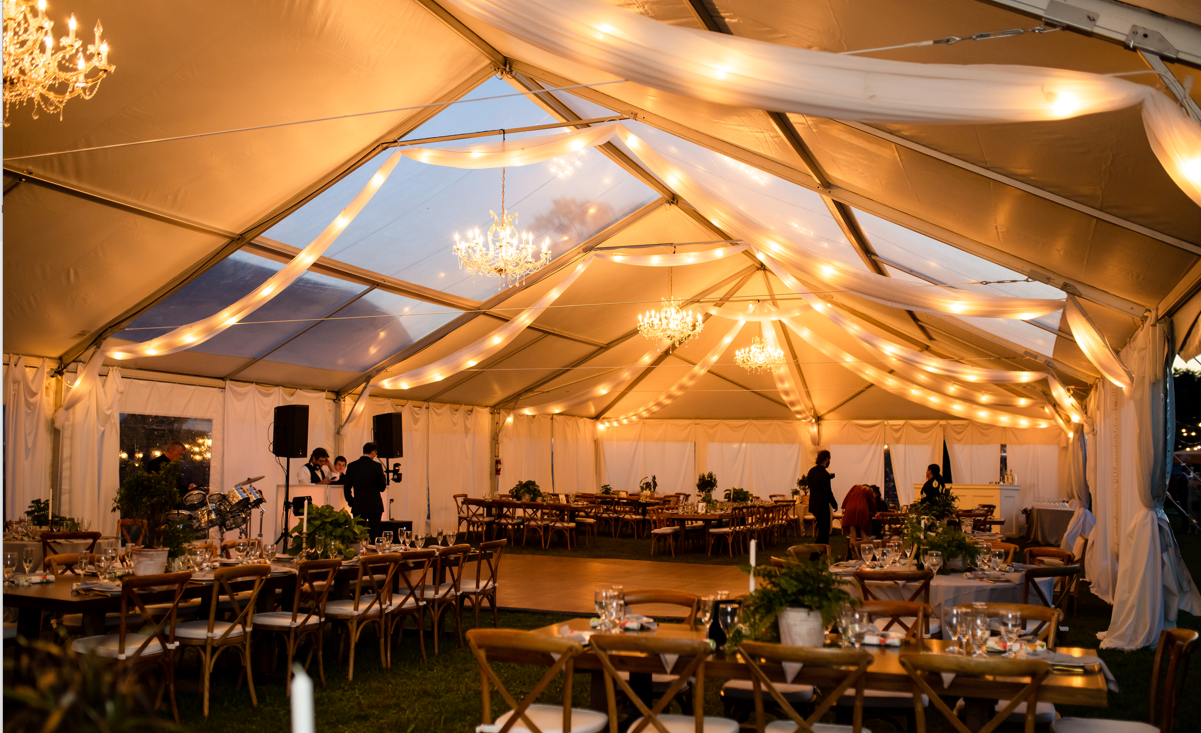
Selecting a wedding venue requires careful consideration to ensure it aligns with the couple's story and vision. Start by discussing the couple’s preferences, such as whether they want an indoor or outdoor setting, a formal or casual atmosphere, or a modern or rustic style. These details will help narrow down your options.
Pay close attention to the venue’s capacity to ensure it comfortably accommodates the guest list. Overcrowding can lead to an unpleasant experience, while too much space can feel impersonal. Confirm what is included with the venue rental, such as tables, chairs, linens, and lighting, as this can impact both the budget and overall planning process. Some venues also provide in-house catering, which may streamline arrangements and reduce the number of vendors you need to manage.
Visit each potential venue in person to assess its condition and layout. Think about factors like parking availability, accessibility for guests with mobility needs, and proximity to lodging for out-of-town attendees. Discuss any restrictions the venue might have, such as noise ordinances, decor limitations, or preferred vendor lists.
Inquire about available dates and flexibility, especially if the wedding is during a busy season. Understanding payment terms, cancellation policies, and backup plans for weather-related issues is also essential for avoiding surprises.
Vendor Coordination
Establishing clear communication with vendors is vital to keeping the planning process on track. Provide each vendor with a detailed outline of their responsibilities, including specific timelines, set-up requirements, and any important preferences from the couple. To minimize miscommunication, confirm all details in writing and maintain a record of emails, contracts, and agreements.
When researching vendors, prioritize those who have experience with weddings similar to the one you’re planning. Whether it’s a florist, caterer, photographer, or entertainment provider, understanding their past work can give you a better sense of their capabilities. During initial meetings, ask questions about their processes and how they handle unexpected challenges to ensure they align with your expectations.
Regular check-ins leading up to the event are essential for resolving potential issues early. If the couple has specific requests, relay these clearly to avoid any confusion. Creating a vendor contact sheet with updated information, such as phone numbers and arrival times, can help you stay organized and make coordination more seamless on the wedding day.
Additionally, it’s helpful to schedule a walkthrough at the venue with key vendors to finalize logistics like layout, equipment needs, and timing. This proactive approach ensures everyone is aligned and prepared to deliver their best work on the big day.
Crafting the Wedding Day Timeline
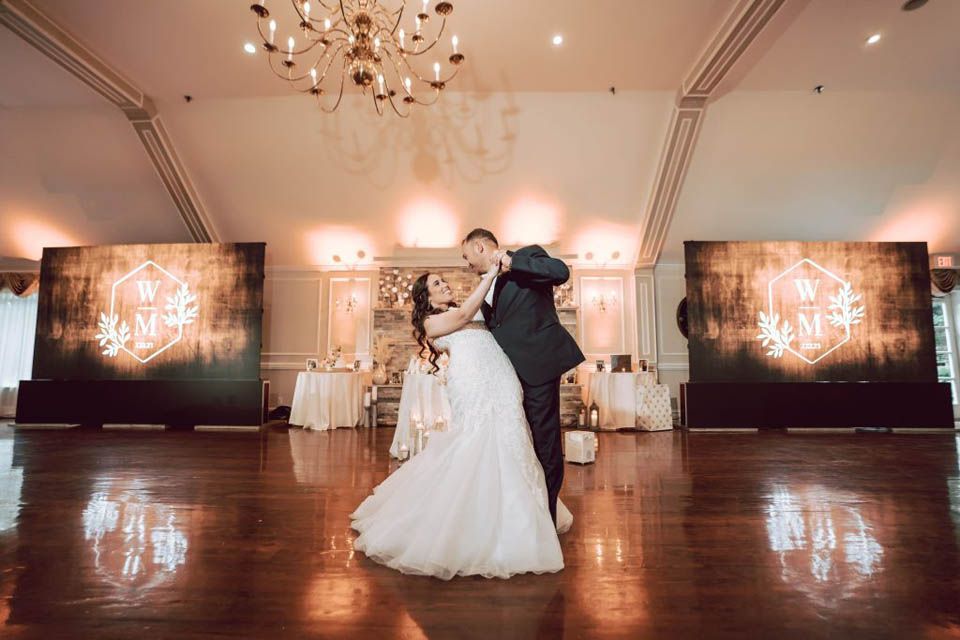
Developing a detailed timeline ensures the wedding day flows effortlessly and minimizes the chance of delays. Begin by breaking the day into manageable blocks of time, starting with preparation activities like hair and makeup. Build in extra time for unexpected delays to avoid rushing. Clearly define when each key moment will take place, such as the ceremony start time, cocktail hour, and first dance.
Include time buffers between events to allow for transitions, such as moving from the ceremony to the reception or accommodating unplanned conversations and photographs. Pay special attention to timing for meals and speeches to ensure guests remain engaged and well-fed throughout the event.
Work closely with the couple to prioritize any traditions, special performances, or surprises they’d like to include. Discuss these with vendors, such as photographers or DJs, so they’re prepared to coordinate their roles seamlessly. Make sure to factor in travel time if multiple locations are involved.
Distribute the timeline to all vendors and key participants well in advance, ensuring they understand their responsibilities and timeframes. Provide printed or digital copies to the wedding party, family members, and anyone with specific roles on the day. Open communication and precise scheduling help create a cohesive experience for everyone involved.
Final Touches and Rehearsal
The days leading up to the wedding are all about fine-tuning the details and ensuring everyone is prepared. Schedule a rehearsal to walk through the ceremony with the wedding party, officiant, and key participants. This allows everyone to feel comfortable with their roles and helps identify any adjustments needed for timing or placement.
Verify that all vendors have the correct schedule and any last-minute updates. Confirm arrival times, set-up requirements, and contact details to avoid any confusion. Prepare a checklist to review final arrangements, such as transportation, decor, and seating assignments. Double-check that items like the marriage license, rings, and personal vows are accounted for and ready to go.
Create an emergency kit to handle small, unexpected issues that may arise on the big day. Include items such as extra buttons, a sewing kit, stain remover, pain relievers, and phone chargers. Additionally, pack snacks and water to keep everyone energized during a busy schedule.
Encourage the couple to take some time for themselves amidst the final preparations. A relaxed mindset sets the tone for an enjoyable wedding day. By focusing on these finishing touches, you can help the event come together smoothly and ensure everyone feels confident and ready.
How can we help?
Wedding planning is the art of balancing details and creativity to bring a couple’s vision to life. From organizing the perfect timeline to ensuring vendors work seamlessly together, each element plays a role in creating a memorable celebration. As you guide your clients through this important journey, staying organized and adaptable will make all the difference.
Collaboration and clear communication with everyone involved help avoid surprises and ensure a smooth process. Your expertise not only helps manage logistics but also allows the couple to feel supported and stress-free, leaving them to fully enjoy their special day.
If you’re looking for expert assistance to simplify the planning process or enhance your services, National Event Connections is here to help. From connecting you with trusted vendors to providing tailored support for your event, we’re committed to making every wedding unforgettable. Contact us today to see how we can partner with you to create extraordinary celebrations!
Enjoyed this article? Discover more on our Event Production Blog.