What’s Ahead for Event Production in 2026: Five Key Trends
New Year, New Event Trends
As the events industry steps into 2026, planners and production teams are focusing on deeper immersion, stronger identity, and more intentional attendee engagement. New technologies, shifting client and attendee expectations, and a renewed emphasis on experience are driving a wave of creativity in how events are designed and delivered. This year is shaping up to be one where environments feel even more purposeful, interactive, and aligned with long-term strategy rather than one-time spectacle.
Below are five trends that industry professionals should keep an eye on in the year ahead.
1. Full Sensory and Immersive Environments
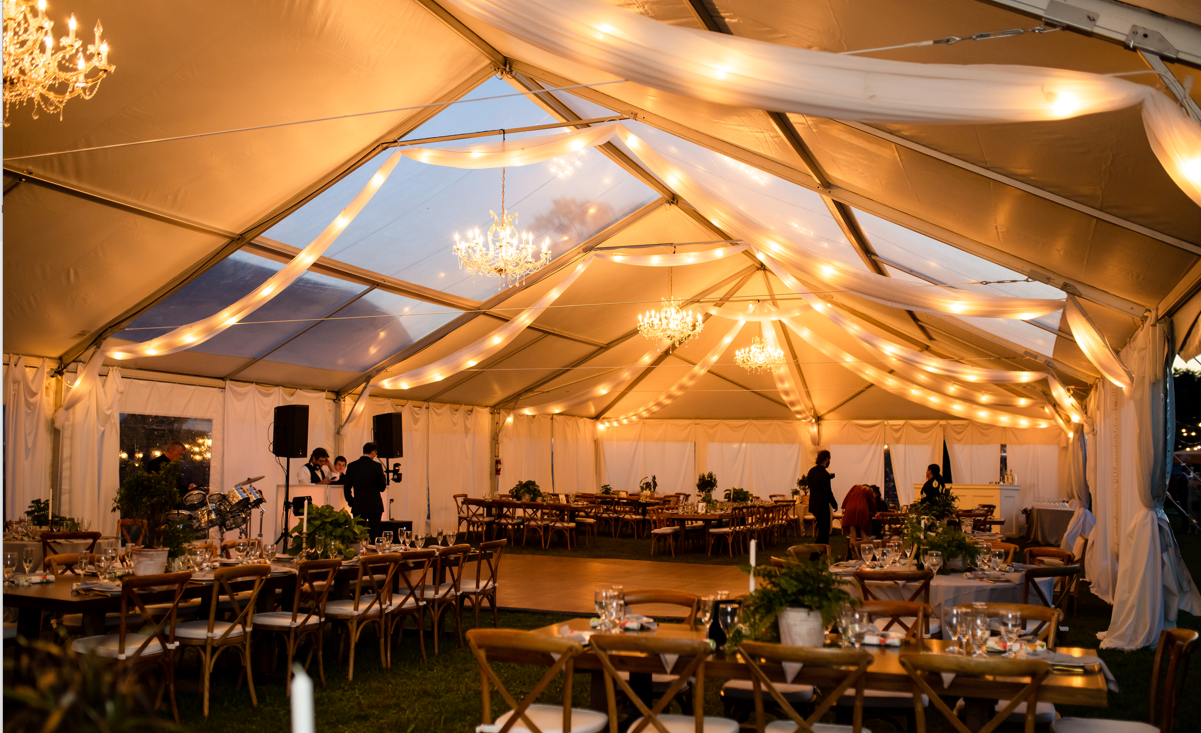
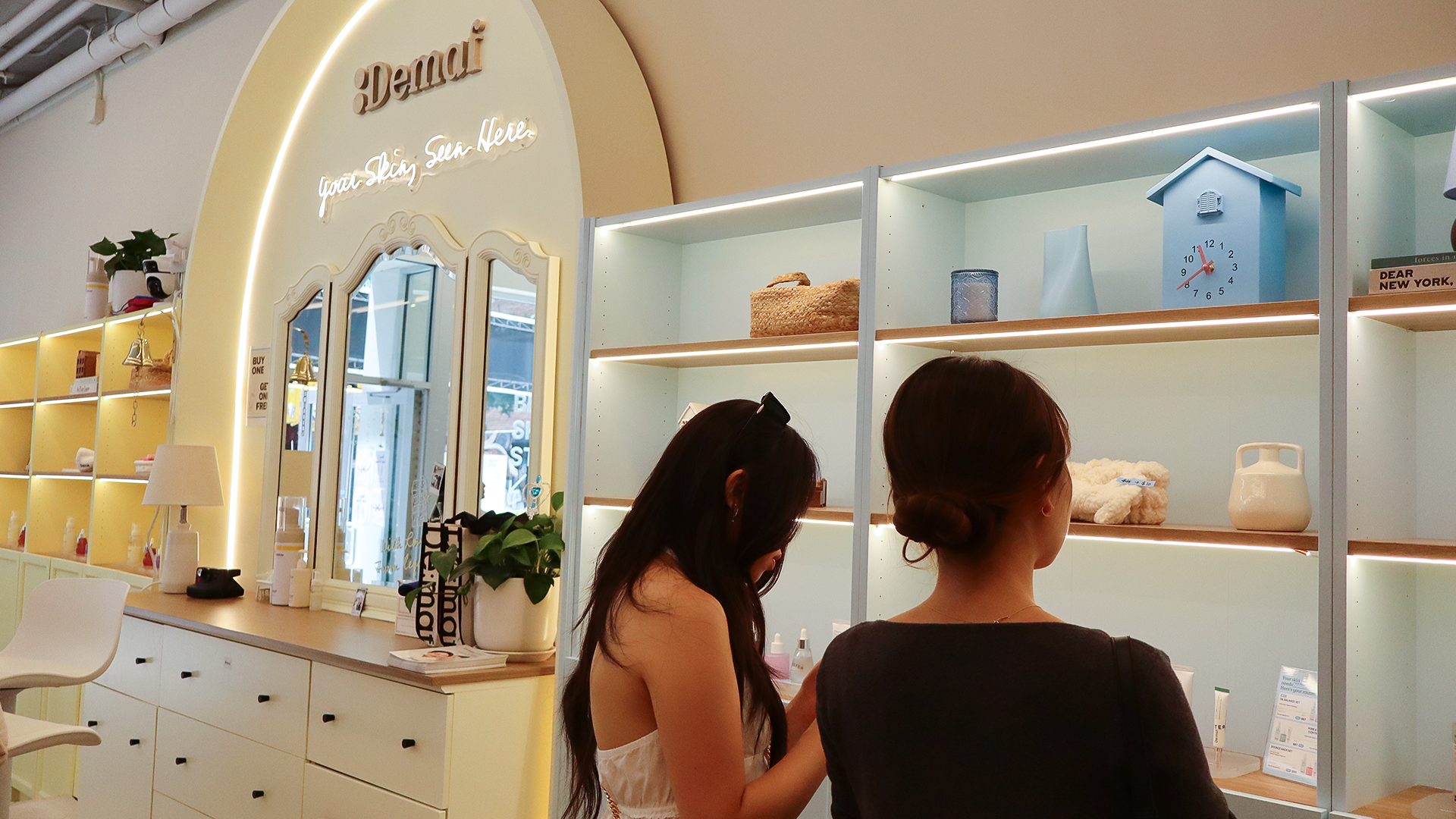
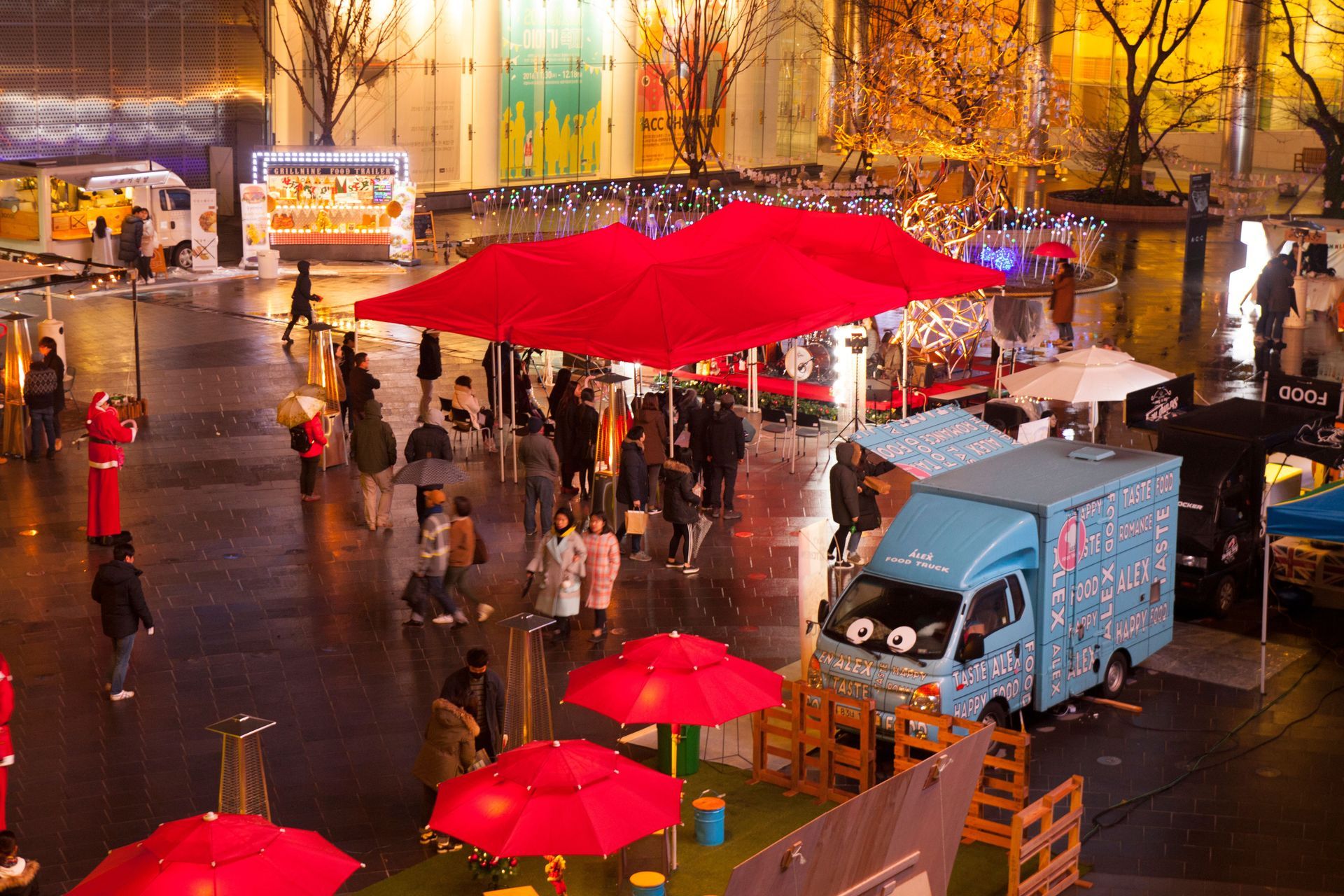
Specially designed immersive environments are continuing to grow in popularity, and they're becoming more advanced each year. Event teams are integrating lighting, LED screen visuals, projection mapping, and scenic elements to create settings that feel alive and emotionally resonant. These elements all come together to create a truly immersive experience that can be remembered long after your event has concluded. This is becoming increasingly common in corporate, collegiate, and brand events alike.
This growing trend places a premium on collaboration among teams. Scenic, AV, content, and design departments work best when they begin planning together at the earliest stages of creative development.
2. AI, Spatial Technology, and Smarter Event Tech
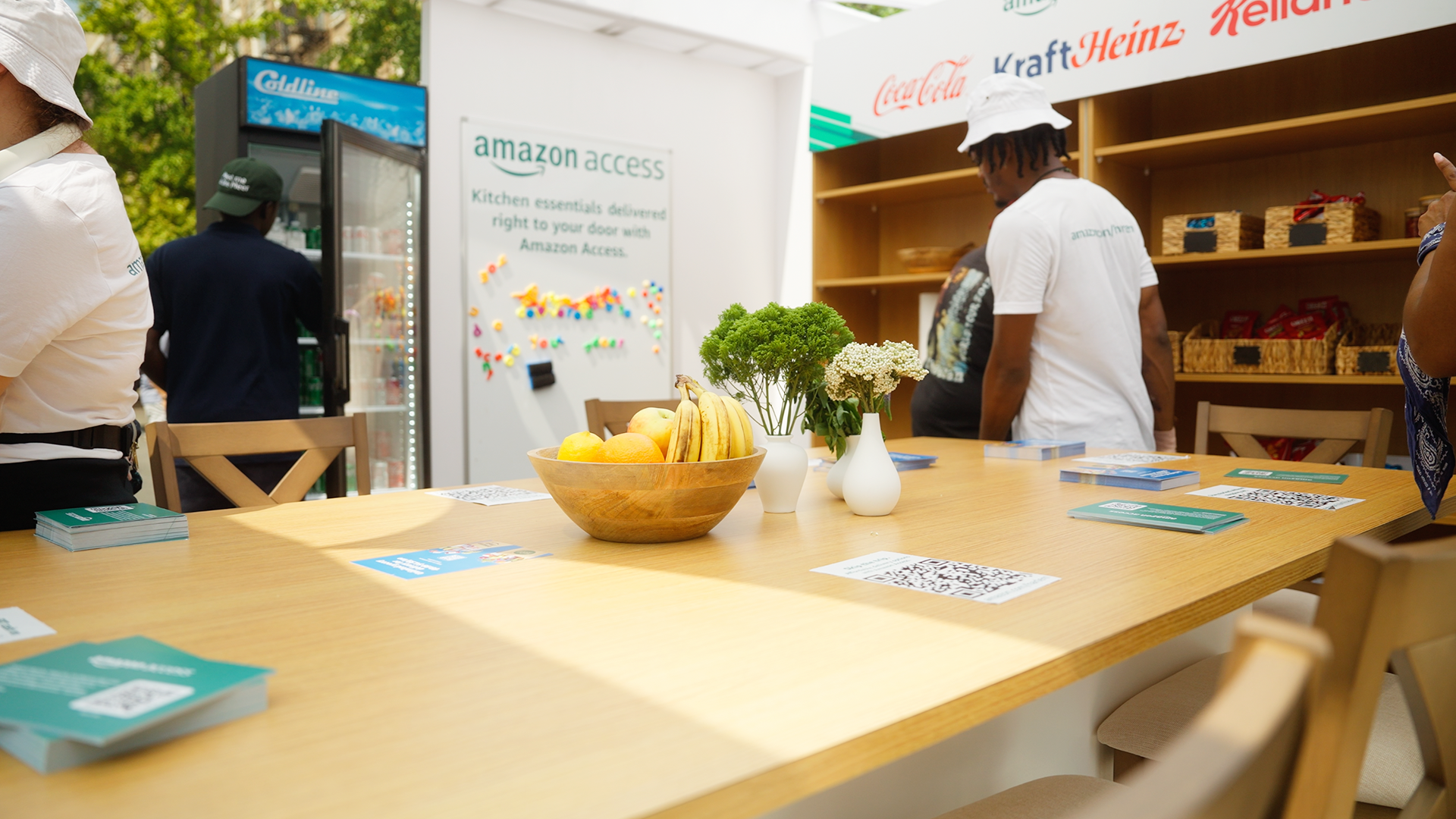
Technology is evolving rapidly, and in 2026 it is becoming a core part of how events are designed, operated, and experienced. Rather than being treated as add-ons, AI and spatial computing tools are now integrated throughout the full event lifecycle.
AI is being used by event teams to accelerate the early planning phases. Event producers can generate early visual concepts or ideas, conduct research, and optimize workflows. This saved time can be a great asset to get back to clients fast and efficiently. Many teams are also using AI-driven knowledge bases that compile run-of-show documents, staffing assignments, and tech sheets into easily searchable formats. This reduces time spent digging through emails and increases consistency across departments. It's important to note that while AI is a great tool, it still requires human oversight to ensure everything is accurate and meets the standards of your team.
On the attendee-facing side, AI personalization tools are powering dynamic signage, adaptive agendas, and recommender-based matchmaking for networking events. Some conferences are piloting systems that track session interest in real time and adjust room assignments or push notifications to better balance crowd flow.
Spatial technology is also playing a much larger role. AR wayfinding helps guests navigate large or complex venues without confusion. XR stages allow presenters to interact with virtual objects or environments that enhance storytelling. Some exhibitions are adopting mixed-reality demos that let attendees see products in action without requiring large-scale physical setups. These technologies raise engagement levels, reduce friction, and create memorable moments that stand out from traditional formats.
3. Branding as the Center of Event Design
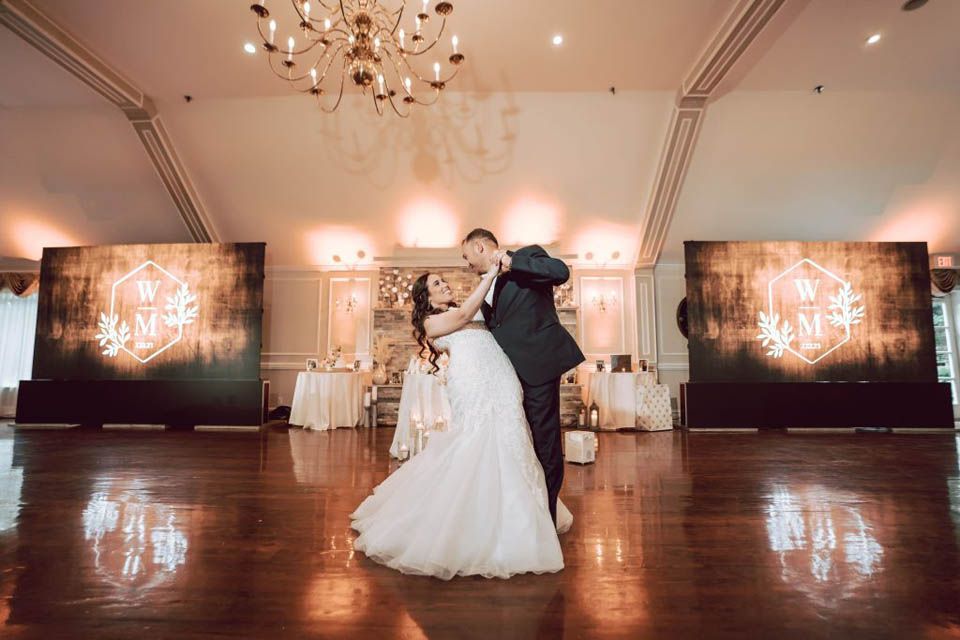
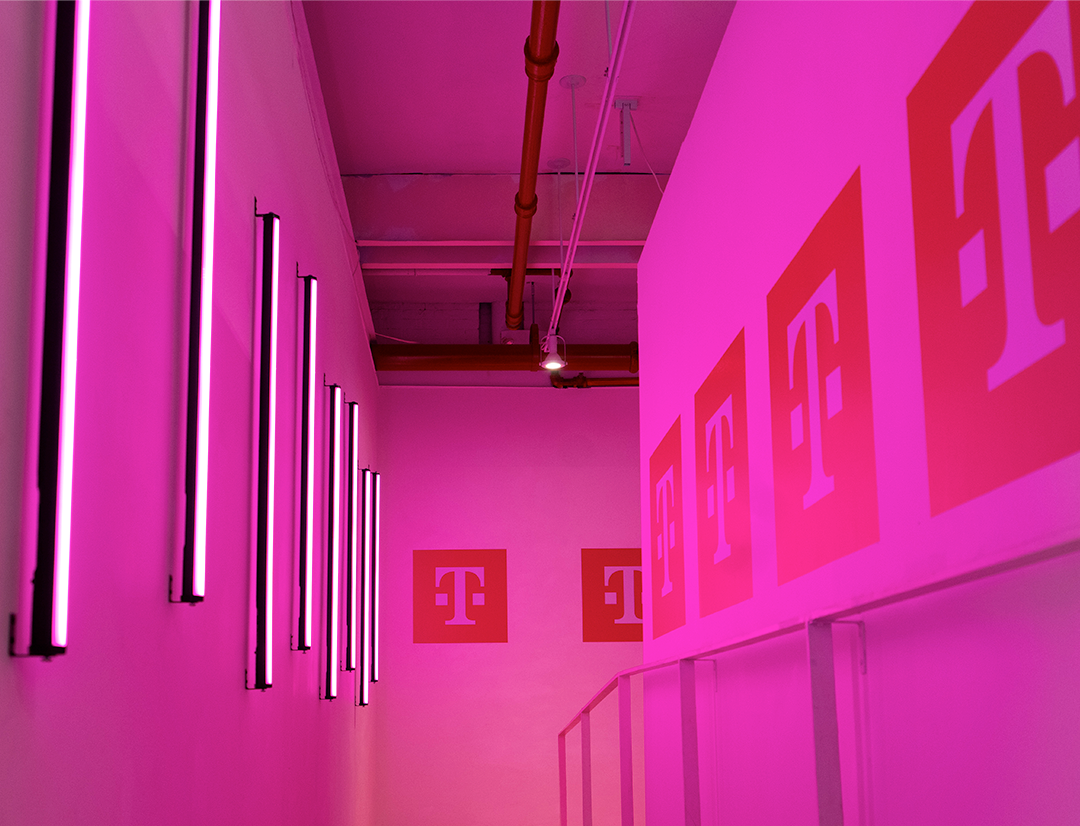
Branding has shifted from a decorative element to a foundational design principle. Instead of relying on logo placement alone, planners are integrating brand identity into lighting palettes, scenic shapes, floor graphics, stage architecture, interactive photo moments, and even the flow of movement through the space. The result is an environment that feels cohesive and intentional.
This approach strengthens storytelling and shapes the emotional tone of the event. It also increases memorability and aligns the physical experience with the client’s messaging and values.
Tip: Begin every creative meeting by reviewing the brand’s core themes and visual identity. Treat branding as the base layer for décor, scenic planning, and attendee experience.
4. Growth in The Experiential Through Gamification & Engaging Activities
In 2026, events are leaning heavily into engagement that goes beyond passive participation. Gamification and interactive experiences are becoming key tools to energize attendees, create social buzz, and foster meaningful connections. From themed challenges to on-site competitions, these elements are designed to make the event itself feel like an activity rather than a series of presentations. Attendees want to participate, not simply observe. This is driving a major rise in experience-based activities that bring energy and excitement into the room. Popular offerings include claw machines for distributing branded merchandise, themed mini-games, competition-style activations, live interactive entertainment, and photo or video experiences that encourage guests to be part of the action.
Events that include these interactive elements often see stronger social media engagement and higher satisfaction scores. These activities also help break up long agendas and create natural opportunities for connection and movement.
Tip: Allocate both time and physical space for interactive zones. Position these experiences along natural attendee pathways so guests encounter them organically without disrupting event flow.

5. Photo Opportunities Take Center Stage
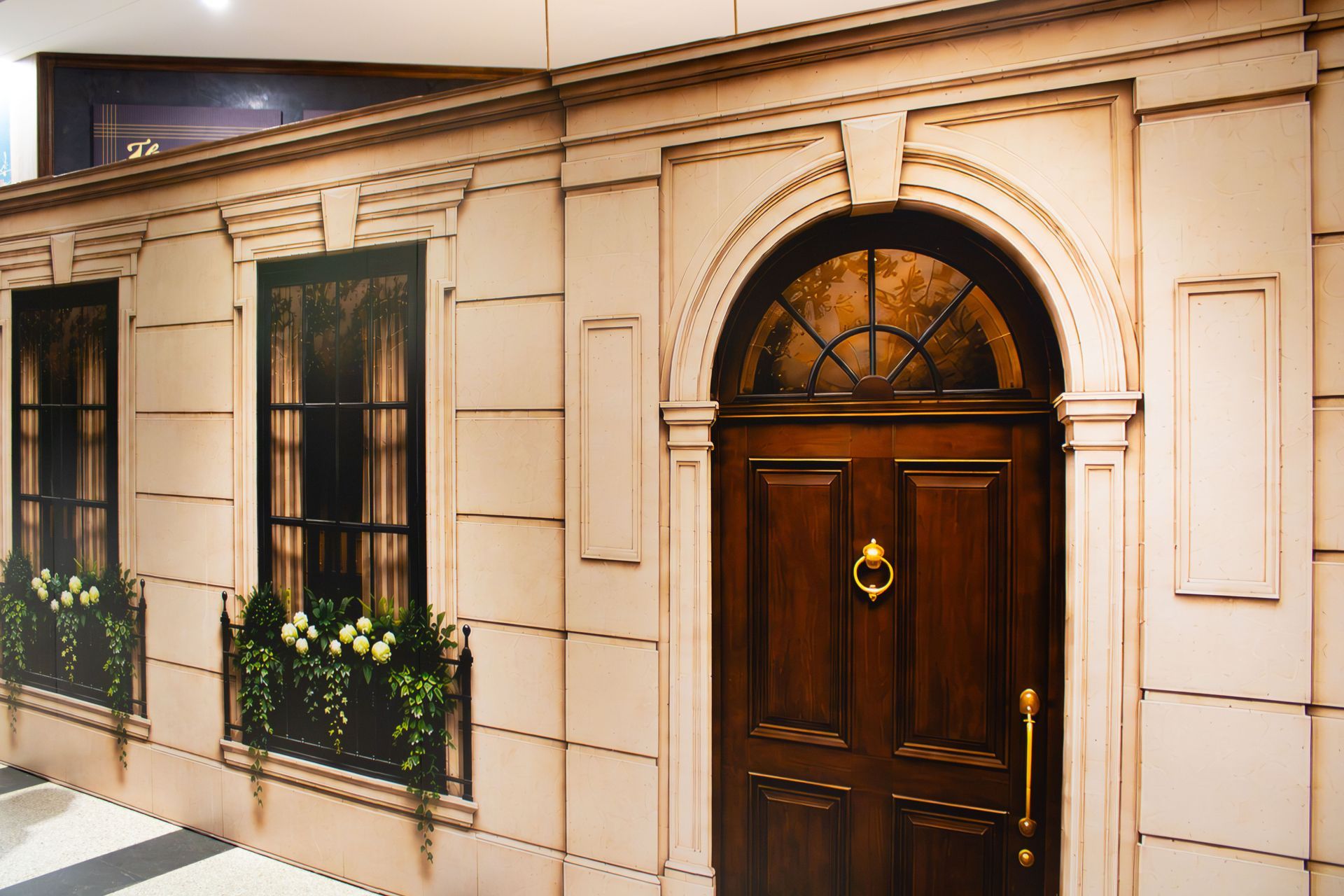
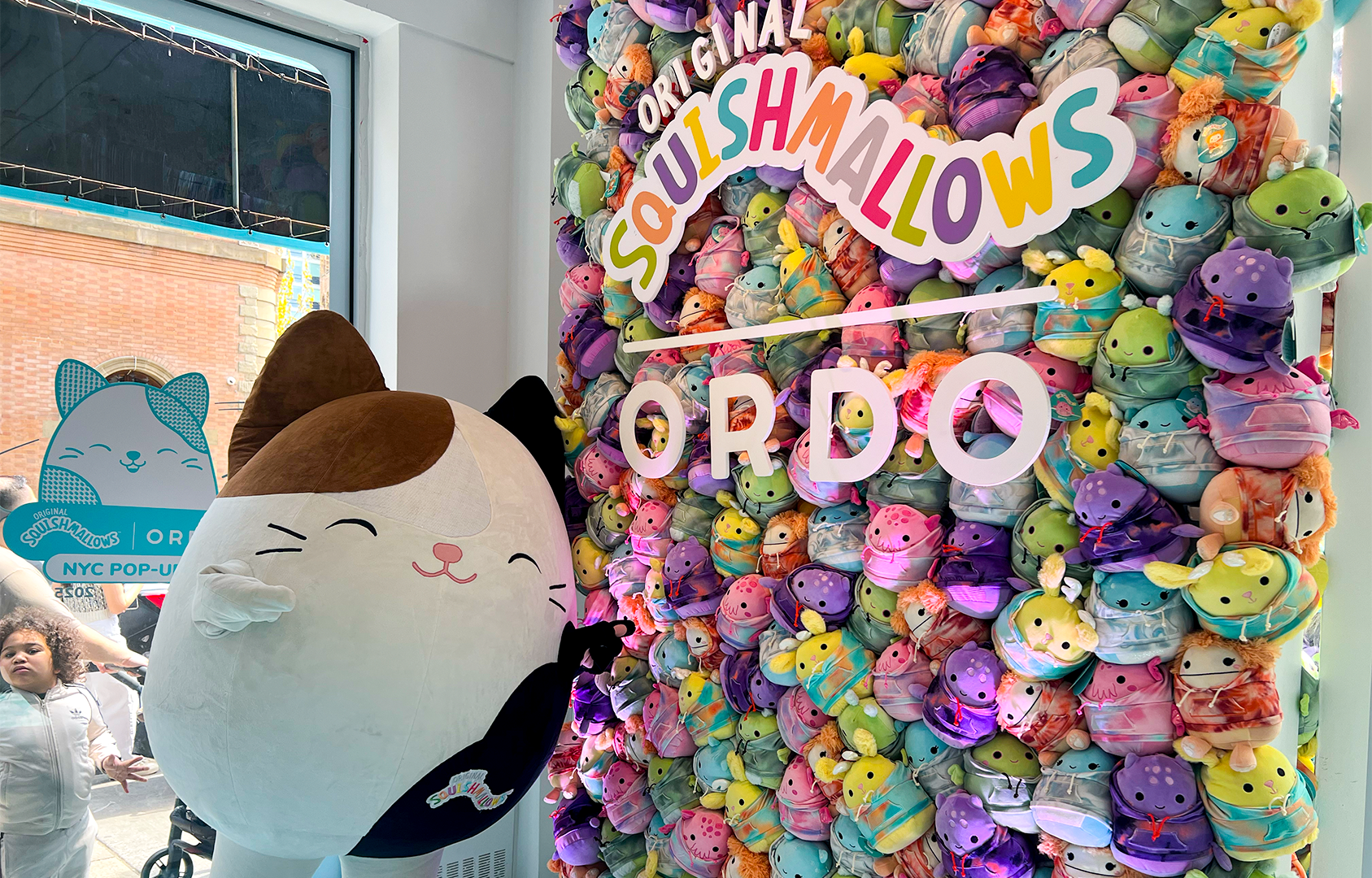
Events are creating moments that attendees want to capture and share. Sharable photo opportunities are no longer an afterthought, they are becoming central to the design and engagement strategy. From interactive installations to themed backdrops and immersive environments, photo ops give attendees a reason to explore, interact, and remember the event.
Planners are constantly designing Instagram-worthy activations such as oversized props, branded light walls, interactive sets, and playful installations that tie directly into the event theme or client brand. These experiences encourage social sharing, extend the event’s reach online, and increase attendee engagement in a way that passive experiences cannot.
Tip: Design photo activations with both impact and flow in mind. Make them visually striking, tied to the event theme or brand, and easy for attendees to engage with. Even the most creative setup still requires professional oversight to ensure safety, accessibility, and seamless integration into the event environment.
Key Takeaways
The events of 2026 are shaping up to be more immersive, interactive, and intentional than ever before. From full-sensory environments and AI-driven experiences to brand-focused design, gamified activities, and shareable photo activations, production teams have unprecedented tools to create memorable, meaningful moments for attendees.
Success in this evolving landscape comes from blending creativity, technology, and strategy by designing experiences that captivate, engage, and leave a lasting impression. By staying ahead of these trends, planners and production professionals can craft events that are not only visually striking but also deeply resonant for every guest.
For teams looking to bring these trends to life, careful planning, cross-disciplinary collaboration, and a thoughtful approach to interactivity and branding will be key. Keeping an eye on innovation while relying on experienced professionals ensures that every event reaches its full potential.
Enjoyed this article? Discover more on our Event Production Blog.